The iron grip Eurostar has held on the Channel Tunnel for three decades is finally under threat. Virgin Trains has secured regulatory clearance from the Office of Rail and Road (ORR) to run up to 20 daily return services between London St Pancras and major European hubs like Paris, Brussels, and Amsterdam. It sounds like a win for passengers tired of high fares and limited frequency. But look past the headlines, and you’ll see why this plan is less of a revolution and more of a colossal, expensive gamble.
The Monopoly Problem
If you’ve traveled from London to Paris recently, you know the pain. Prices are high, off-peak options are scarce, and you’re basically at the mercy of one operator. Eurostar, effectively a monopoly for thirty years, has set the tone for cross-Channel travel. When you have no competition, you have no incentive to innovate.
Virgin’s entry is supposed to change that. History shows us what happens when competition hits the rails. Look at Italy. When Italo entered the market to compete with Trenitalia, it didn't just split the existing passenger base. It grew the entire market. People stopped flying short-haul routes between Rome, Milan, and Naples because the train became faster, cheaper, and more reliable. Virgin is banking on a similar shift. If they can capture even a slice of the airline market, they might just survive.
Why It’s Actually a Massive Gamble
The regulatory green light is just the start. Getting permission to run trains isn’t the same as actually running them. Virgin faces three major roadblocks that could turn this venture into a money pit before the first train even departs.
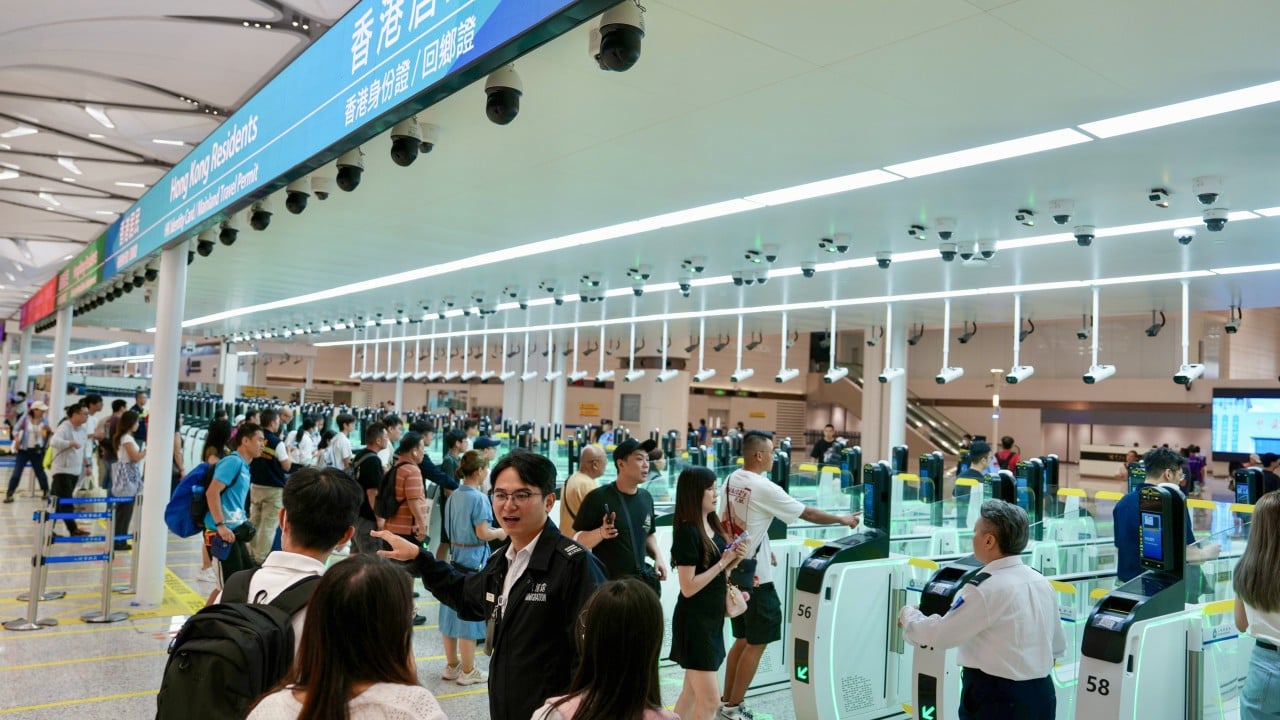
First, there's the infrastructure. St Pancras and Gare du Nord are already bursting at the seams. You’ve likely experienced the soul-crushing security queues that can stretch back toward the subway. The terminal spaces weren't designed for massive spikes in passenger volume. Redesigning these hubs to accommodate a second operator isn't just expensive; it's a logistical nightmare that involves authorities in two countries.
Then, there’s the hardware. Where are the trains? To run twenty daily services, you need a substantial fleet capable of handling the unique specifications of the Channel Tunnel. Buying these trains on spec is a risky financial play. If Virgin hasn't finalized the fleet, they're sinking capital into a dream that hasn't proven it can turn a profit.
Finally, security. The Channel Tunnel Security Order is incredibly restrictive. It dictates where trains can stop and how security must be handled. Unlike standard domestic rail travel where you breeze through a ticket gate, international rail is locked down tight. Unless these security protocols change, Virgin is essentially forced to copy Eurostar’s expensive, inefficient model.
Competition or Collision
We also have the Temple Mills depot battle. Last year, Virgin won the right to share this critical storage and maintenance facility, but don't expect Eurostar to just roll over. Temple Mills is the only facility accessible from High Speed 1. It’s going to be a battleground. Every bay, every track, and every maintenance slot is a potential source of friction. Eurostar will do everything possible to protect its turf, likely leading to years of regulatory bickering and legal challenges.
Then there’s the cost of entry. The tunnel access fees alone are massive, roughly £25 per passenger. That’s a significant chunk of your ticket price before you even account for power, staff, maintenance, and debt servicing. Can Virgin actually undercut Eurostar while paying the same exorbitant infrastructure fees? That's the billion-dollar question.
The Realistic Timeline
Don't expect to be booking a Virgin seat to Paris next week. The earliest we're looking at is 2030. That is an eternity in the rail industry. Technology changes, travel habits evolve, and economic conditions fluctuate. A lot can happen in five years. Virgin isn't just fighting Eurostar; they're fighting time, regulatory inertia, and the sheer difficulty of operating a cross-border rail service that feels more like an airline.
Is competition good for the passenger? Yes. Absolutely. We need more seats, more choice, and more price pressure. But I’m skeptical that Virgin, a brand known for being an operator-in-name-only, has the stomach for a decade-long slog through red tape and station upgrades.
What You Should Do
If you're a traveler hoping for cheaper tickets, keep your expectations in check for now. Competition is coming, but it won't be a light-switch moment.
- Watch the infrastructure progress: Keep an eye on reports regarding St Pancras and Gare du Nord upgrades. If you don't see shovels in the ground for terminal expansion, the 2030 target is likely a pipe dream.
- Track the fleet announcements: Until Virgin announces a firm order for high-speed trains that meet the tunnel safety requirements, treat the news of their "entry" as a marketing push rather than a operational reality.
- Monitor Eurostar’s response: Eurostar is already reacting. They're ordering double-deck trains and expanding their network. A defensive incumbent with deep pockets is a formidable opponent.
The promise of a new era of rail travel is enticing, but don't hold your breath just yet. The cross-Channel market is a tough, expensive, and legally complex space. Virgin has cleared the first hurdle, but they haven't even started the race.