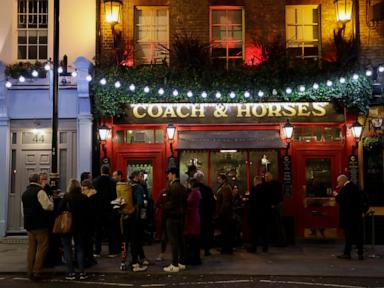
You can always count on local bureaucrats to take something people love and try to sanitize it out of existence. Westminster City Council recently decided that standing up while enjoying a pint is public enemy number one, proposing a draft licensing policy that targets what planners dryly call vertical drinking.
If you have ever squeezed into a crowded Soho pub on a Friday evening, you know what is actually happening. People aren't engineering a public nuisance. They are mingling, shouting over music, and participating in a centuries-old social ritual. Yet local authorities look at open bar space and see a liability problem rather than a community lifeline. Downing Street quickly stepped in to push back, declaring that busy pubs full of standing patrons represent standard British life rather than a municipal crisis.
The Real Cost of Sanitizing Nightlife
When councils push for table-service-only models and mandate seating to curb high-volume crowds, they fundamentally misunderstand how traditional pubs survive. Independent landlords are already drowning under punishing business rates, energy bills, and post-pandemic debt.
Lesley Lewis, who has run Soho's iconic French House for decades, pointed out the obvious flaw in these plans. Pubs rely on packed bars to generate the revenue needed to absorb soaring overhead costs. Stripping away open bar space and forcing venues into restaurant-style seating arrangements threatens to kill the casual trade that keeps these historic institutions afloat.
The math is simple. If customers cannot pop in for a quick pint because every table requires a reservation or a waiter, they simply stop dropping by.
Why Standing at the Bar Matters
Bureaucrats treat vertical drinking as a direct pipeline to excessive drunkenness. Regulars and hospitality experts view it entirely differently. Standing shoulder-to-shoulder at the bar creates a fluid, democratic space where strangers strike up spontaneous conversations.
You don't stay locked inside the bubble of the specific group you arrived with. You move, you chat, and you interact with your neighbors. Urban theorists have long argued that these casual micro-interactions form the glue of a healthy neighborhood. Take away the ability to stand freely with a drink, and you turn a vibrant community hub into a sterile corporate lounge.
Even as council leaders backtrack and claim their guidelines were misinterpreted, the underlying hostility toward bustling nightlife remains obvious.
Where the Policy Goes From Here
The public consultation window for these contentious licensing rules has sparked an aggressive pushback from politicians, trade bodies, and everyday pub-goers alike. The central government is moving to grant the Mayor of London new oversight powers to block restrictive municipal overreach.
If you care about preserving the chaotic, messy, and deeply social fabric of urban nightlife, keep an eye on how these local planning battles play out. Support your local independent pubs, squeeze past the crowd to order at the counter, and refuse to let bureaucrats turn every neighborhood local into a seated cafe.