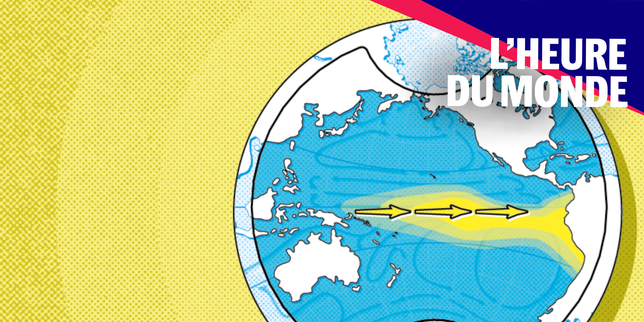
The Pacific Ocean is currently boiling over, and most people have no idea what that means for their grocery bills next spring. When trade winds weaken and warm water sloshes eastward across the equator, the entire planet feels the shockwave. We aren't just talking about a minor shift in seasonal temperatures. We are staring down a climate beast that alters jet streams, starves crop yields, and pushes ecosystems past their breaking points.
If you think this is just another standard weather blip, you're missing the bigger picture. Let's look at what's actually happening beneath the surface.
Why This Cycle Hits Different
El Nino isn't a new invention. Peruvian fishermen named the phenomenon centuries ago when warm Christmas waters ruined their catch. But today's reality is far more extreme than historical averages. The baseline temperature of the ocean has risen steadily due to human-driven carbon emissions. When a natural climate cycle slams into an already overheated planet, the results are explosive.
Think of it like adding heavy fertilizer to a weed patch. The underlying mechanics of the El Nino-Southern Oscillation (ENSO) remain the same, but the energy driving them is unprecedented. Scientists monitoring sea surface temperatures in the central and eastern tropical Pacific have recorded anomalies reaching extreme highs. Water temperatures aren't just warm; they are charting territory that leaves veteran meteorologists speechless.
The core mechanism is simple physics on a massive scale. Normally, strong trade winds push warm water toward Asia and Australia, allowing cold, nutrient-rich water to well up off the coast of South America. During an El Nino event, those winds stall or reverse. Warm water floods the eastern Pacific, choking off nutrients and shifting global rainfall patterns thousands of miles away.
The Global Domino Effect
You live thousands of miles from the equator, so why should you care? Because the atmosphere operates as a single interconnected system. When the tropical Pacific dumps massive amounts of heat into the air, it alters the path of the jet stream.
Dry regions get hammered with torrential floods while wet regions dry into tinderboxes. Look at what happens to the agricultural belt when this cycle peaks.
- The Amazon Rainforest faces severe drought conditions, elevating wildfire risks that threaten the world's largest carbon sink.
- Indonesia and parts of Southeast Asia experience parched landscapes, driving up global prices for palm oil, coffee, and rubber.
- The Indian Monsoon frequently weakens under these conditions, threatening the food security of over a billion people who rely on predictable summer rains for staple crops.
Meanwhile, parts of North America experience completely flipped winters. Northern regions stay unusually mild and dry, while southern states get soaked by relentless storms. It's a logistical nightmare for emergency planners, agricultural boards, and energy grids trying to anticipate peak demand.
Breaking Down the Misconceptions
People love to blame every single heatwave or weird storm on El Nino, but that's lazy thinking. El Nino is a periodic phase that alternates with its cooler sibling, La Niña, and neutral periods, usually cycling every two to seven years. It doesn't cause global warming on its own; it redistributes existing heat between the oceans and the atmosphere.
Another common myth is that we can accurately predict the exact severity of every impact months in advance. While computer models have gotten significantly better since the terrifying surprise of the 1982-83 event, ocean-atmosphere coupling is chaotic. Small shifts in wind velocity or interacting phenomena like the Indian Ocean Dipole can completely alter the trajectory of regional weather.
We are currently operating in uncharted waters. When the ocean surface temperature anomalies peak, the downstream effects on global food inflation and water scarcity will ripple through local economies faster than supply chains can adapt.
Stop waiting for the weather report to tell you when to care. Pay attention to how global commodity markets react to prolonged droughts in South America and failed monsoons in Asia, because your household budget is about to feel the squeeze. Adjust your emergency preparedness, support sustainable local food networks, and stop treating climate anomalies as distant news stories. The monster is already at the door.
This video is relevant because it provides a visual breakdown of how the Pacific Ocean's El Niño cycle functions and drives global extreme weather events.
http://googleusercontent.com/youtube_content/1