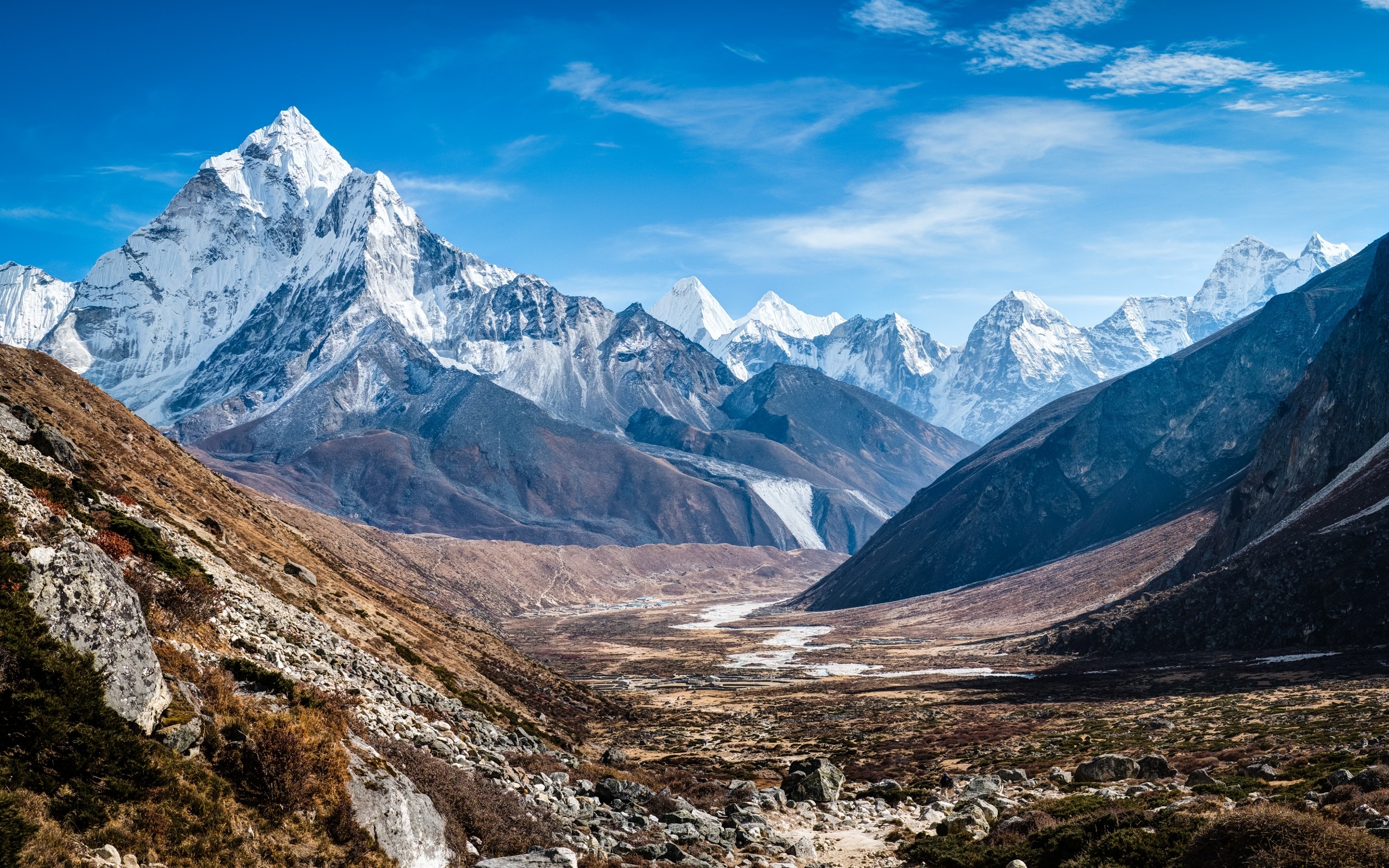
A sudden snowslide at the base camp of Himlung Himal in Nepal's Manang district has turned deadly, pushing the confirmed death toll to four while rescue teams race against time to locate survivors. The disaster hit high-altitude mountaineering camps amid days of relentless adverse weather fueled by a powerful regional weather system.
When severe weather warnings hit the region last week, many climbing groups scrambled to evacuate the slopes of the 7,126-meter peak. Yet, some stayed behind, caught in a window of high risk. The Nepal National Mountain Guide Association (NNMGA) confirmed that bodies recovered from the site include Chhebi Bhote, Pasang Bhote, Birendra Gurung, and Ghan Shyam Rai. As search crews battle harsh conditions, up to a dozen people still remain missing under tons of compressed snow.
The Reality of High-Altitude Rescues in Manang
Mountaineering at 7,126 meters is never forgiving. Himlung Himal demands specialized logistics, including strict permits for helicopter access in the remote Manang district. When an avalanche strikes an isolated base camp, every minute counts, but nature often dictates the timeline.
Rescue coordinators report that teams can only push forward for brief windows of three to four hours daily, provided weather windows hold. Heavy snowfall, triggered by a stubborn weather pattern over the Bay of Bengal, blankets the terrain and creates secondary avalanche risks for the very people trying to save lives. It's a brutal environment where experienced mountain guides risk everything to clear debris and probe frozen slopes.
Warning Signs and Evacuation Dilemmas
Why do climbers stay when warnings flash? Experienced mountaineers know that autumn ascent windows are notoriously narrow. Expedition organizers and rope-fixing teams often pull back the moment heavy snowfall persists, but individual decisions vary. Some teams hope for a sudden break in the clouds, staying anchored to base camps even as regional authorities urge absolute suspension of trekking and climbing.
This disaster doesn't happen in a vacuum. Nepal's topography has taken a severe beating from erratic weather patterns lately. Heavy rains and torrential downpours across the country have triggered widespread landslides and floods, blocking vital transport routes and displacing hundreds of families. When mountain regions experience unseasonal heavy snowfall simultaneously, the entire disaster response network gets stretched to its absolute breaking point.
What Needs to Happen Next
If you're tracking Himalayan expeditions or planning high-altitude climbs, safety protocols require immediate re-evaluation.
- Obey early weather advisories immediately, even if skies look clear locally.
- Ensure satellite communication links remain active at base camps to receive real-time meteorological updates from lowland stations.
- Support local mountain guide associations like the NNMGA that put boots on the ground when disaster strikes.
Search operations on Himlung Himal will continue until every missing climber is accounted for, though shrinking weather windows complicate every hour on the mountain.