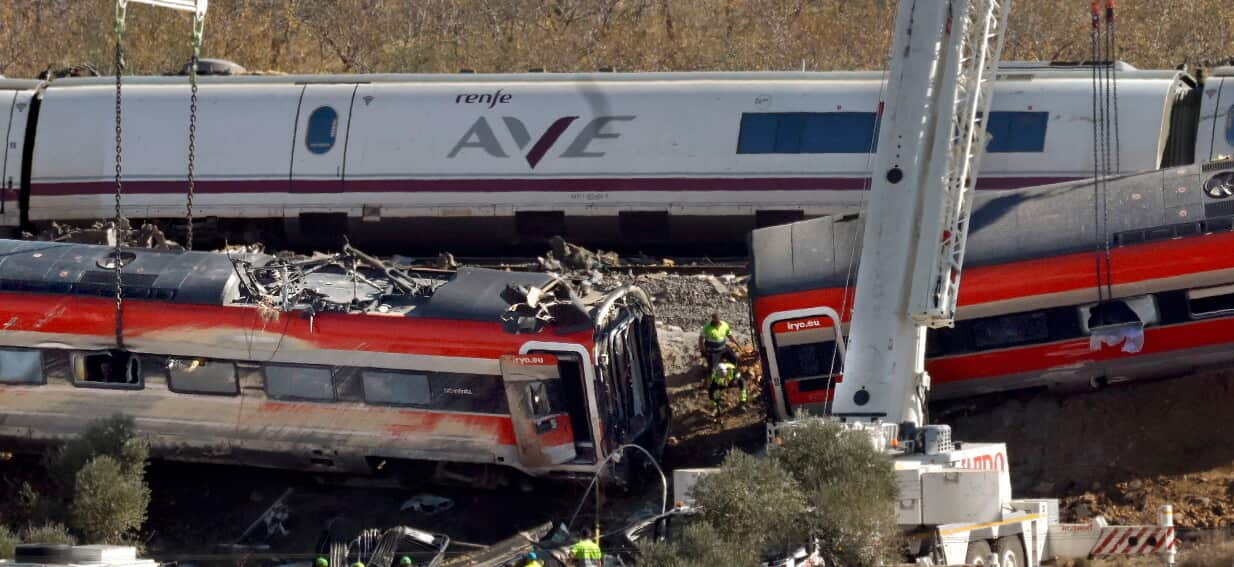
Two Australians are confirmed among the 69 people killed in the catastrophic high-speed train collision in Spain, shining a harsh spotlight on systemic rail failures and control center protocols. The disaster, which occurred on October 28 near the town of Urda roughly 130 kilometres south of Madrid, marks one of the darkest moments in modern European transport history and has left families demanding answers.
The Anatomy of a Tragedy
The horrific crash unfolded when a state-operated Renfe high-speed service plowed directly into the rear of a stationary train operated by private firm Iryo. More than 500 passengers were on board, and the impact force tore through carriages, leaving nearly 200 injured alongside the 69 fatalities.
Local authorities and forensic pathologists spent days identifying the victims, confirming that the dead included 54 Spanish nationals and 15 foreign citizens from ten different countries, including two Australians, four Americans, two Japanese, and individuals from Argentina, Canada, France, Mexico, Portugal, Tunisia, and the Czech Republic.
Australia's Department of Foreign Affairs and Trade (DFAT) stepped in immediately, providing consular assistance to the grieving families of the two Australians, while keeping identities private out of respect.
Control Room Blunders and Faulty Safety Systems
Public outrage flared almost immediately after leaked audio recordings from control center interactions surfaced in Spanish media. Those transcripts and recordings proved that a faulty automated safety system had previously halted all traffic on a 63-kilometre stretch of the line.
While other trains were kept safely stationary, the control center inexplicably ordered the Renfe service to resume its journey while the Iryo train remained stranded on the tracks ahead. It wasn't just a technical glitch; it was a catastrophic human error compounded by infrastructure failure.
This accident is Spain's second major high-speed rail disaster of the year, following an earlier crash in January in the southern region of Andalusia that claimed 46 lives. Having two mass-casualty rail incidents inside twelve months shatters the illusion of safety that passengers on high-speed rail networks usually take for granted.
The Global Aftermath and Demands for Accountability
Transport experts and international safety bodies are questioning how modern signaling architecture could allow a high-speed train to smash into a stationary target on a straight stretch of track. Rail automation is supposed to override human oversight precisely to prevent these kinds of blind spots.
For Australia, the tragedy hits close to home, reviving painful conversations about citizen safety abroad when infrastructure fails overseas. Federal lawmakers in Australia expressed deep shock over the footage broadcast globally, noting that communities never truly recover from sudden transport disasters.
Spanish authorities face intense political and legal pressure to overhaul monitoring protocols across all state and private networks. Until transparency replaces bureaucratic defensiveness, travelers stepping onto fast trains across Europe will carry the lingering weight of what happened outside Urda.
Deadly Train crash in Spain | Morning News Bulletin 29 October 2026
This news broadcast provides an early morning update detailing the immediate aftermath and government response following the high-speed train collision in Spain.