Twenty-six nations just signed a joint statement condemning Iran's systematic execution of anti-regime demonstrators. France, the UK, and Canada lead the charge, demanding an immediate halt to the bloodshed.
Nothing will change.
Diplomatic warnings look great on paper. They sound tough during morning news broadcasts. But inside Tehran, the clerical establishment views international outrage as background noise. Since the outbreak of regional military conflicts earlier this year, the Iranian judiciary has accelerated its machinery of death, turning courtrooms into assembly lines for capital punishment.
The Anatomy of State Terror
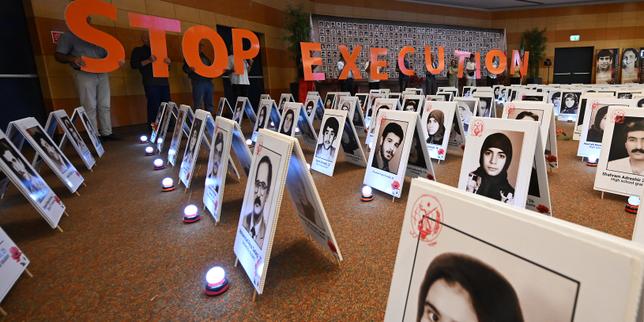
Let's look at what's actually happening on the ground. The Iranian government doesn't just execute people quietly behind prison walls anymore. They have turned back the clock to public hangings, stringing up young protesters in city squares to send an unmistakable message.
Take the recent cases documented by human rights monitors. Protesters arrested during winter demonstrations face rushed trials behind closed doors. These aren't trials in any recognizable legal sense. They rely on forced confessions extracted under brutal torture. Charges like "enmity against God" or vague national security violations get slapped onto anyone who dared challenge the status quo.
When groups like Amnesty International or the United Nations raise the alarm about dozens of pending executions, Tehran simply doubles down.
Why the West Keeps Missing the Mark
Western foreign ministries love a strongly worded letter. It's the default setting of modern diplomacy. You draft a text, get twenty-six or thirty countries to sign it, and issue a stern warning about human rights violations.
It fails because the Iranian regime operates under a completely different survival calculus.
- The ruling elite believes compromise equals collapse.
- Showing mercy to dissidents is interpreted as weakness from the top down.
- Regional conflict provides the ultimate smokescreen for domestic repression.
While global attention remains fixated on cross-border military exchanges, the internal front lines are just as bloody. The regime uses external threats to justify internal crackdowns, branding civil disobedience as treason or foreign espionage. Every time a Western ambassador expresses deep concern, the Revolutionary Guard tightens the noose.
The Real Cost of Silence
We need to talk about why these joint declarations ring hollow to the people risking their lives on Iranian streets. Condemnations without consequences are empty gestures.
If governments truly want to pressure Tehran, symbolic letters won't cut it. Real economic isolation, targeted asset freezes against judges handing down death sentences, and the total expulsion of diplomatic missions would signal actual intent. Instead, the international community settles for the lowest common denominator of action.
The twenty-six nations demand that Tehran listen to the voice of its own people. The regime hears them loud and clear. They just don't care.
Look past the diplomatic rhetoric. The executions continue, the trials remain a sham, and the window for effective international intervention closes a little more every single day. Stop expecting a letter to stop a firing squad.