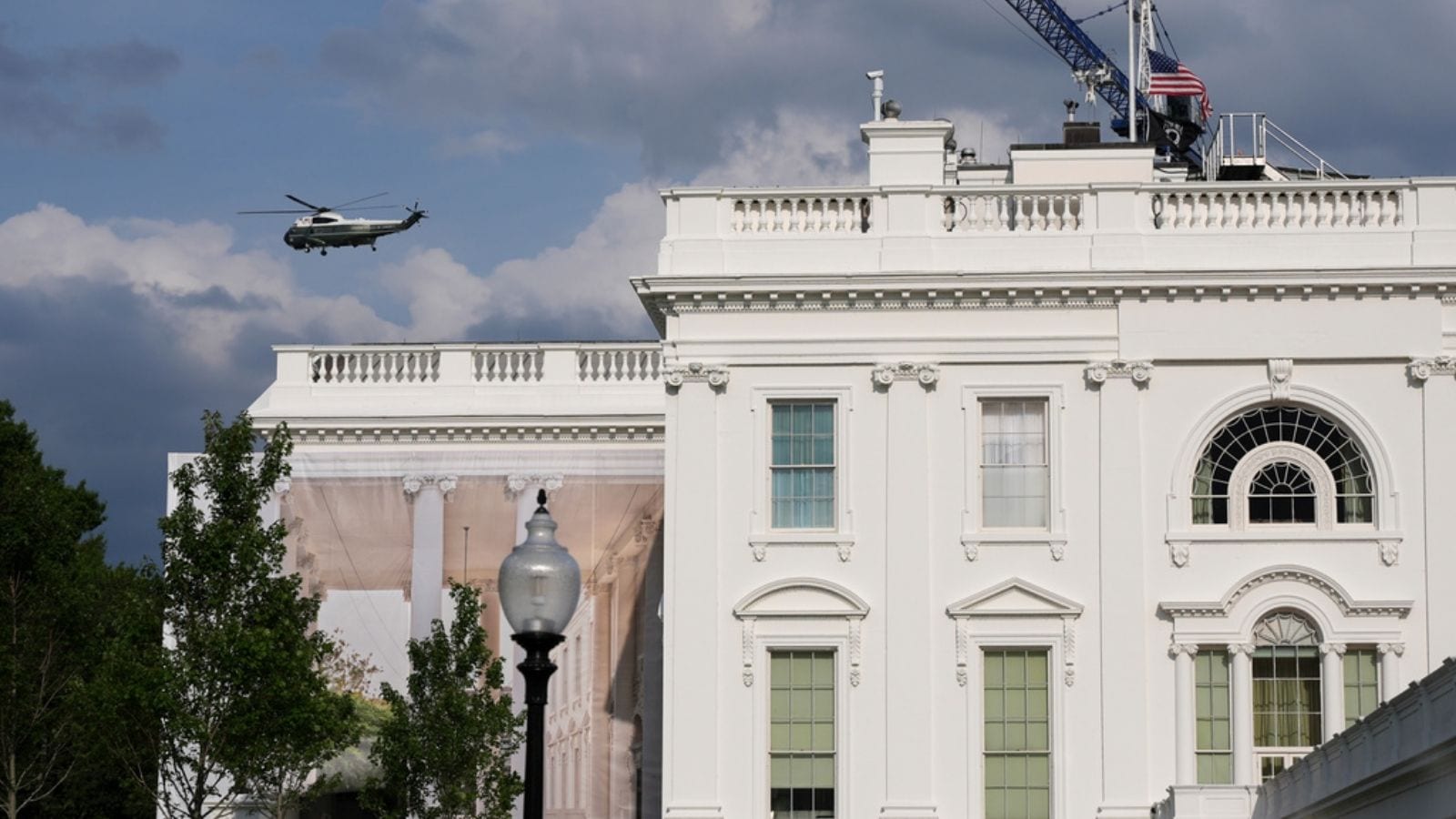
When three major news organizations woke up to deactivated badges and locked gates at the White House, it wasn't just another political squabble. It was a direct collision between executive power and constitutional law. President Donald Trump's administration drew a hard line, defending the removal of journalists from CNN, MS NOW, and Politico by declaring that press credentials are a privilege rather than an absolute right.
If you think this is just standard political theater, look closer at the legal mechanics. Courts have walked this path before. During Trump's first term, successful lawsuits restored press credentials for individual reporters like Jim Acosta and Brian Karem. History repeats itself quickly in Washington, but the stakes this time feel sharper.
The Core Argument Behind the Ban
The administration didn't hide its motives. Officials argued publicly that while the First Amendment protects the right to publish, it doesn't guarantee a hard pass, a seat in the briefing room, or a spot in the rotating press pool. The official stance is straightforward: the government gets to decide who receives administrative accommodation on federal property.
Critics and the affected networks call it something else entirely. Viewpoint discrimination.
When the White House blocks specific outlets because it dislikes their editorial tone or labels their output as fiction, legal experts point out that the government crosses a constitutional line. You can't penalize news organizations for protected speech by pulling their physical access to public officials without due process. That is the exact argument driving the joint lawsuit filed by CNN, MS NOW, and Politico.
Real Consequences for Daily Reporting
Access isn't about luxury office space on the estate. It is about logistics.
When CNN was stripped of its pool duties, the impact rippled across the entire media ecosystem. The television pool exists to share video footage of presidential movements with every newsroom in the country. By freezing out a designated network, the administration effectively halted standard pool broadcasts for certain events. Reporters from the banned outlets found themselves broadcasting from street corners outside the complex instead of tracking developments from the WHCA briefing room.
This creates a chilling effect. If three major players can lose credentials overnight, smaller outlets notice. Self-censorship creeps in when desks worry about losing the proximity required to hold power accountable.
What Happens Next in the Courts
The legal strategy from the media coalition focuses on emergency relief. They filed for a temporary restraining order to force the administration to hand back the badges immediately while the broader First Amendment lawsuit works its way through the federal court system.
Past precedent favors the press on narrow procedural grounds, but every administration tests the boundaries of executive discretion differently. Watch how federal judges handle the balance between private property management of executive grounds and public forum doctrines. The outcome will redefine how modern administrations manage the journalists covering them.
Read the court filings, track the emergency injunction decisions, and look past the rhetoric to see how federal guidelines shift under pressure.