When a wildfire swallows thousands of acres of timber, the standard narrative expects total ecological devastation. People look at ash-covered ground and assume the ecosystem is broken beyond repair. But nature operates on a different timeline, especially in places built to burn.
In April, the Cow Creek wildfire tore through roughly 2,400 acres of Florida's Goethe State Forest in Levy County. Fueled by a severe drought that deprived the region of typical rainfall, the flames consumed an area nearly three times the size of New York City's Central Park. Fire departments scrambled, helicopters dropped water on the hottest fronts, and the landscape was left coated in moon-grey ash.
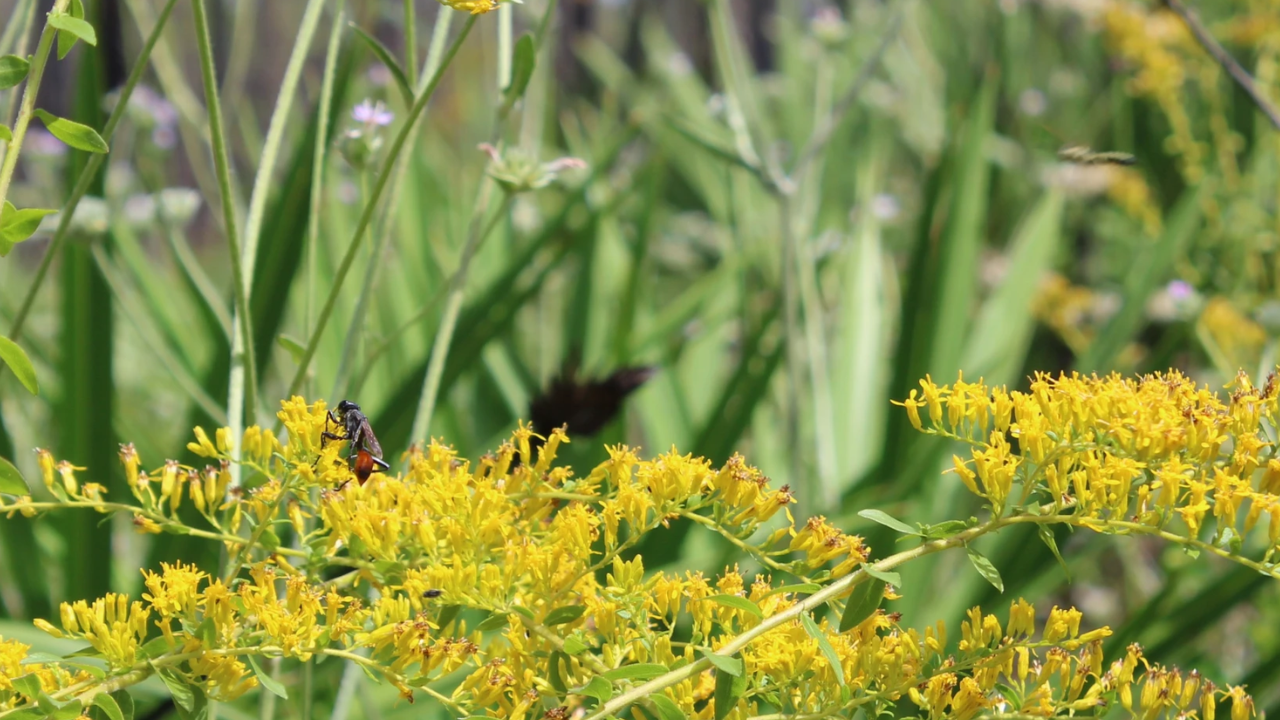
Yet, within a few short months, that apocalyptic visual vanished. Bright yellow wildflowers, goldenrod, and surging saw palmettos broke through the charred soil, drawing bees, butterflies, and dragonflies back in massive numbers.
Why Fire Recovery Happens So Fast
You might wonder how a forest bounces back from such intense heat so quickly. The secret lies beneath the surface. Many plants native to Florida pine ecosystems have evolved alongside fire for thousands of years.
Take the saw palmetto, a tough, prehistoric-looking plant common in these regions. While surface fronds and stems get scorched black, the vital root systems and underground stems stay shielded by moist sandy soil. Weeks after the Cow Creek fire passed, new green fronds were already pushing up through charred remnants.
Forest service personnel and university researchers noted an absolute explosion of biodiversity once the growing season kicked into gear. Fire acts as an ecological reset button. It clears out dense overgrowth, opens up bare patches of soil, and floods the forest floor with sunlight.
The Pollinator Boom
The return of plant life triggers an immediate chain reaction for local wildlife. Ground-nesting bees, wasps, and other insects find ideal conditions in freshly exposed soil. Without thick vegetation blocking the way, newly sprouted wildflowers produce abundant blooms that stand out clearly to passing pollinators.
By late summer, wood-boring beetles, butterflies, and dragonflies blanketed the recovering acreage. This rapid insect return proves that natural disturbances often create temporary resource booms rather than permanent deserts.
Of course, not every acre was left untouched by human intervention. Following the blaze, forestry crews conducted salvage logging across roughly 750 acres of dead pine trees. Crews purposefully left specific pockets of standing deadwood intact to protect nesting habitats for endangered red-cockaded woodpeckers.
Living with Fire-Dependent Landscapes
Managing public safety while respecting natural ecology requires a delicate balance. Land managers across the state rely on prescribed burns to clear out heavy fuel loads before an uncontrolled wildfire can take hold. Controlled burning prevents the build-up of dry brush that turns standard lightning strikes into massive infernos.
If you own property near a forested area, understanding how fire shapes local flora changes how you view risk management. Implementing fire-safe landscaping and maintaining defensible space around structures protects your home without requiring you to view every spark as an unmitigated disaster.
Destruction and renewal are two sides of the same coin in Florida's wild spaces. Next time you see news of a forest fire, look past the initial smoke and remember the underground resilience waiting underneath.
For a closer look at how resilient ecosystems recover after major fires, watch this Florida wildfire habitat recovery overview. This video highlights the rapid environmental bounce-back and the critical role native species play following severe burns.
http://googleusercontent.com/youtube_content/1