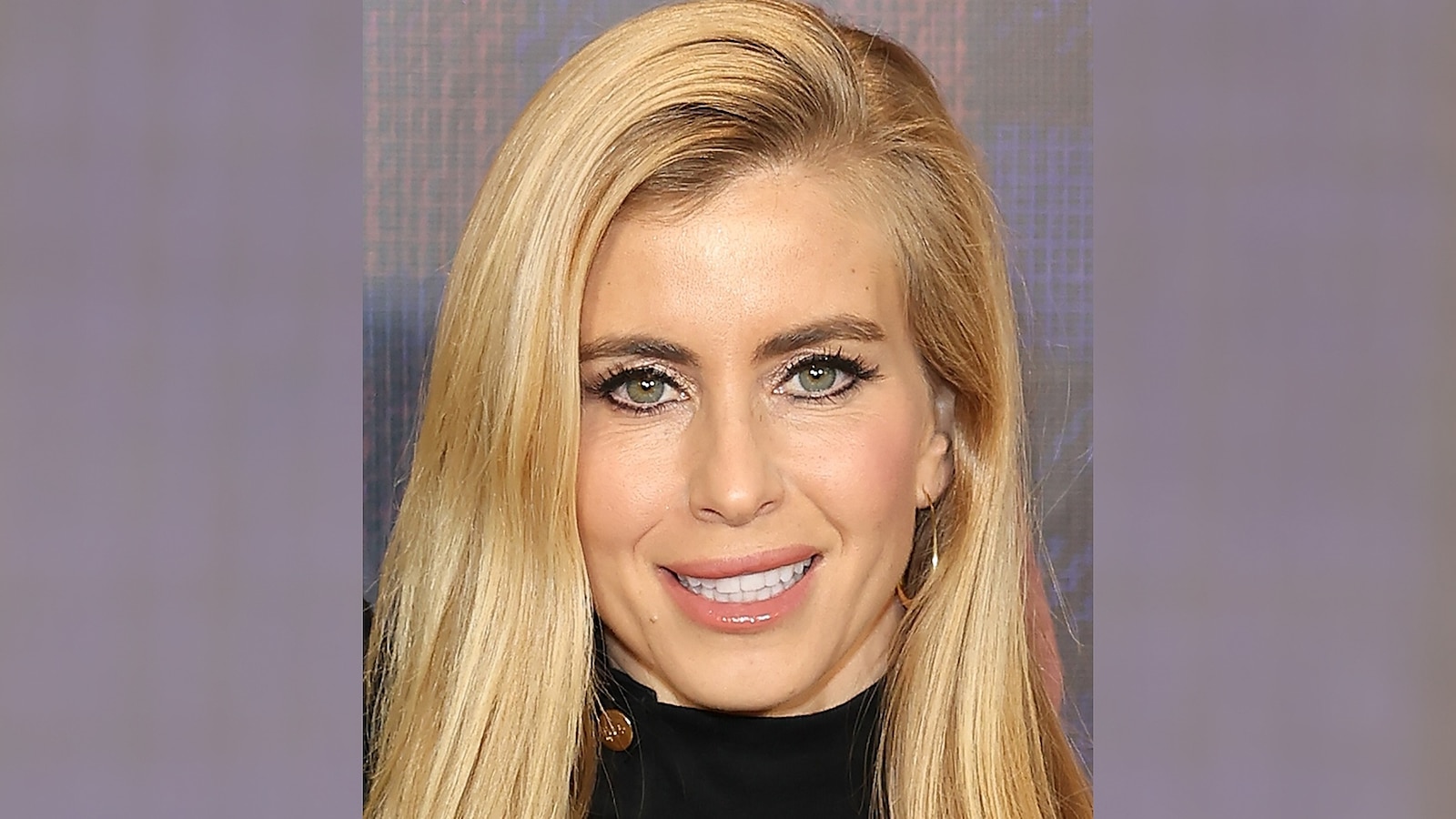
Some artists spend decades polishing their image, wrapping every lyric in radio-friendly cellophane so nobody gets uncomfortable. Wynonna Judd took the opposite route. With her latest studio record, The Hard Truth, released via ANTI- Records, the country legend isn't looking for a polite nod or a safe spot on the charts. She’s stripping away the armor. This project marks her first solo studio album in a full decade, recorded right out of her studio in Leiper's Fork, Tennessee, alongside producer and husband Cactus Moser.
If you think you know Wynonna from her days dominating country radio as one-half of The Judds alongside her late mother, Naomi Judd, this record will throw you for a loop. It's raw, it's gritty, and it refuses to offer easy answers to messy questions.
Confronting Decades of Family Trauma
When artists talk about vulnerability, they usually mean writing a breakup song or hinting at a rocky childhood. Wynonna goes much deeper. The Hard Truth serves as an audio diary processing monumental grief, hidden history, and the staggering weight of expectation.
The emotional gravity of the record becomes clear when you look at what she's survived over the last few years. Following the tragic death of her mother, Naomi, in 2022, Wynonna didn't retreat into silence. Instead, she leaned into the studio. But the trauma driving this music stretches back much further. In adulthood, Wynonna discovered that the man she grew up calling dad was not her biological father—a massive family secret kept from her until she was thirty years old.
On tracks like "Girl Who Could Sing" and "All Downhill From Ashland" (featuring The War And Treaty), you hear an artist wrestling with ghosts. She co-wrote nine of the ten songs herself, treating each vocal take not as a pristine performance piece, but as an act of survival. There are no vocal tricks here. Her powerful, sturdy contralto carries a lifetime of bruising, refusing to hide the cracks.
Why The Hard Truth Breaks the Mold
Most legacy artists in their sixties lean heavily on nostalgia. They book greatest-hits tours, play it safe with covers, and give fans the exact dopamine hit they remember from 1993. Wynonna ripped up that playbook.
Signed to ANTI-—a label better known for indie rock, punk, and alt-country icons like Tom Waits and Wilco—she found a home that values honesty over commercial calculation. The production stays lean. Guitars scrape, the rhythm section hits with organic weight, and guest spots from artists like Iron & Wine ("Hear Me Now") and The War And Treaty feel earned rather than calculated for Spotify algorithms.
She's spoken openly during her recent press run—including stops on The Today Show, Live with Kelly and Mark, and Shawn Ryan's podcast—about how her definition of self-worth shifted. For decades, validation came from box office grosses and her mother's approval. Turning sixty changed everything. She made a daily pact to honor her own truth, and that mindset permeates every single second of this record.
What We Can Learn From Wynonna’s Radical Honesty
You don't have to be a multi-platinum country superstar to understand why The Hard Truth hits so hard. We all carry baggage we try to keep hidden behind social media grids and polite smiles.
Wynonna’s return offers a masterclass in shedding artificial expectations:
- Stop editing your history: Pretending painful chapters didn't happen only robs you of your power. Acknowledge the hard facts of your past without letting them write your future.
- Ditch perfection for authenticity: Fans don't connect with flawless execution; they connect with shared humanity. When an artist—or a person—owns their flaws, the noise fades away.
- Embrace your second acts: Taking a ten-year break from solo records didn't diminish Wynonna's talent; it allowed her to accumulate the wisdom needed to make her most fearless work yet.
The Hard Truth isn't a comfortable listen. It demands attention, sitting squarely in the tension between grief and grace. But that's precisely why it matters.
Go listen to the album from front to back without skipping tracks, pay attention to the space she leaves in the arrangements, and let the music remind you what happens when an icon finally decides to tell it like it is.