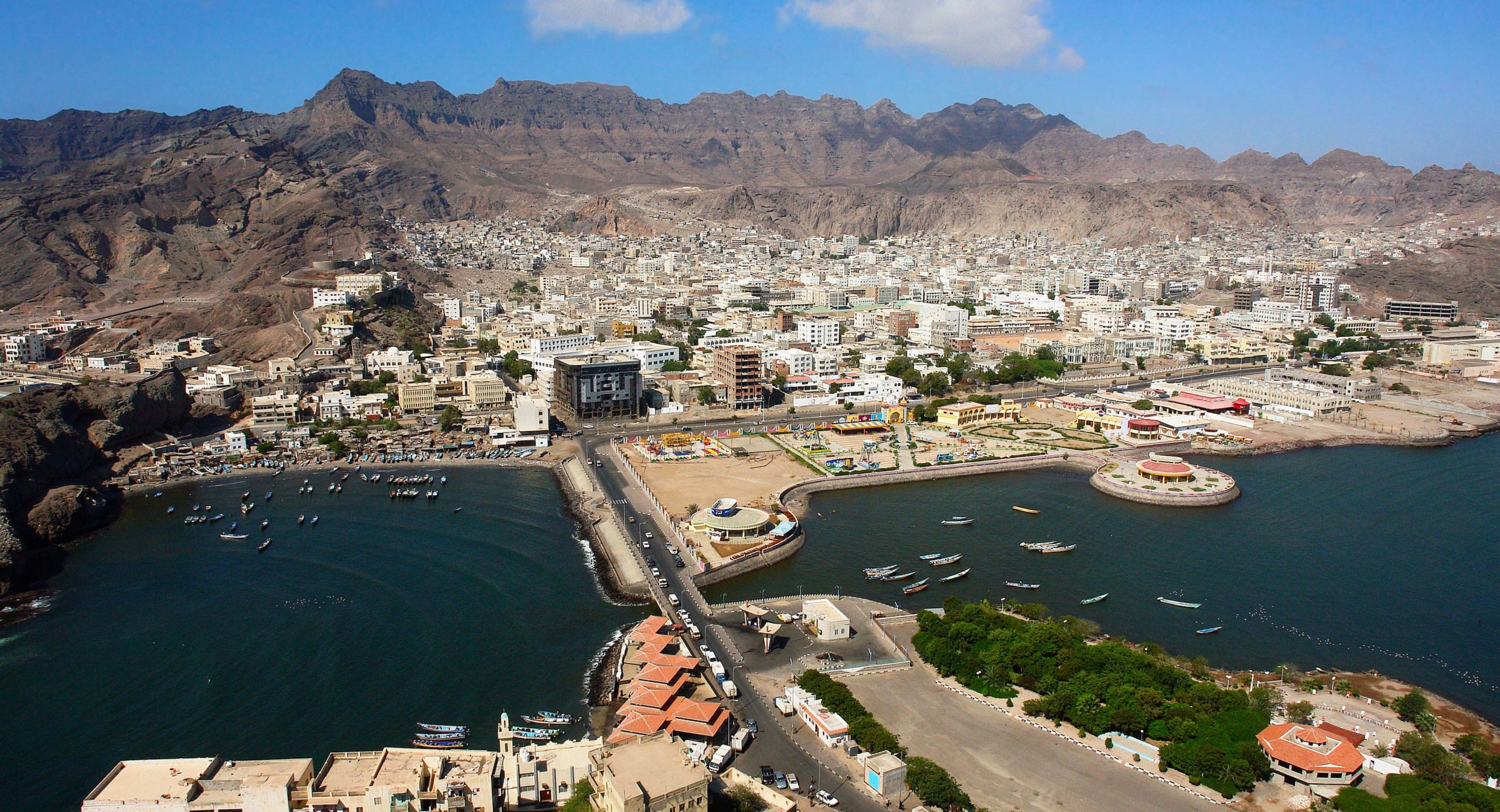
The war in Yemen just entered a brutal new chapter. If you’ve been tracking the region casually, it's easy to dismiss this as just another cycle of desert skirmishes. You'd be wrong.
Saudi-backed government forces claim they've neutralized over 1,100 Houthi fighters in less than 24 hours under operation "Dawn of Yemen." At the same time, regional fallout is widening rapidly following a strike on Riyadh's King Khalid International Airport.
Let's look at what's actually happening on the ground and why this military escalation threatens global shipping lanes more than ever.
The Ground Realities of Operation Dawn of Yemen
Colonel Majed Abdullah al-Nazili dropped staggering figures this week. We are talking about nearly 2,000 targeted operations across Yemen, hundreds of destroyed supply vehicles, and shattered ammunition dumps.
Ground forces aren't just holding defensive lines anymore. They are pushing hard.
Battles are currently raging around Mocha and Dhubab. Why do these coastal cities matter? They sit right on the doorstep of the Bab al-Mandeb strait. This narrow maritime corridor connects the Red Sea to the Gulf of Aden. Millions of barrels of oil and global cargo pass through here daily.
When the Houthis seized control of areas around the strait in September 2026, they effectively put a chokehold on international trade. The ongoing government offensive is a high-stakes gamble to break that grip before shipping costs and security risks spiral completely out of control.
No Local Mediators Left to Cool the Fire
Diplomacy has hit a brick wall.
According to Baraa Shiban, an associate fellow at the Royal United Services Institute, there are zero regional or local mediators capable of cooling down the current crisis. Both sides smell blood.
The Houthis aren't just fighting domestic forces. They have broadened their crosshairs significantly. Following the airport attack in Riyadh—which left several people injured and forced massive flight cancellations—international actors are weighing direct interventions.
President Donald Trump stated that Washington will make a decision soon regarding potential strikes against Houthi positions. Meanwhile, the Iran-backed group has issued blunt warnings to international players like Pakistan, threatening direct retaliation against Pakistani vessels and territory if Islamabad steps into the fray on behalf of Riyadh.
What Most People Miss About the Houthi Strategy
Most mainstream reports treat the Houthis as a purely local insurgent group reacting to regional pressure. That is a dangerous misunderstanding.
The group operates with integrated asymmetric capabilities. They've turned commercial aviation and maritime shipping into geopolitical leverage points. By explicitly warning aviation companies to clear out of Saudi airspace—carving out exceptions only for the holy cities of Mecca and Medina—they are attempting to isolate the kingdom economically.
They are fighting a multi-front war by design. They want to make the cost of intervention unbearable for any regional or international partner who backs the internationally recognized government.
Where This Conflict Heads Next
Don't expect a quick resolution. The momentum is violent, fast-moving, and expanding beyond Yemen's borders.
If government forces secure Mocha and Dhubab, supply lines shift. If they fail, the Bab al-Mandeb strait remains a hostile zone for global commerce. Watch the Red Sea closely over the coming days. The trajectory points upward, and the collateral damage is already spreading to civilian infrastructure across the Arabian Peninsula.