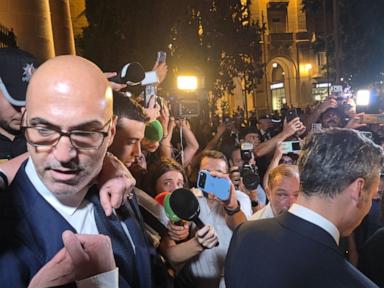
Nearly nine years after a car bomb brutally ended the life of investigative reporter Daphne Caruana Galizia, the legal battle over who ordered the hit has hit a massive wall. A Maltese jury cleared prominent businessman Yorgen Fenech of charges accusing him of masterminding the 2017 assassination.
The verdict handed down in Valletta sent immediate shockwaves through courtrooms and international press freedom circles. Prosecutors argued Fenech paid roughly 150,000 euros through a middleman to silence the journalist, who had been exposing high-level government corruption tied to offshore accounts and murky energy deals. Fenech denied the accusations, pointing fingers elsewhere, and ultimately walked away after jurors voted eight to one to acquit him on both complicity and criminal association counts.
The Evidence That Split the Courtroom
Trials of this magnitude rarely hinge on simple narratives. The prosecution relied heavily on Melvin Theuma, a taxi driver who acted as the middleman and secured a presidential pardon to turn state witness. The defense built its strategy around tearing down Theuma's credibility while shifting scrutiny toward other powerful political figures, including Keith Schembri, the former chief of staff to then-Prime Minister Joseph Muscat.
Police maintained that Schembri was never an official suspect, but defense attorneys argued the state failed to dig deep enough into those connections. Jurors deliberated for eight hours before delivering the decisive verdict. To the victim's family, press freedom advocates, and global watchdog organizations, the decision feels like a profound miscarriage of justice.
The Fallout for Press Freedom in Europe
Daphne Caruana Galizia was not just any reporter. Her work on the Panama Papers exposed systemic rot at the highest levels of Mediterranean governance. When her vehicle exploded near her home in October 2017, it sparked worldwide outrage and forced political upheavals, including the eventual resignation of Prime Minister Joseph Muscat in 2019.
While direct foot soldiers in the plot have faced legal consequences—including hitmen who received lengthy prison sentences and bomb procurers handed life terms—the identity of the true mastermind remains contested in the eyes of the public. Civil society groups and journalism organizations continue to argue that a culture of impunity still haunts the nation's political apparatus.
The prosecution plans to appeal the verdict, ensuring this legal saga is far from over. Accountability remains elusive, leaving watchdogs to question whether justice will ever fully be served for targeted investigative reporters.