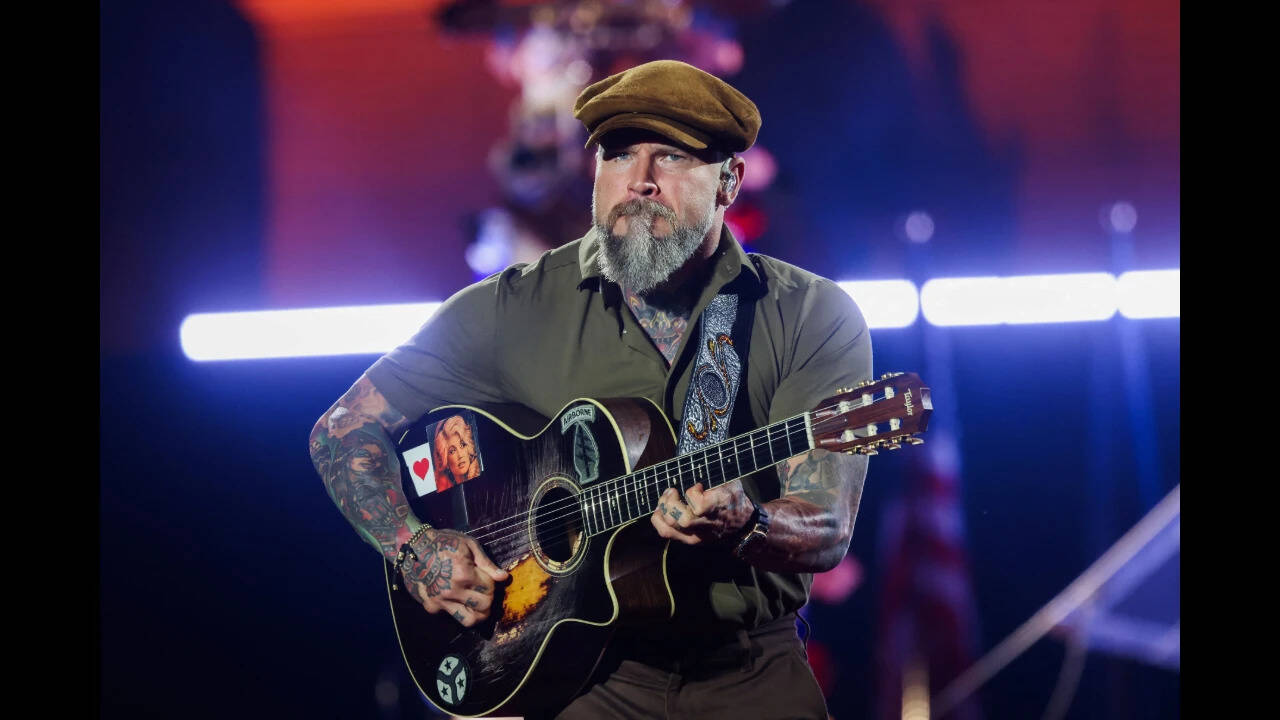
Celebrity-backed charities often amount to little more than red-carpet photo ops and check-writing ceremonies. You see the gala, you read the press release, and three months later, the initiative quietly fades away.
Zac Brown took a completely different path.
Fifteen years ago, the country music frontman looked at 400 sprawling acres in Fayetteville, Georgia, and decided to build something built to last. Today, Camp Southern Ground operates as a fully realized sanctuary combining an inclusive summer camp, targeted veteran support services, and an 11.5-acre USDA Certified Organic farm that puts fresh produce directly on dining tables.
If you want to understand how a celebrity passion project survives past the initial hype, you have to look at the dirt, the blueprints, and the day-to-day operations.
The Organic Farm Feeding the Campus
Let's start where most people wouldn't expect a youth camp to focus: the soil.
The 11.5-acre organic farm isn't a quaint decorative patch planted for photo shoots. It functions as a heavy lifter in the campus kitchen, supplying fresh ingredients for three daily meals served to campers and visiting veterans. Chefs craft menus following anti-inflammatory, gluten-free, and allergen-free standards.
Feeding hundreds of hungry kids and service members with on-site harvests requires serious agricultural planning. The farm operates a one-acre demonstration garden designed explicitly for education. Campers don't just eat the vegetables; they pull weeds, harvest crops, and prep meals with their own hands.
That hands-on exposure changes behaviors. Last year, internal tracking showed that 71 percent of campers tried a new food they previously avoided. When kids watch a carrot go from dirt to cutting board, healthy eating stops feeling like a lecture from a textbook and starts feeling like an experience.
Building for the Long Haul
Sustainability at Camp Southern Ground goes far beyond growing heirloom tomatoes. The physical infrastructure reflects a deep commitment to energy efficiency and environmental engineering.
The campus features LEED-certified buildings constructed with durable materials like recyclable zinc siding. Instead of relying on standard HVAC units that drain local grids, the facilities use Dedicated Outdoor Air Systems paired with a geothermal ground loop system. Wells tap into stable underground temperatures to pre-condition air before it even enters the buildings.
A five-acre solar field sits quietly on the property, generating enough juice to let the camp run completely off-grid during peak daylight hours. Computer-managed lighting systems, occupancy sensors, and low-voltage LEDs ensure that empty rooms don't waste power.
Every design choice signals permanence. Brown didn't construct temporary wooden cabins that will rot in a decade. He built a high-tech, eco-friendly campus designed to serve communities for generations.
True Inclusion at Summer Camp
Summer camps often talk a big game about being welcoming, but many children with unique physical, emotional, or neurodivergent needs find themselves sidelined.
Camp Southern Ground took a deliberate turn toward absolute inclusion. The National Summer Learning Association recognized that effort by awarding the organisation its Summer Learning Legacy Award, and the camp holds accreditation from the National Inclusion Project.
Children from wildly different backgrounds and ability levels participate in the exact same activities. Sensory pathways, created with partners like the Peachtree City Rotary Club, give kids quiet spaces to recharge without missing out on the communal environment. Storytelling workshops run in collaboration with groups like Generation WE help young people process trauma and express their identities through art.
When every camper accesses the same climbing wall or campfire circle, the culture shifts from tolerance to actual belonging.
Warrior Programmes and Life After Service
While children fill the campus during summer months, the rest of the year belongs to military veterans and their families.
Transitioning out of active duty can break a service member. The psychological weight of combat, combined with the loss of unit cohesion, leaves many veterans stranded in civilian life. Camp Southern Ground addresses this directly through free initiatives like Warrior PATHH, which focuses on post-traumatic growth rather than just managing symptoms.
Gold Star families and children of fallen or wounded heroes also find refuge here through structured retreats with organizations like TAPS and Camp Corral.
Music acts as the connective tissue for many of these veteran programmes. Brown leans heavily into his industry roots by hosting the Warrior Song initiative. Veteran singer-songwriters gather for intensive multi-day songwriting mentorships, turning shared trauma and transition struggles into art. Annual benefit concerts like Unsung Hero LIVE bring crowds together to fund these free veteran resources, proving that the entertainment industry can support real rehabilitation work when steered correctly.
What Other Projects Can Learn
Most philanthropic ventures stumble because they treat symptoms instead of building systems. Zac Brown's Georgia compound succeeds because it integrates food security, environmental sustainability, mental health support, and youth development into one physical footprint.
You can't fake an 11.5-acre organic farm. You can't fake geothermal wells or solar grids. And you certainly can't fake the community built around campfires and shared meals in Fayetteville.
If you're looking to support a charity or build an initiative that actually moves the needle, stop launching temporary campaigns. Build the farm, plant the roots, and commit to the long game.