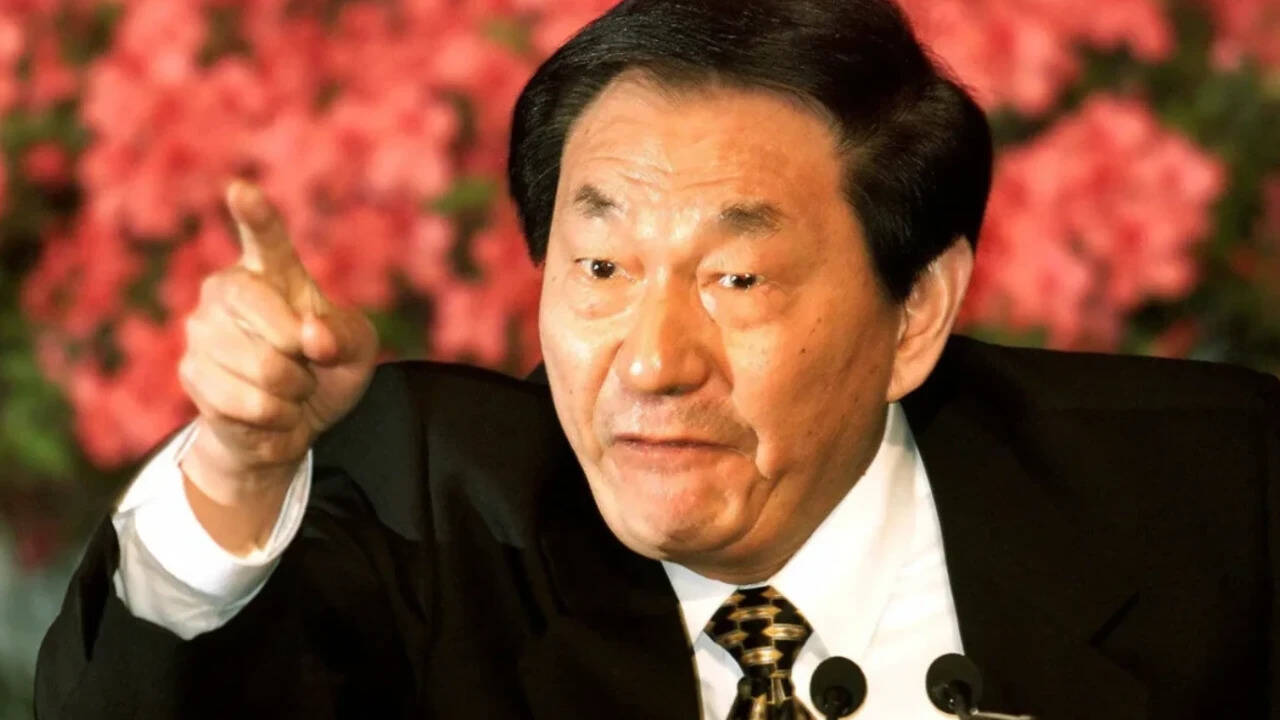
Zhu Rongji didn't care about making friends in high places. He cared about fixing an economy spiraling into chaos. When the former Chinese premier passed away at 97, the world lost one of the few political heavyweights who could force massive, painful change without flinching.
You hear a lot today about economic strategy, but few leaders possessed Zhu's appetite for confrontation. He inherited an overheating financial system, rampant corruption, and bloated state industries that drained national wealth. Instead of applying minor fixes, he brought a wrecking ball.
The Man Behind the Reforms
Born in Changsha in October 1928, Zhu studied electrical engineering at Tsinghua University before entering public service. His path wasn't smooth. He faced political purges during Mao Zedong's era, enduring manual labor in rural exile before returning to government service decades later. That resilience shaped his no-nonsense governance style.
When he became vice premier in 1991 and later premier in 1998, China stood at a dangerous crossroads. Inflation sat at staggering heights, and inefficiency crippled state-owned enterprises. Zhu stepped into the fire. He earned nicknames like "Boss" and "Madman Zhu" because he demanded absolute accountability.
Taking on State Giants and Global Trade
Zhu's playbook was brutal and effective. He forced inefficient state-run companies to restructure or shut down. That move cost tens of millions of workers their jobs, triggering immense social friction. Yet, it stripped away dead weight and paved the way for private sector growth.
At the same time, he drove the grueling negotiations that brought China into the World Trade Organization in 2001. Critics warned it would crush domestic industries. Zhu pushed it through anyway, betting that global competition would force Chinese companies to sharpen up. He was right. That single move anchored China into global supply chains for decades.
A Legacy of Blunt Warnings
Zhu never hid his contempt for corruption. Famously stating in 1998 that he had prepared one hundred coffins—ninety-nine for corrupt officials and one for himself—he set a standard for anti-graft messaging that few matched after he left office in 2003. Decades later, collections of his speeches became underground best-sellers among intellectuals who missed his direct warnings about local debt and reckless banking.
He wanted to be remembered simply as an honest official. History shows he left behind a much heavier footprint: an economic powerhouse built through sheer stubbornness and sharp discipline.
Take a hard look at modern supply chains or global trade rules today. Every major commercial pathway traces back to the structural shocks Zhu delivered thirty years ago.


