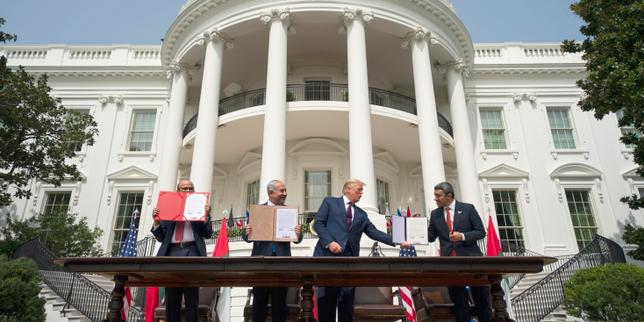
We were sold a diplomatic miracle. Back in 2020, political architects promised that bilateral deals between Israel and several Arab nations would completely rewrite the regional playbook. They called it a historic dawn. They claimed that trade, tourism, and security pacts would bypass decades of stalemate.
They were wrong.
Six years later, the reality on the ground looks entirely different. Instead of laying the foundation for a stable regional order, the Abraham Accords bypassed the core issue that has fueled generations of conflict. By trying to secure regional integration while ignoring the Palestinian question, these treaties created a fragile architecture that ultimately shattered under pressure.
The Illusion of Bypass Diplomacy
Diplomacy rarely works when you try to skip the hardest step. The central premise behind the normalisation agreements was simple. Proponents argued that Arab states could forge deep economic and strategic ties with Israel without ever resolving the core dispute involving Palestinian statehood and rights.
It was an attractive pitch for tired leaders. Governments in Washington and various regional capitals wanted a quick win. They wanted trade routes, tech sharing, and intelligence coalitions against common rivals.
Yet, ignoring a burning house doesn't put out the fire. It just lets the flames spread to the rest of the neighborhood.
When you sideline millions of people who have lived under military occupation for decades, stability becomes a house of cards. The treaties treated a political conflict as if it were just an economic hurdle to clear with venture capital and direct flights. That strategy misread human nature and the deep historical grievances embedded in the region.
How Normalisation Fueled Escalation
Instead of dampening tensions, the diplomatic rush created new fault lines. Regional powers interpreted the shifting alliances through a lens of existential competition.
When governments sign high-profile security pacts behind closed doors, excluded populations feel completely abandoned. That sense of betrayal acts as fuel for radicalization. Militant groups found a fresh recruitment narrative, pointing directly to the deals as proof that official Arab diplomacy had traded justice for tactical convenience.
Look at what happened next. The exclusion of the Palestinian struggle from these calculations didn't make the issue go away. It intensified the pressure cooker. When explosions finally tore through the region, the diplomatic bridges built by the accords didn't prevent the violence. They buckled under the weight of it.
Real peace requires addressing grievances, not sweeping them under the rug with high-tech trade agreements.
What History Teaches Us About Regional Stability
You cannot buy lasting security with defense contracts. True regional integration demands inclusive frameworks. When bilateral deals benefit political elites while leaving populations deeply divided, they plant the seeds of future wars.
If we want a different outcome tomorrow, policymakers must drop the illusions of shortcut diplomacy. Solving complex geopolitical crises takes patience, moral clarity, and a willingness to confront hard truths rather than signing paperwork that ignores the people bearing the brunt of the conflict.
Stop pretending that economic partnerships can substitute for political justice. Until leaders face that reality, every new treaty will simply be the prelude to the next crisis.


