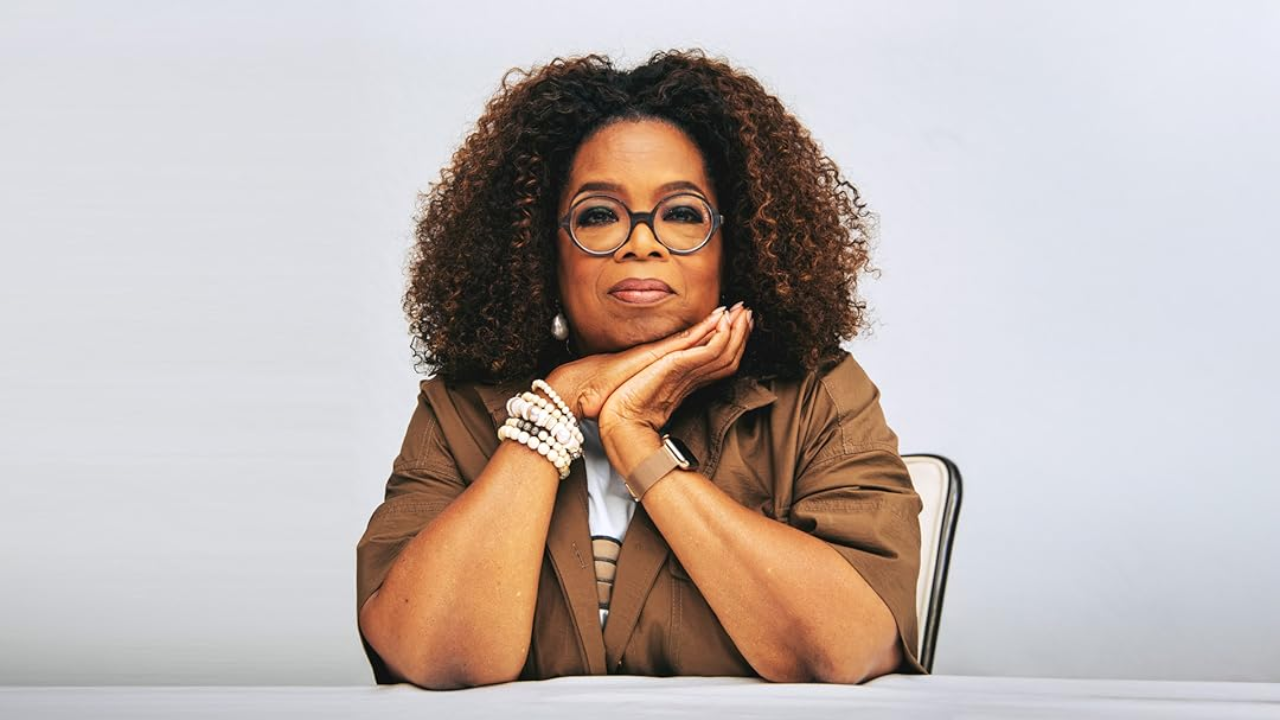
When disaster strikes an island, cable news crews descend, broadcast the wreckage, and leave. What happens next? Most people never stick around to find out. Comedian and actor Aida Rodriguez is changing that narrative with her starring role in the independent film Hurricane Seasons.
Instead of treating Puerto Rico as a tragic backdrop or a tropical vacation brochure, the film anchors itself in the messy, vibrant reality of family life, grief, and resilience. Debuting at the Newport Beach Film Festival, the project pushes past Hollywood's lazy tropes about the Latine diaspora. It offers a raw look at what it means to be pulled between two worlds.
Breaking Free From Hollywood's Cookie Cutter Latina Roles
You've seen the character a thousand times. She's loud, she's spicy, and she serves as the quirky sidekick who exists purely to add flavor to a script written by someone who has never stepped foot in the Caribbean. Rodriguez knows this drill all too well from decades in the entertainment industry.
When the script for Hurricane Seasons landed on her desk, it offered something entirely different. Directed by Nicole Gomez Fisher and written by Xavier Ortiz, the film casts Rodriguez as Glori, a Brooklyn-born community worker returning to the island to help care for her terminally ill mother, played by Priscilla Lopez. Her sister, played by Justina Machado, rounds out a multigenerational trio that feels authentic down to the marrow.
For Rodriguez, playing Glori meant stepping away from the microphone and trusting an acting craft she had initially paused to pursue stand-up comedy. Stand-up demands absolute personal transparency. Acting requires loaning your body and voice to someone else's emotional architecture.
Getting back into that headspace took intensive coaching. She had to let the comedian take a back seat so the character could breathe. The result is a performance that rejects the flat stereotypes dominating mainstream media. Glori is an artist, a daughter, a mother, and a complex human being with a tangled past. She doesn't have to perform her culture for the audience. She just exists in it.
The Invisible Weight of the Diaspora
One of the sharpest tensions explored in the film is the invisible friction between Puerto Ricans living on the island and those living stateside. It's an unspoken friction that every immigrant community understands on a cellular level.
If you leave the island for survival or opportunity, you face a quiet judgment from those who stayed behind. Why do you get to claim the culture if you didn't stick out the worst of the blackouts, the water shortages, and the economic instability? Conversely, those in the diaspora often feel caught in a permanent identity limbo. You're never American enough for the mainland, and you're never local enough for the island.
Rodriguez taps directly into that emotional fault line. She identifies this psychological split as a direct downstream effect of colonization. People are constantly forced to prove their authenticity according to standards written by outsiders.
Hurricane Maria didn't just shatter power grids; it cracked open conversations that needed to happen within families and communities. It forced the world to look at an island that corporate media usually ignores until the wind speeds hit category four.
Why Independent Cinema Keeps Stories Honest
Studio blockbusters operate on algorithms and quarterly profit margins. When a major Hollywood conglomerate finances a project about a marginalized community, executives frequently dilute the cultural specifics to appeal to the widest possible demographic. They sanitize the dialogue and cast actors who fit an outdated casting sheet.
Independent filmmaking cuts through that corporate interference. Without a studio breathing down their necks, the creative team behind Hurricane Seasons made deliberate choices that protected the integrity of the story.
They shot the film on location in Puerto Rico. More importantly, they hired a local crew and cast actual island residents for pivotal background sequences, including protest scenes featuring real activists and musicians. This wasn't about parachuting a production crew into a scenic location for a quick tax write-off. It was about ensuring the local economy actually benefited from the disruption.
When outsiders roll into towns, block traffic, and treat a community like a cheap set piece without sharing any upside, it's exploitation. This project flipped that dynamic by honoring the people whose daily lives mirror the narrative on screen.
Carrying the Culture Home
At its core, Hurricane Seasons is about the intangible inheritance passed down through generations. It's the small, stubborn rituals that survive relocation.
Whether it's brewing traditional herbal teas for an upset stomach, growing culinary herbs on a cramped apartment balcony, or wearing traditional protective talismans like an azabache, cultural survival lives in the details. These traditions travel in suitcases and live on in kitchens where the next generation learns how to cook traditional dishes from memory.
Aida Rodriguez views these practices as a form of quiet resistance. Cultural identity isn't something granted by a geographic border or a passport stamp. It's something you carry inside you, no matter where your zip code happens to be.
The island remains a magnet for outsiders who want its beauty without its people. But the magic of Puerto Rico has never been about real estate or tourist boards. It lives in the resilience of families refusing to let their history be flattened into a punchline.