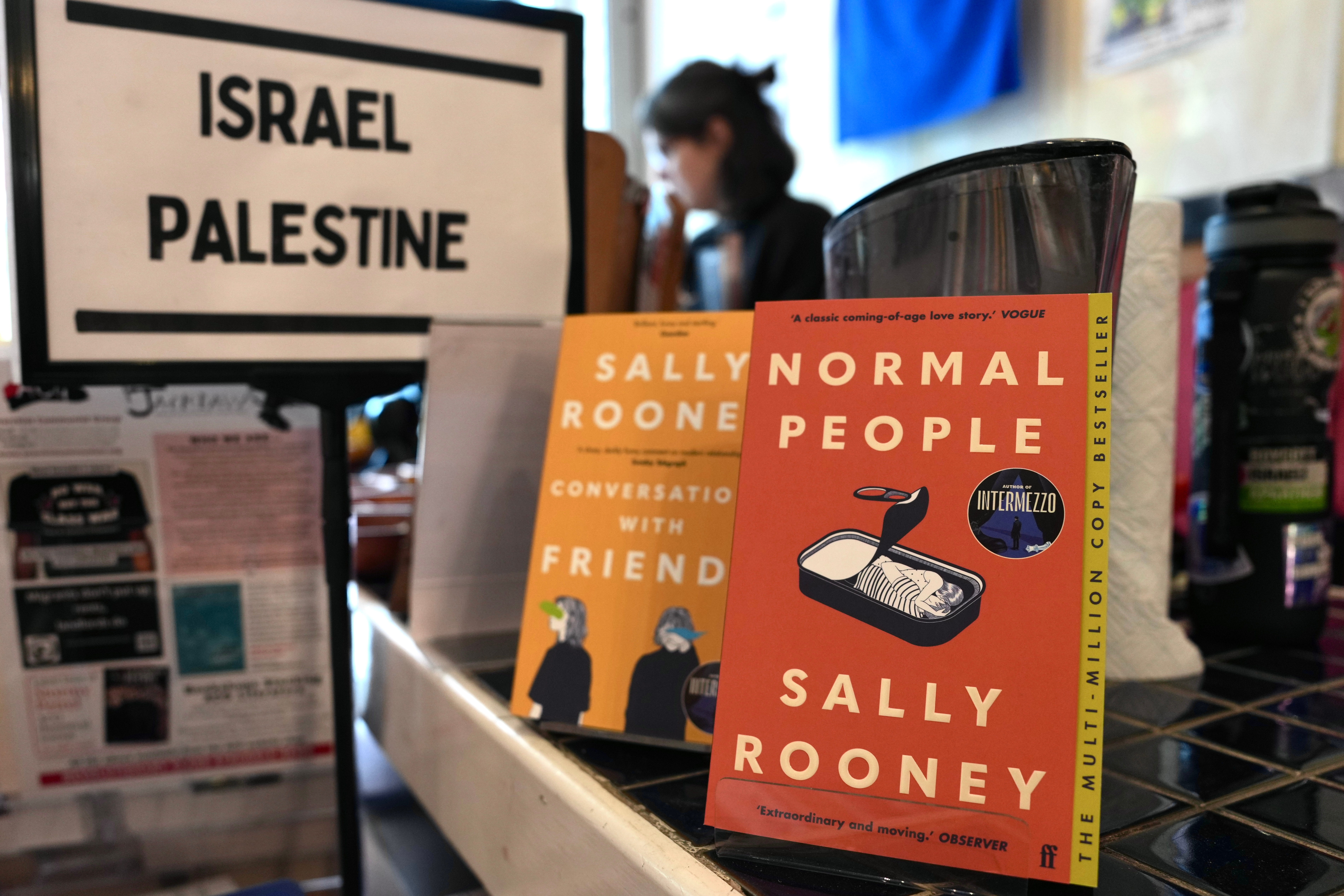
Irish novelist Sally Rooney will no longer have her bestselling books sold in the United Kingdom. Her publisher, Faber, confirmed that copies of titles like Normal People and Intermezzo are vanishing from British bookstores due to Rooney's financial backing of Palestine Action.
British counterterrorism laws have directly collided with contemporary literary fame. If you've been wondering why one of the most widely read authors of her generation is suddenly unavailable across the border, the answer sits at the intersection of strict national legislation and unyielding political conviction.
Here is what is actually happening behind the headlines.
The Legal Trap Behind the Ban
The conflict started when the British government used the Terrorism Act 2000 to proscribe Palestine Action, a direct-action network targeting facilities linked to Israeli weapons manufacturers. Under Section 15 of that legislation, providing money, property, or support that could be used for the purposes of terrorism is a serious offense carrying a maximum prison sentence of 14 years.
Rooney made no secret of her intentions. She publicly pledged to donate her UK book royalties directly to Palestine Action.
That promise created an impossible legal bind. Faber cannot legally transfer British earnings to an author who has stated she will channel those funds into an organization classified as a terrorist group by the UK government.
As Faber noted, selling an author's work while being legally blocked from passing on their earnings is an unconscionable situation. With mutual agreement, the publisher chose to halt distribution entirely.
Beyond the Bookstores
The fallout extends far past bookstore shelves. Rooney previously canceled a planned trip to the UK to accept a literary prize because she faced a credible risk of arrest under the same terrorism laws.
Over 3,000 people have been arrested across Britain for expressing support for Palestine Action since its proscription. Critics argue that using counterterrorism powers against political protest creates a chilling effect on free expression. Supporters of the government's stance maintain that national security measures must apply uniformly, regardless of an individual's cultural prominence.
Rooney's stance represents a rare instance of a high-profile commercial author absorbing a massive financial hit for her beliefs. Her books routinely sell hundreds of thousands of copies in the UK alone. Walking away from that market takes a specific kind of defiance.
What Happens Next for Readers
If you want to read Sally Rooney in the UK right now, you won't find new stock from Faber. Used copies and existing library stocks remain circulating, but new publications are halted in the territory.
Outside the UK, including in her native Ireland and international markets, publishing agreements remain entirely unaffected. Faber continues to distribute her work globally where local counterterrorism statutes do not criminalize the financial arrangement.
This situation marks a dramatic shift in how literature intersects with modern geopolitics. Authors have long used their platforms for political commentary, but very few have watched their entire national catalog disappear because a publisher couldn't legally pay them for their work.
Check your local independent shop for remaining inventory if you need a copy. Otherwise, the UK market will remain devoid of new Rooney releases until the legal landscape shifts.