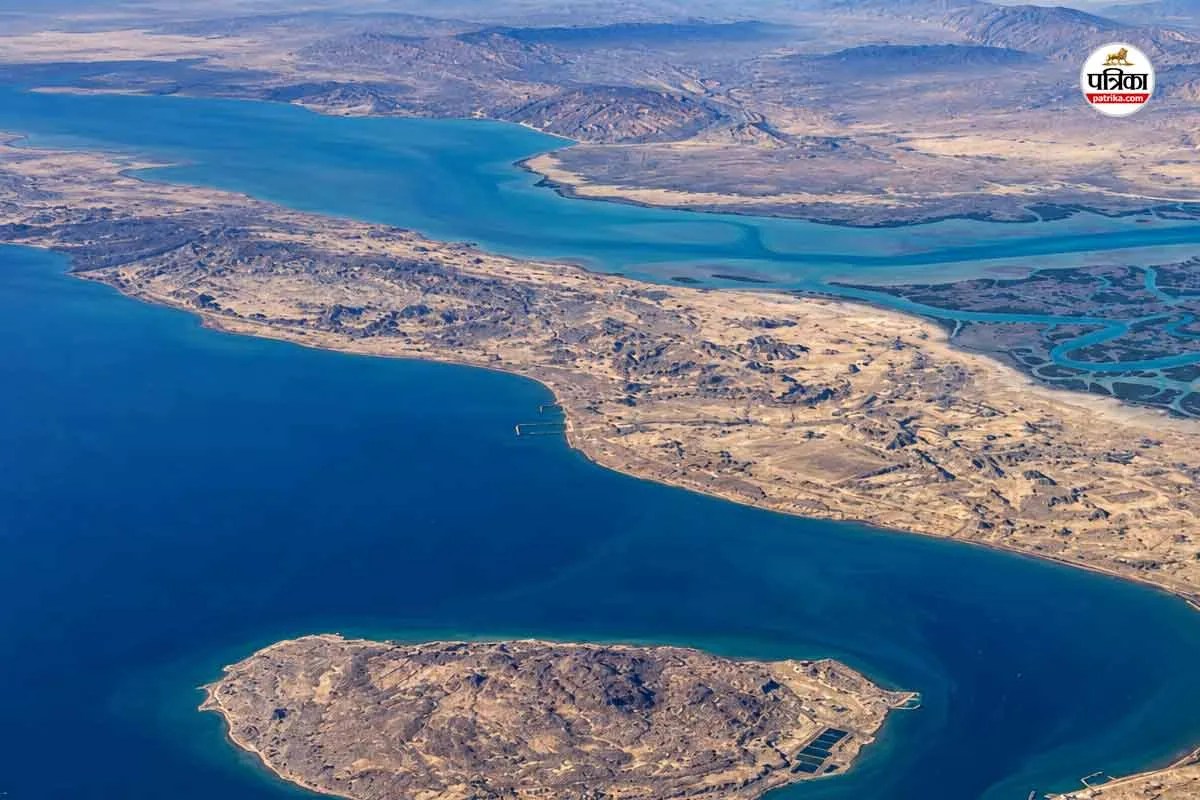
Maritime security in the Middle East just took another tense turn. A commercial vessel operating off the southern coast of Iran near Qeshm Island was struck, leaving one crew member dead and three others injured. Local authorities, including Qeshm Governor Amir Teymouri, confirmed the incident, but details regarding the exact nature of the assault and the identity of the attackers remain murky.
When a commercial ship gets hit in waters this close to critical international shipping lanes, nobody should brush it off as an isolated accident. Let's look at why this matters, what the geography tells us, and why commercial shipping in the region is facing mounting vulnerabilities.
The Geography of the Attack
Location matters immensely in maritime incidents. This event occurred near Qeshm Island, specifically positioned close to Hengam Island and the Shib Deraz coast. More importantly, this area sits right at the threshold of the Strait of Hormuz.
You're looking at one of the most vital oil and commercial transit arteries on the planet. Millions of barrels of oil and massive volumes of global goods pass through these narrow waters daily. When safety breaks down here, global supply chains feel the tremor immediately. Iranian state media and international agencies like Reuters reported the incident quickly, but the lack of immediate clarity on the weaponry or attackers highlights just how unpredictable these coastal waters have become.
Why Commercial Vessels Are Caught in the Middle
Commercial crews aren't combatants. Yet, rising geopolitical friction frequently turns trade vessels into collateral damage or direct targets. Whether you're analyzing drone strikes on regional energy infrastructure or unexplained strikes on merchant shipping near strategic islands, the pattern points to a fragile security climate.
Security experts have warned for years that maritime choke points make sitting ducks out of merchant vessels when regional tensions boil over. When ships can't sail safely near Iran's southern coast or across the broader Persian Gulf, insurance rates spike, shipping companies alter profitable routes, and operational risks multiply.
What Happens Next in the Investigation
Right now, local Iranian officials are gathering evidence to determine who was behind the strike and what kind of device or tactics were deployed. Initial reports gave numbers and locations, but left the motive entirely open.
Was this part of broader regional conflicts involving state actors, or something localized? Until investigators release verifiable findings, speculation runs wild. What we do know is that trade vessels operating in high-tension zones need heightened vigilance, updated security protocols, and real-time intelligence monitoring to avoid becoming the next headline.
Keep a close eye on official updates from regional maritime authorities rather than social media rumors. The true impact of this attack will depend heavily on whether investigators uncover a deliberate escalation or an opportunistic strike in volatile waters.