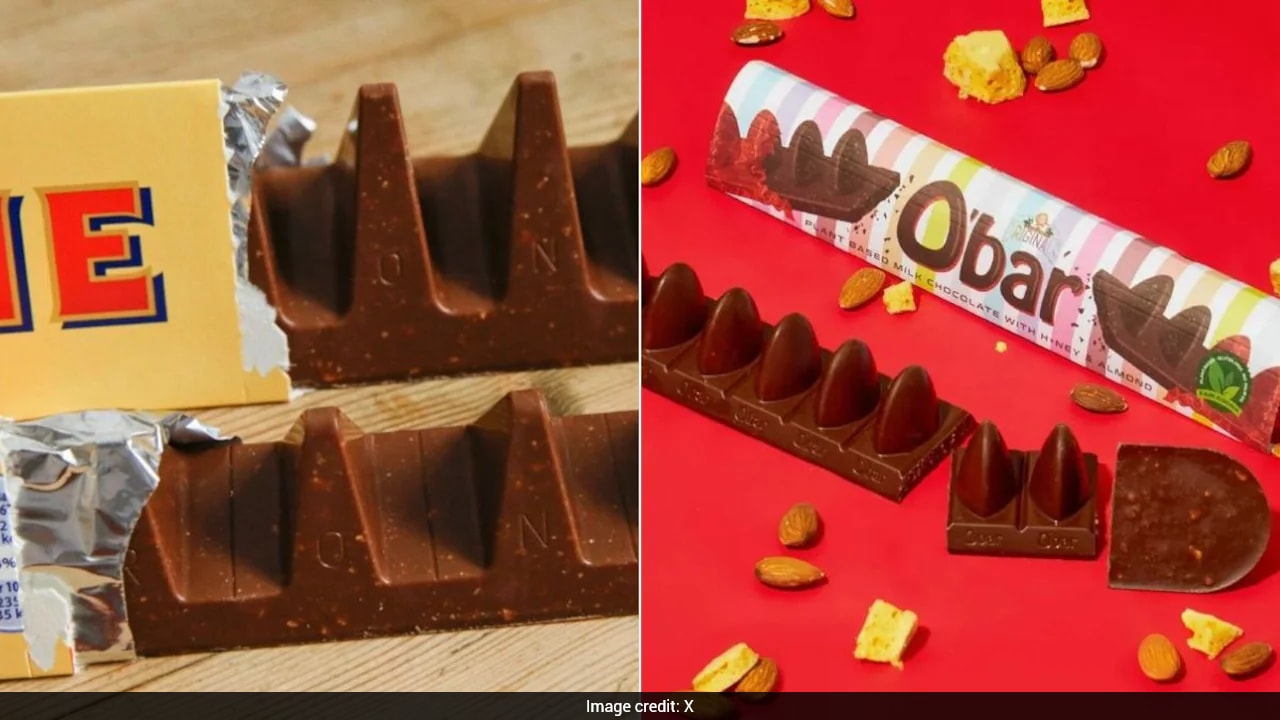
Trademarks are supposed to protect brands from cheap knockoffs, but sometimes they look like corporate intimidation.
Mondelēz International, the massive conglomerate behind Toblerone, recently decided to take legal action against a tiny, independent British vegan chocolate maker named Catherine's Originals. The battleground? A high court lawsuit in London over whether a chunky chocolate bar shape belongs exclusively to a multinational giant.
If you think a corporate titan suing a boutique vegan brand over a geometric profile sounds petty, you are not alone. But the legal stakes in the confectionery world run deeper than a simple candy bar.
The Anatomy of a Corporate Lawsuit
The dispute centers on Catherine's Originals and its O'Bar, a plant-based treat featuring a distinct molded profile. Mondelēz claims that the design infringes on the instantly recognizable, mountain-inspired triangular shape of Toblerone, which has been registered and marketed since 1929. They filed claims for trademark infringement and passing off in the UK High Court.
Catherine Dodd, the founder of the West Sussex-based independent brand, didn't stay quiet. Facing off against a multinational food corporation is terrifying for a small business, yet she publicly pushed back, stating that no one likes a bully.
Corporate legal teams do not launch high court actions by accident. They protect intellectual property fiercely because shape trademarks—known as 3D trademarks—are notoriously difficult to defend once you let competitors crowd the space. If Mondelēz ignores a smaller brand using a chunky, segmented profile, they risk weakening their legal monopoly over the shape entirely.
Corporate Protectionism Versus Market Realities
This isn't the first time Mondelēz has flexed its legal muscle over product architecture. Back in 2017, budget supermarket chain Poundland launched a two-humped bar called Twin Peaks to mimic Toblerone after the original brand widened the gaps between its triangles to cut costs. Mondelēz fired off legal warnings immediately, forcing Poundland to alter its packaging colors and bar geometry before it could hit shelves.
Yet, owning a geometric concept in the food industry creates a slippery slope. Consumers do not confuse a plant-based vegan honeycomb bar with a dairy milk and honey-nougat Toblerone. The ingredients, branding, price points, and packaging look completely different.
When conglomerates try to gatekeep basic shapes like triangles, blocks, or chunky segments, they stifle independent creativity. Small chocolatiers experiment with molds because unique textures enhance mouthfeel and portion control. Restricting those choices means standardizing candy aisles into boring uniformity.
What This Means for Independent Makers
If you run a consumer goods brand, this case offers a harsh lesson in intellectual property risk. Big players monitor niche markets closely. The moment an independent product gains traction or borrows design cues from a heritage brand, legal letters follow.
Defending a lawsuit in the High Court of London costs a fortune. Small businesses rarely survive prolonged litigation against companies with billion-dollar balance sheets, regardless of who is legally in the right.
Look closely at your own product designs. If your physical mold shares silhouette characteristics with an iconic mass-market item, you might be sitting on an unexploded legal minefield. Distinctiveness is your best defense. Straying far away from legacy shapes keeps you out of the crosshairs.
Innovation requires freedom of form. When legal battles target small makers over aesthetic overlaps, everybody loses a bit of market variety.