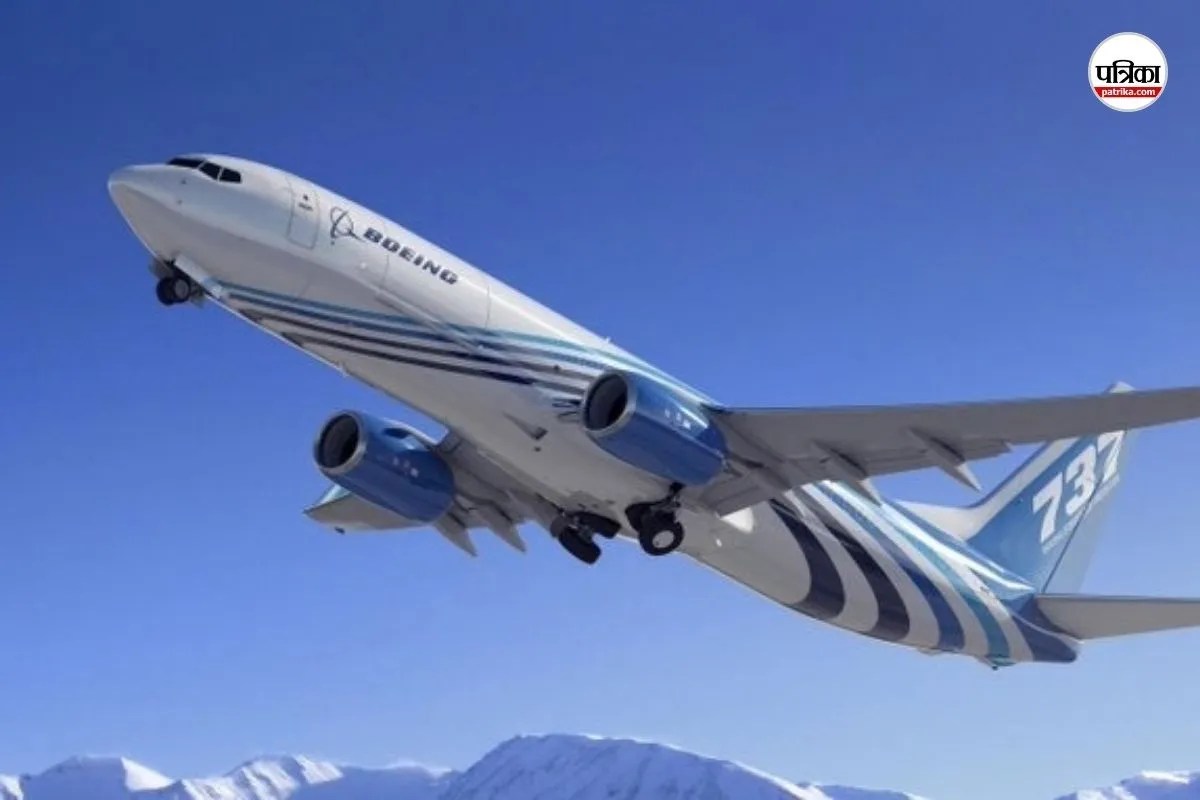
If you thought global aviation giants could easily close blockbuster multi-billion-dollar agreements just by putting leaders in the same room, reality has proven otherwise.
Aviation bellwether Boeing entered high-level diplomatic discussions with expectations pointing toward a massive 500-plane commitment from Chinese carriers. By the time the dust settled, that number dropped down to a provisional 200-jet arrangement, leaving market watchers wondering how a grand vision turned into a scaled-back reality.
Understanding this shift requires looking past corporate press releases and examining the heavy intersection of geopolitics, industrial supply chains, and fierce competition from European rival Airbus.
The High Stakes of Reentering the Chinese Aviation Market
Boeing hasn't secured a meaningful direct commercial sale in China for nearly a decade. Years of strained bilateral relations, regulatory freezes, and safety scrutiny effectively locked the American manufacturer out of what industry forecasts project will be the world's single largest buyer of new aircraft over the next two decades.
When preliminary talks began ahead of high-stakes presidential summits between Donald Trump and Xi Jinping, optimism ran hot. Whispers of a mammoth 500-aircraft transaction circulated among market analysts, suggesting a total normalization of commercial ties.
Yet, translating political goodwill into firm purchase orders is notoriously difficult. Boeing CEO Kelly Ortberg later reframed the conversation, emphasizing that the primary objective wasn't chasing an unrealistic headline figure, but simply cracking the door open again.
Why the Numbers Shrank
Negotiations involving aerospace manufacturing and superpower trade policies rarely follow a straight line. Several concrete factors explain why the potential order shrunk from 500 down to 200 units:
- Pragmatic Tranches: Boeing leadership labeled the 200-plane agreement an "initial tranche" rather than a final ceiling, opting for smaller, manageable chunks that airlines can absorb at their own operational pace.
- Supply Chain Realities: Building hundreds of commercial jets requires an uninterrupted flow of specialized components, particularly engines from suppliers like General Electric. Ensuring guaranteed access to spare parts and maintenance provisions took months of tense bureaucratic wrangling between Washington and Beijing ministries.
- Airbus Dominance: While Boeing sat on the sidelines, Airbus heavily entrenched itself within Chinese domestic final-assembly facilities and airline fleets, meaning Boeing has to claw back market share plane by plane.
What This Means Moving Forward
If you are tracking aviation economics, the takeaway is clear. Getting a provisional 200-jet framework onto paper is a vital survival step for Boeing's international order book, even if it falls short of initial speculative hype.
Recent updates indicate that a substantial portion of these jets are moving through the documentation pipeline, backed by extended trade truces and ongoing diplomatic breathing room. The golden era of effortless mega-orders is gone, replaced by a cautious, incremental approach where every single frame must be fought for on both political and economic fronts.
To stay ahead of these shifts, look past the initial announcement numbers and watch how quickly provisional agreements convert into firm delivery slots on factory assembly lines.
Good news for Boeing aircraft orders update
This video provides an inside look at how Boeing's 200-plane commitment with China is actively progressing from diplomatic promises into finalized factory documentation.