You brush twice a day, floss when you remember, and still your dentist finds stubborn plaque buildup hiding right at the gumline. Traditional nylon bristles have dominated oral hygiene for centuries, yet they remain fundamentally limited by physical friction alone. Mechanical scrubbing often misses microscopic bacterial colonies tucked deep inside the gingival sulcus.
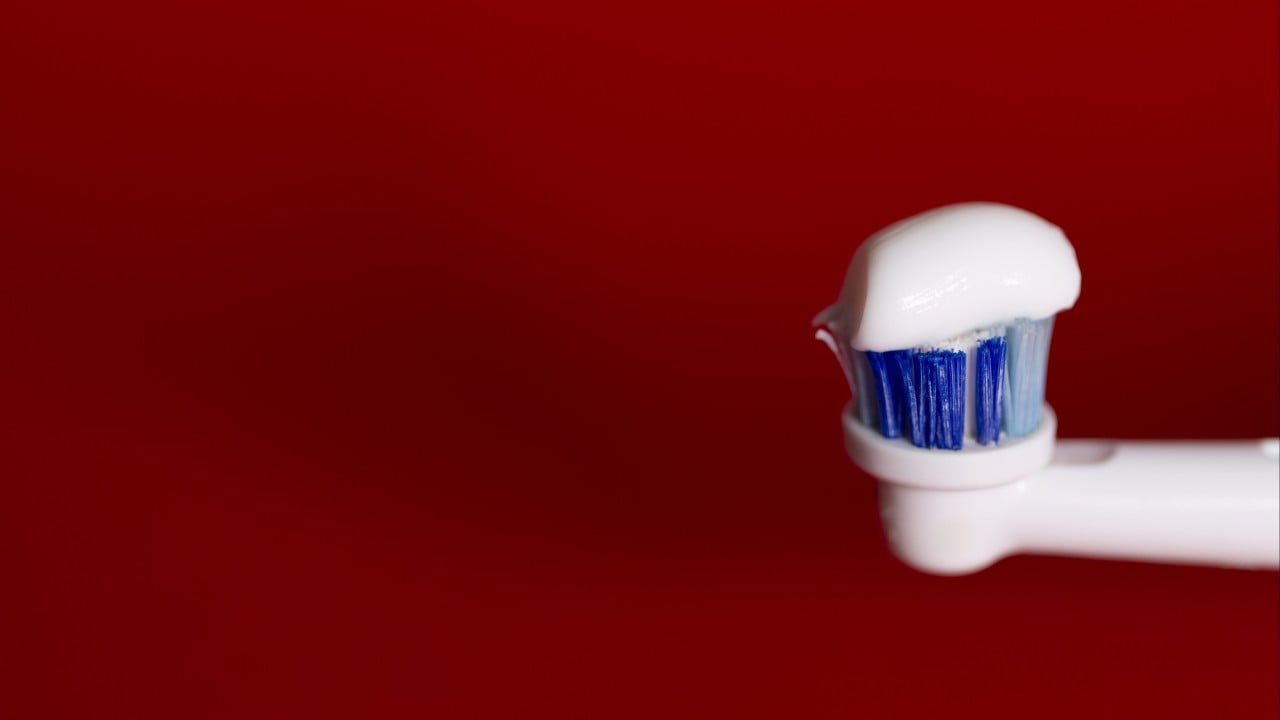
Researchers in China have decided to change the physics of dental care entirely. They developed a self-charging toothbrush that uses mild electric shocks to disrupt oral bacteria and significantly reduce plaque without relying purely on brute-force scrubbing.
The Science Behind the Shock
Electric currents inside the mouth sound intimidating, but the technology relies on controlled, micro-scale power generation. The self-charging devices convert kinetic energy from the user's brushing motion into tiny, safe electrical currents. These micro-currents are specifically engineered to target the electrochemical microenvironments where dental biofilms thrive.
Plaque isn't just a random collection of food particles. It's a complex, highly organized microbial community embedded in an extracellular polymeric matrix. Bacteria like Streptococcus mutans anchor themselves tightly to tooth enamel using electrostatic forces and surface proteins. By introducing a mild electrical charge directly into the brushing zone, researchers found they could disrupt the metabolic processes and adhesion capabilities of these microbial colonies.
Instead of waiting for bristles to physically dislodge every stubborn pocket, the electric field actively repels and destabilizes the bacterial biofilm.
How It Performs Against Conventional Brushing
Laboratory and clinical evaluations of these self-powered electric toothbrushes reveal notable performance advantages over standard manual and typical motorized brushes. Traditional nylon bristles struggle to reach deep into subgingival pockets safely without causing gum recession or abrasion over time.
The new self-charging electric design demonstrated superior cleaning efficacy in targeted gumline zones. While standard manual brushing handles flat buccal surfaces adequately, it routinely falls short in the narrow crevices beneath the gum margin. The micro-current mechanism assists in breaking down bacterial structures in these hard-to-reach areas, yielding lower residual plaque scores in trial environments.
Furthermore, because the device is self-charging through regular brushing kinematics, users don't need to constantly dock it to a charging base or worry about dead lithium-ion batteries mid-routine.
Overcoming Skepticism and Practical Hurdles
Anytime electricity and the human mouth are mentioned in the same sentence, safety concerns pop up immediately. Consumers worry about stinging sensations, nerve irritation, or galvanic shocks from metal dental fillings.
The research team designed the current output to remain well below human perception thresholds for discomfort while maintaining bioelectric disruption capabilities. It's not a taser for your molars; it's a subtle energetic nudge that interferes with bacterial cell membranes.
Manufacturing costs and commercial viability present the next real obstacles. Scaling a self-charging triboelectric or piezoelectric power-generation mechanism into a lightweight, waterproof consumer product requires precision engineering. Waterproofing electronics that generate their own power while submerged in saliva and toothpaste foam introduces significant design challenges for mass production.
What This Means for Your Future Bathroom Routine
Oral care technology has plateaued for decades. We've seen sonic vibrations, rotating heads, and smart app integrations that track how long you brush, but the fundamental mechanism of cleaning remained stuck on mechanical friction.
Adding bioelectric disruption shifts the paradigm from scraping bacteria away to actively neutralizing their ability to stick around. If commercial prototypes successfully transition to mass market shelves over the next few years, your morning routine might soon involve harnessing your own kinetic energy to zap microscopic dental threats away.
Start paying attention to bioelectric innovations in personal care. Traditional brushing isn't dead yet, but the physics of a clean smile are about to get a powerful upgrade.