Catching cancer early usually determines whether a patient survives or struggles through years of aggressive treatment. Yet, many of the deadliest types—especially abdominal cancers like pancreatic, liver, stomach, and ovarian tumors—hide behind vague, everyday symptoms that routinely fool doctors. When someone walks into a GP surgery complaining of persistent bloating, indigestion, or discomfort, a family doctor faces a frustrating guessing game. Most of the time, those complaints point to benign issues, but occasionally, they signal a fast-moving malignancy that is slipping past early detection.
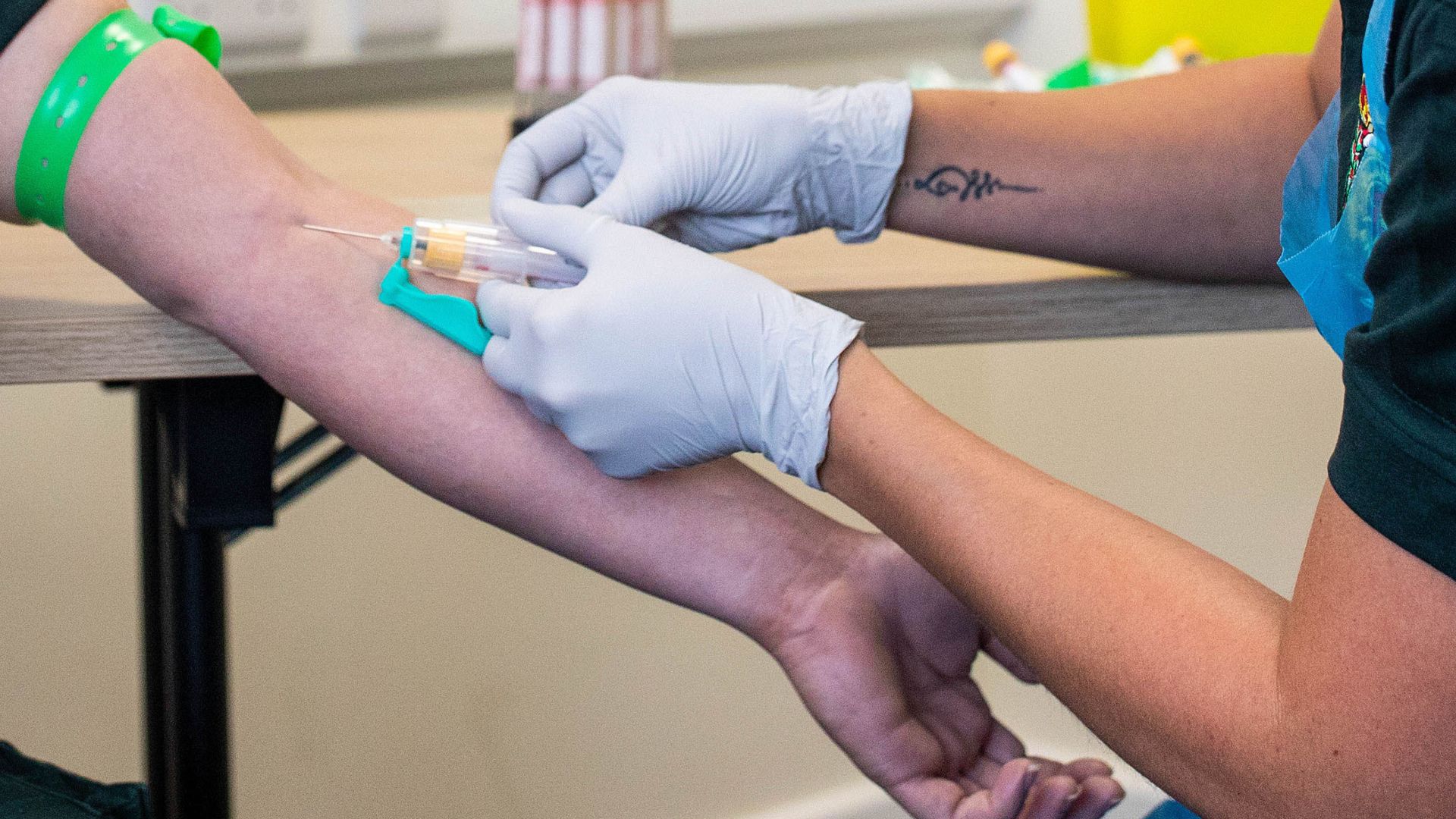
That diagnostic bottleneck is precisely what a major new NHS initiative aims to smash. More than 20,000 patients across 200 general practices in England are stepping up to participate in a world-first evaluation called the STRIDE-RCT trial. Instead of waiting for invasive scans or specialist hospital referrals that take weeks to schedule, these patients aged 45 and over are helping test four diagnostic blood tools designed to spot microscopic warning signs long before standard imaging catches them.
Inside the STRIDE-RCT Trial and the Four Diagnostic Tests
The trial isn't just throwing a single experimental tool at the problem. Researchers are putting four distinct blood-based technologies head-to-head: Enlighten, PinPoint, Signatera, and Halo. Each system looks for specific molecular footprints left behind by tumors in the bloodstream.
Halo, for example, analyzes single extracellular vesicles, which are microscopic particles that circulate at abnormally high levels in the blood even during the earliest phases of tumor growth. Other tests in the cohort target circulating tumor DNA fragments and specific protein biomarkers.
When a tumor develops, it sheds microscopic traces of genetic material and cellular debris into the blood vessels. Spotting these needles in a haystack of plasma has historically been exceptionally difficult. Today's molecular assays are sensitive enough to isolate these biological whispers and flag whether a patient requires an urgent oncology referral or can safely receive peace of mind without undergoing exhausting hospital queues.
Why Abdominal Cancers Are the Ultimate Diagnostic Nightmare
Figures from the Department of Health highlight a stark reality: roughly 71,000 people receive diagnoses for pancreatic, stomach, liver, ovarian, or bowel cancers across England every year, resulting in nearly 35,000 deaths. Abdominal cancers remain notoriously difficult to treat simply because they present silently. By the time distinct physical lumps or severe localized pain manifest, the disease has often advanced past the window for curative surgery.
GPs carry an immense burden here. If every patient experiencing mild abdominal bloating received an immediate CT scan or specialist referral, hospital imaging departments would collapse under the backlog within days. Conversely, telling every patient to simply go home and wait risks missing aggressive cancers in their infancy.
These blood tests act as an objective triage layer. Health leaders like Professor Peter Johnson, the NHS national clinical director for cancer, describe the evaluation as a potential revolution in clinical workflows. If a simple blood draw can accurately rule out malignancies in low-risk patients while fast-tracking high-risk individuals straight to imaging, the entire diagnostic pipeline changes overnight.
What Real Implementation Looks Like
We shouldn't expect instant overnight transformations across every surgery just yet. Health Minister James Frith noted that evaluating the findings from the STRIDE-RCT trial will take between 18 and 24 months. Researchers must meticulously track patient outcomes, measure false-positive rates, and confirm cost-effectiveness before the NHS commits to a widespread national rollout.
False positives present a genuine psychological and logistical hurdle. A test that frequently flags cancer where none exists will needlessly terrify patients and flood hospitals with unnecessary follow-up scans. That is why controlled trials involving tens of thousands of real primary care patients are non-negotiable. Real-world data exposes the flaws that clinical lab simulations miss.
Organizations like Cancer Research UK view these trials as a vital stepping stone toward smarter primary care. If you or someone you know falls into the eligible age bracket and visits a GP with persistent, unexplained abdominal discomfort, staying open to participating in clinical research initiatives helps build the evidence base for the next generation of healthcare.
Watch for the trial data over the next two years. The results will dictate whether liquid biopsies transition from futuristic science fiction into routine clinical reality for millions of patients.