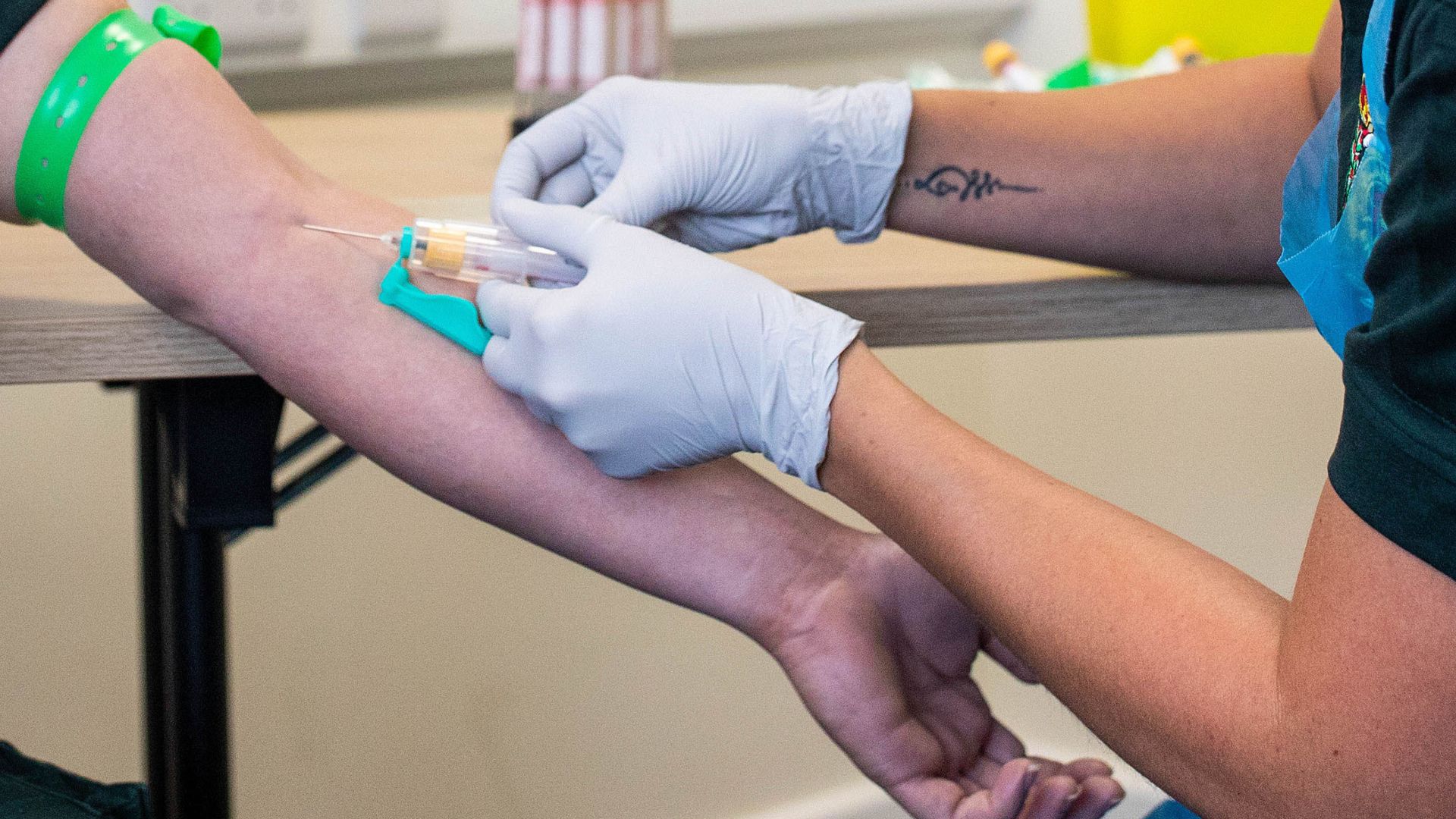
We spend decades planning how we want to live, buy homes, and manage our estates, yet we often leave our final moments entirely to chance. For a long time in Hong Kong, putting together an advance medical directive felt like navigating a bureaucratic obstacle course. You needed heavy paperwork, physical witness signatures from doctors, and a secure filing cabinet to make sure nobody lost your wishes. That system is finally getting an upgrade. Hong Kong residents will soon be able to draft and manage their end-of-life treatment refusals online, transforming a tedious legal chore into something accessible.
Cutting Through the Red Tape of Death and Dignity
The legal foundation changed when the Advance Decision on Life-sustaining Treatment Ordinance came into force, giving formal statutory backing to living wills and medical refusals. Before this framework, if you wanted to decline aggressive life support measures like mechanical ventilation or artificial nutrition in the event of an irreversible terminal illness, you faced a mountain of friction. Families often panicked during medical crises, and doctors defaulted to saving lives at all costs because verbal wishes or misplaced paper forms held little weight under pressure.
Moving the process into a digital format solves the storage and retrieval problem. Authorities confirmed that electronic versions will carry the exact same legal weight as traditional paper documents. If an emergency happens, medical teams won't have to hunt through desk drawers or wait for an estranged relative to fax a yellowed document. They can check the system.
What You Can Actually Refuse
People get confused about what an advance medical directive can and cannot do. This isn't about active euthanasia or assisted dying, which remains a completely separate legal topic. This is strictly about refusing unwanted, invasive interventions when you have zero chance of recovery.
When drafting your instructions online or through approved channels, you can specify boundaries for several medical procedures:
- Cardiopulmonary resuscitation (CPR)
- Mechanical respirators and artificial ventilation
- Artificial nutrition and hydration
- Other non-beneficial life-prolonging measures meant only to delay the dying process
The key rule is simple: you must create this directive while you still possess full mental capacity. You cannot write one after a neurodegenerative disease or stroke has robbed you of your decision-making abilities. Timing matters.
The Real Burden on Families
If you have never sat in a hospital waiting room while doctors ask whether they should hook a failing relative up to a machine for a few more weeks, you cannot understand the emotional weight. Families fracture over these choices. One sibling wants every possible intervention, while another knows Mom or Dad would have hated every second of it.
An explicit, legally sound directive removes that burden. It shifts the responsibility off grieving children or partners. Instead of forcing family members to guess or argue, the digital record speaks directly for the patient. Healthcare professionals receive clear legal protection to honour those wishes without fearing retrospective liability or family litigation.
Navigating the Digital Shift
While the upcoming online portal makes drafting and updating your choices easier, you still need to approach the process with care. Technical convenience doesn't mean you should rush through it. You need to talk to your primary doctor, understand the clinical definitions of terminal conditions, and ensure your witnesses meet the strict statutory criteria.
Do-not-attempt resuscitation orders handled via specific hospital channels might still rely on distinct verification formats, meaning the transition to a fully paperless medical ecosystem will happen in phases. Stay informed about how the health bureau integrates these files into platforms like eHealth.
Take control of your own narrative before a crisis forces someone else to do it for you. Review your options, speak with your family while everyone is healthy, and get your directives squared away.