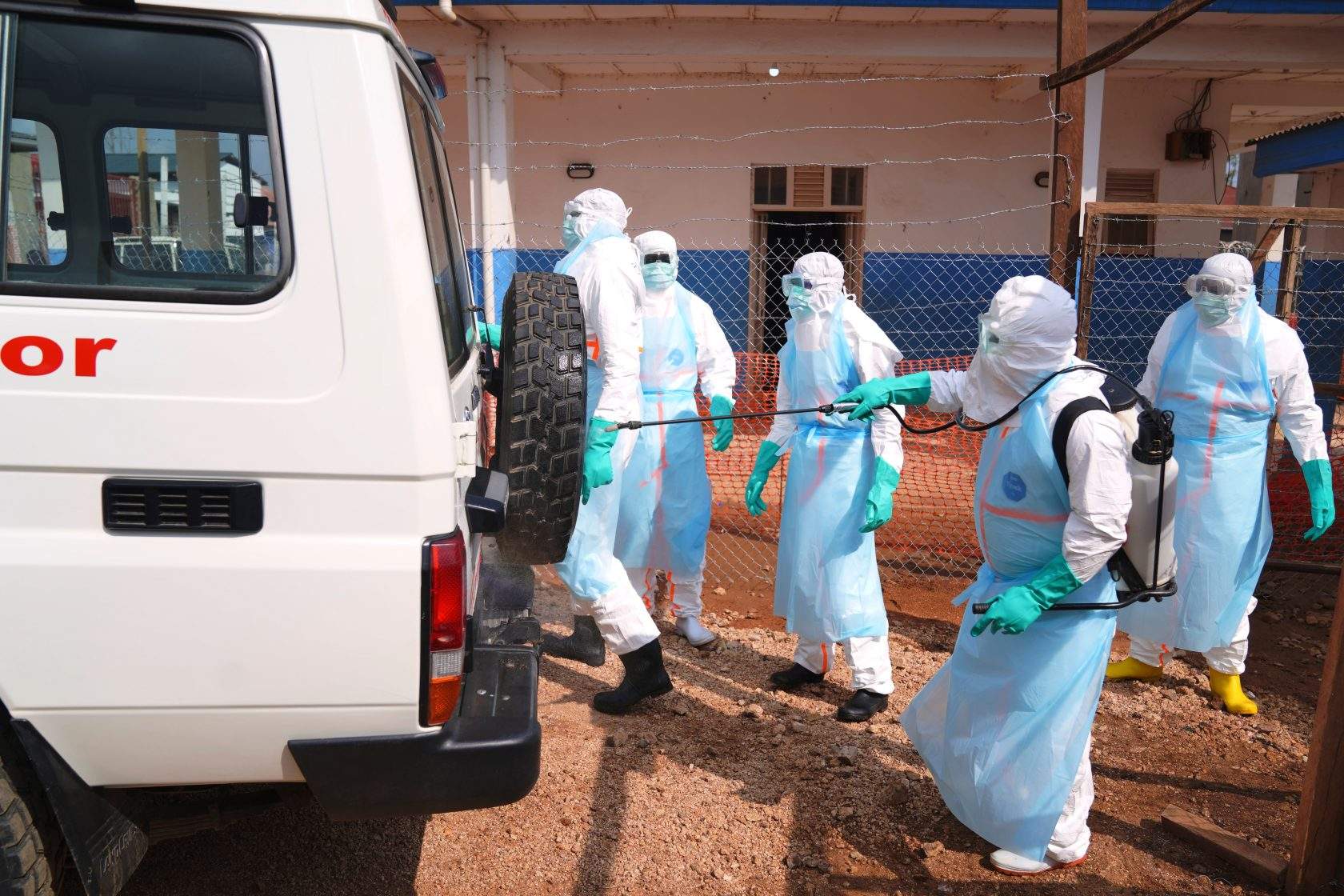
The numbers are terrifying. More than 2,000 people have died in the Democratic Republic of Congo's latest health crisis, and the virus is winning.
If you look at the trajectory of past outbreaks, the speed of this current emergency defies normal epidemiological patterns. Government data points to 4,381 confirmed cases, with 2,011 deaths logged. What makes this different? It's not just another medical emergency. It's a logistical nightmare fueled by a rare viral strain, active conflict zones, and systemic institutional delays.
Let's break down what's actually happening on the ground and why standard containment playbooks are failing.
The Invisible Head Start
Health authorities officially declared the outbreak on May 15. But viral sequencing tells a darker story. Genetic tracking shows the virus actually began circulating months earlier, back in February.
Because it first took root in one of the country's most remote regions, early patients suffering from the Bundibugyo strain were misdiagnosed. Local clinics initially attributed symptoms to malaria or typhoid. Standard diagnostic tools used in eastern Congo weren't geared to spot this specific variant right away. By the time anyone realized what was happening, the pathogen had a massive head start.
The acceleration is unprecedented. It took about nine weeks to reach the first 1,000 deaths. It took a mere three weeks for that grim tally to double. That velocity transforms standard contact tracing into an impossible guessing game.
Why the Bundibugyo Strain is a Worst Case Scenario
Most people remember the devastating 2014-2016 West Africa crisis. That outbreak involved a different strain, one for which medical science eventually developed approved vaccines and targeted therapeutics.
This time, the culprit is the rare Bundibugyo virus. There are no widely approved vaccines or frontline treatments ready off the shelf. Clinical trials for experimental vaccines and treatments have started in Ituri province, the epicenter. But trials take time. The virus does not wait for clinical phases to conclude.
To make matters worse, the case fatality rate sits at roughly 45.9%. Patients are showing up at treatment centers far too late, or avoiding them entirely due to deep-seated community mistrust and logistical roadblocks.
Conflict, Strikes, and Broken Infrastructure
You can't talk about public health in eastern Congo without addressing the security reality. Active rebel groups control parts of the mineral-rich region. Bad roads turn supply delivery into a grueling multi-day ordeal.
Aid workers face constant hazards, and treatment facilities have occasionally faced local pushback born of fear and misinformation. Compounding the physical danger is an administrative crisis. Many local health workers went on strike over unpaid wages. When frontline responders aren't paid, surveillance collapses.
The World Health Organization has warned that the vast majority of new cases are popping up completely outside of monitored contact lists. When health agencies are left chasing infections rather than anticipating them, containment breaks down completely.
What Needs to Happen Now
Stopping the second-largest Ebola outbreak in history requires a radical shift in strategy. Local clinics need immediate financial backing to ensure health workers stay on the job without interruption. Experimental vaccine trials must scale up aggressively to protect frontline populations before the virus stretches across international borders.
Governments and international bodies cannot rely on old frameworks built for different regions and different viral strains. The crisis in Congo demands direct, immediate intervention focused on community engagement, security corridors for medical teams, and fast-tracked deployment of experimental doses.
No one is safe until the response actually matches the speed of the pathogen.
Congo Ebola outbreak death toll update
This video provides an up-to-date look at the accelerating Ebola outbreak in the Democratic Republic of Congo and the international response efforts.
http://googleusercontent.com/youtube_content/1