The human brain contains roughly eighty-six billion neurons, firing electrical signals in patterns so complex we barely understand them. For decades, neuroscientists tried to map this chaos using crude tools. They used electricity to zap brain tissue or chemicals to alter neural firing, but these methods were like trying to fix a pocket watch with a sledgehammer. You could turn things on, but you could never target a single gear.
Then came optogenetics.
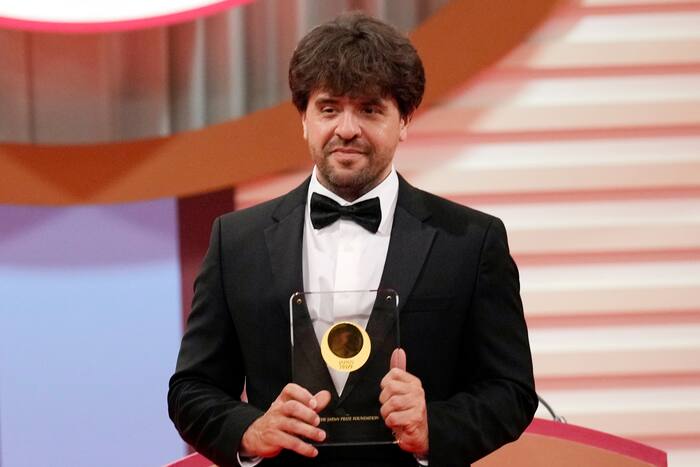
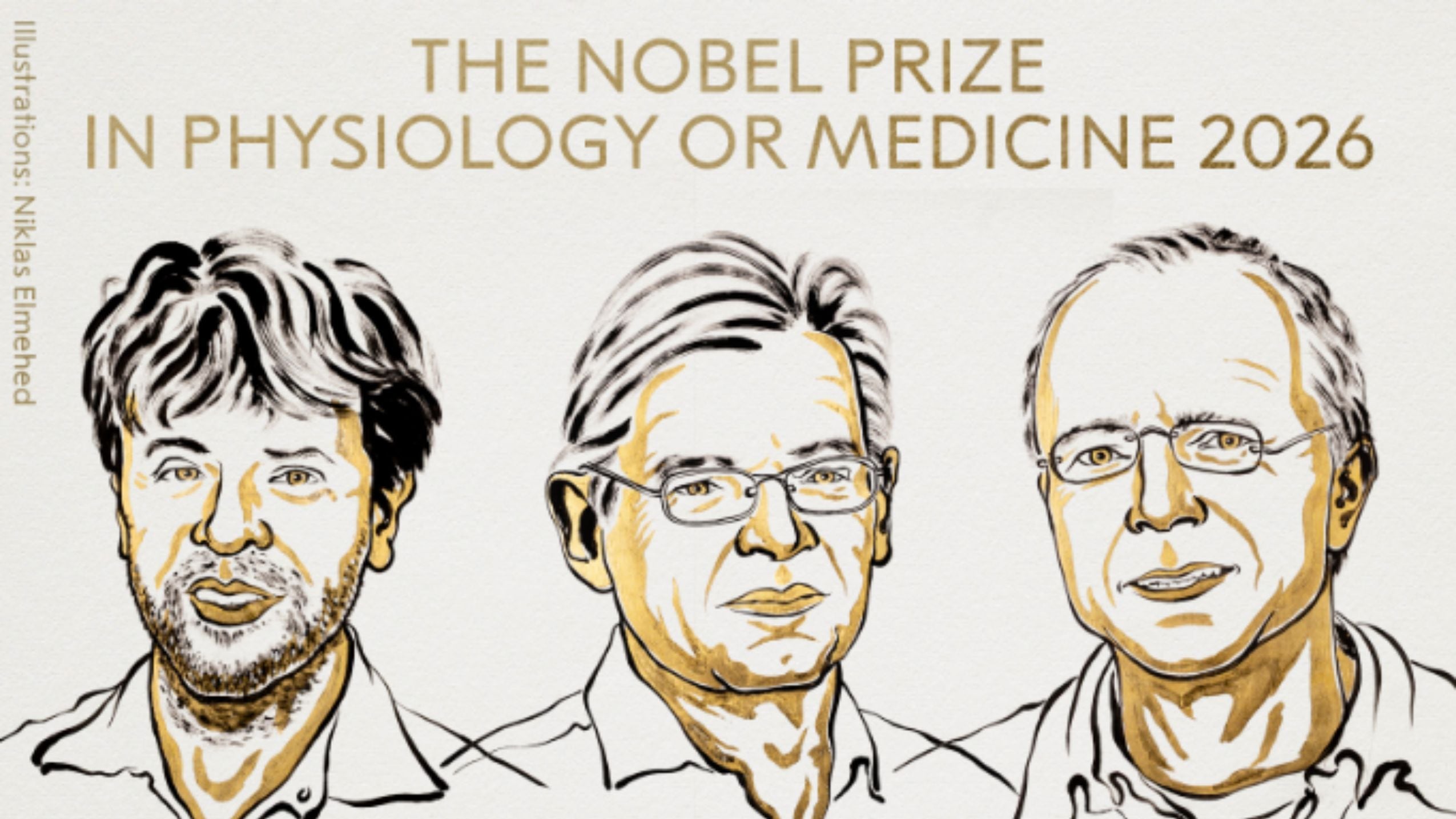
Karl Deisseroth, Peter Hegemann, and Georg Nagel changed the entire trajectory of neuroscience. Their groundbreaking research into light-gated ion channels earned them the Nobel Prize in Medicine, announced at the Karolinska Institute in Stockholm. If you have ever wondered how modern science plans to cure neurological disorders, this breakthrough is the exact starting point.
The Wild Idea That Actually Worked
Back in the early 2000s, the idea of shining a laser beam into a living brain to control behavior sounded like science fiction. Most traditional biologists thought it was completely impractical. Neurons are not naturally sensitive to light. You cannot just flash a red or blue light at a brain cell and expect it to fire.
Hegemann and Nagel looked at single-celled green algae. They discovered channelrhodopsins—specialized microbial proteins that act as tiny gates. When hit by light, these gates open up, letting ions rush across cell membranes.
Deisseroth took that fundamental biological discovery and applied it to mammalian neuroscience. By taking the gene for these light-sensitive proteins and inserting it into specific mouse neurons, his lab managed to make brain cells respond directly to fiber-optic light pulses.
Suddenly, researchers had a remote control for the brain.
Why Traditional Neuroscience Fell Short
Before optogenetics, scientists relied heavily on electrical stimulation. If you put an electrode into the brain to study Parkinson's tremors or depression, you activate every single cell, fiber, and pathway surrounding the tip of that metal needle. It is messy. You stimulate the good circuits and the bad circuits all at the same time.
Optogenetics solved that specificity problem overnight.
If you want to know what a specific cluster of fifty neurons in the hippocampus does, you tag only those cells with the light-sensitive channel. When you shine light down an implanted fiber, only those exact cells fire. You can switch specific behaviors on and off like flipping a light switch in your living room.
Scientists have used this technique to erase fear memories in mice, restore movement in paralyzed limbs, and map the neural circuits responsible for addiction.
The Real World Impact Beyond the Lab
Nobel prizes usually go to theoretical work that takes generations to matter. Optogenetics moved at lightning speed. While human trials using microbial gene therapy and optical implants are still in early phases, the roadmap is clear.
Researchers are currently looking at ways to restore lost vision by inserting these light-gated channels into retinal cells that have lost their natural photoreceptors. Imagine a person with macular degeneration regaining sight because engineered eye cells can now respond directly to everyday light.
Parkinson's disease treatments are also getting an upgrade. Current deep brain stimulation uses constant electrical jolts. Future iterations could use light-responsive therapy to correct erratic motor circuits only when symptoms actually flare up.
What Most People Get Wrong About Optogenetics
People often assume we will all have fiber-optic cables drilled into our skulls next Tuesday. That is not happening. The technique requires genetic modification of specific neural populations, which means safety and delivery mechanisms must be bulletproof before widespread human application becomes routine.
Viral vectors are used to carry the light-sensitive genes into target tissue. Ensuring those vectors stay put and only affect the intended cell types is a massive technical hurdle. Safety standards in gene therapy are strict for a reason. One mistake means altering parts of the brain that control vital autonomic functions like breathing or heart rate.
Yet, the fundamental science is secure. Deisseroth, Hegemann, and Nagel built a bridge between optics and genetics that nobody else thought was possible.
The human brain is no longer a complete black box. We finally have the tools to read the code and flip the right switches.