When a government trades human freedom for economic relief, everyone wants to know if it's real diplomacy or just a high-stakes shell game. Belarus recently freed 25 political prisoners after months of intense back-and-forth negotiations with Washington. In return, the United States lifted economic penalties on two Belarusian companies.
If you are trying to figure out whether this marks a turning point for Eastern European politics or just another temporary maneuver by an entrenched regime, you have to look past the political theater. Let's break down what's happening behind closed doors in Minsk and Washington. Also making headlines in related news: Why Washington Is Sitting Out The New Yemen Conflict And Leaving Riyadh Exposed.
The Mechanics of the Deal
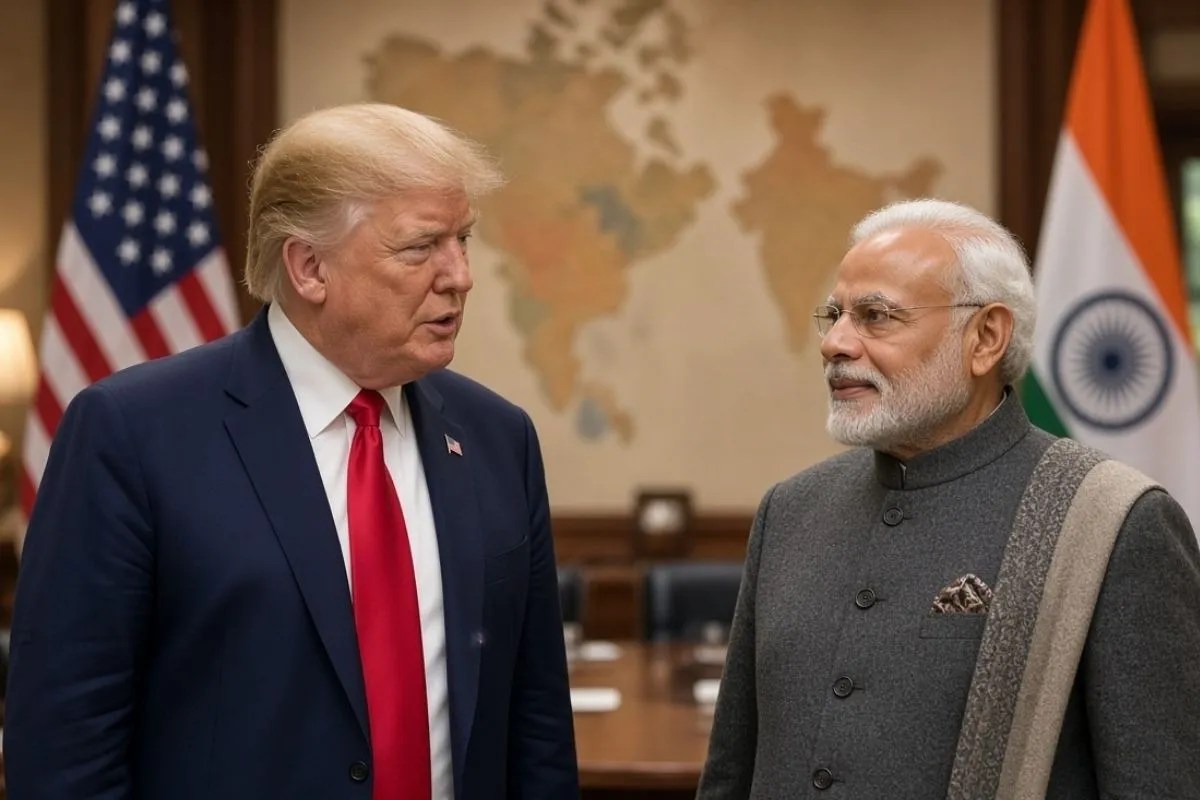
U.S. special envoy John Coale flew to Minsk and hammered out an interim agreement with Belarusian President Alexander Lukashenko. The math of this arrangement is straightforward. Belarus releases 25 individuals who were locked away for opposing the state, and Washington drops financial restrictions on two specific commercial entities.
Yet, this number feels tiny compared to previous negotiations. Earlier deals saw hundreds of detainees released at once, including a massive release of 250 prisoners secured back in March. Coale himself noted that this latest batch is an interim step. Both governments intend to keep talking to pave the way for future releases and additional sanctions relief. More information on this are covered by USA.gov.
Why Lukashenko Is Playing Ball Now
Lukashenko has held power in Belarus for over three decades, surviving massive protests following the contested 2020 presidential election. His survival strategy has always relied on tight internal control coupled with tight alignment with Moscow. So why is he trading political prisoners for a piece of sanctions relief?
The answer comes down to economic pressure. Western restrictions bite hard, especially when they target key export sectors and state financial institutions. Lukashenko has publicly signaled that he is open to a "deal big or small," making it clear that he wants further relief, including pathways to export Belarusian fertilizers back to Western markets.
Releasing prisoners functions as a direct currency for this leader. Whenever Minsk needs a bit of breathing room from international isolation, human capital gets used as a bargaining chip.
The Skepticism From the Opposition
Exiled opposition leaders aren't popping champagne bottles over this news. Figures like Sviatlana Tsikhanouskaya recognize the humanitarian victory for the families of the 25 people who walked free, but they warn against falling into a trap.
The underlying reality is stark. According to human rights organizations like Viasna, hundreds of political prisoners remain behind bars in harsh penal colonies. Crackdowns on civil society, journalists, and activists haven't stopped just because a small fraction of detainees received pardons. Critics argue that easing sanctions too quickly rewards a regime that continues its domestic repression while propping up Russia's war machine in Ukraine.
What Comes Next
Diplomatic channels remain open, but the path forward looks messy. Washington wants more people freed, while Minsk wants more financial breathing room. You can expect more incremental trades in the coming months as both sides test each other's limits.
Keep an eye on whether future negotiations manage to dent the hundreds of remaining political cases, or if this transaction model hits a hard ceiling. Real systemic change in Belarus remains a distant prospect, no matter how many interim deals get signed in Minsk.