King Oyo Nyimba took the throne of Uganda's Tooro Kingdom at just three years old, mesmerizing global leaders like Nelson Mandela while wearing oversized royal robes. Decades later, his sudden death at 34 from cancer hasn't just left a grieving nation—it has blown open a vicious succession war.
If you think traditional monarchies in the modern world are just polite figureheads who cut ribbons and stay out of trouble, the chaos in Fort Portal right now proves otherwise. The scramble for the throne exposes deep rifts between traditional elders, grieving family members, and social media rumor mills.
Inside the Battle to Succeed King Oyo
The core dispute centers on a fundamental question: Who actually speaks for a dead king?
King Oyo died unmarried and without officially declaring an heir to the Babiito, the kingdom's ruling clan. That vacuum created immediate friction. While elders from the ruling clan insisted no official heir had been named to them, other factions claimed the late monarch left behind an unpublicized son born out of wedlock.
Social media quickly turned into a free-for-all. Anonymous accounts pushed sensational claims about multiple hidden heirs. Meanwhile, a committee of Tooro elders bypassed the immediate family entirely. They announced they had chosen a prince who works as a journalist to take the crown.
That move blew the lid off the transition.
King Oyo's sister, Ruth Komuntale, publicly condemned the announcement, arguing it was designed to trigger division and turmoil. The Queen Mother, Best Kemigisa, pleaded for restraint while bodies were still cold. Her message was blunt: let us bury my son first, fight over the crown later.
The Weird History of Uganda Restored Kingdoms
To understand why people are fighting so hard over a throne with zero formal political power, you have to look at Uganda's unique legal and cultural landscape.
Post-independence governments banned traditional kingdoms entirely, viewing them as threats to a unified republic. But cultural roots run deep in East Africa. In 1993, the government reinstated these ancient institutions under strict constitutional rules. Kings and traditional leaders cannot hold political office or engage in partisan politics.
Yet, their cultural authority is immense. They serve as spiritual guardians, identity anchors, and moral compasses for millions of subjects. When a monarch like Oyo passes away young, the panic goes beyond family loss—it hits the core of tribal identity.
Adding to the complexity, the family maintains that King Oyo left a formal will that the traditional elders deliberately ignored. That legal angle means this dispute might bypass tribal councils altogether and end up in civil courts.
What Happens Next for the Tooro Kingdom
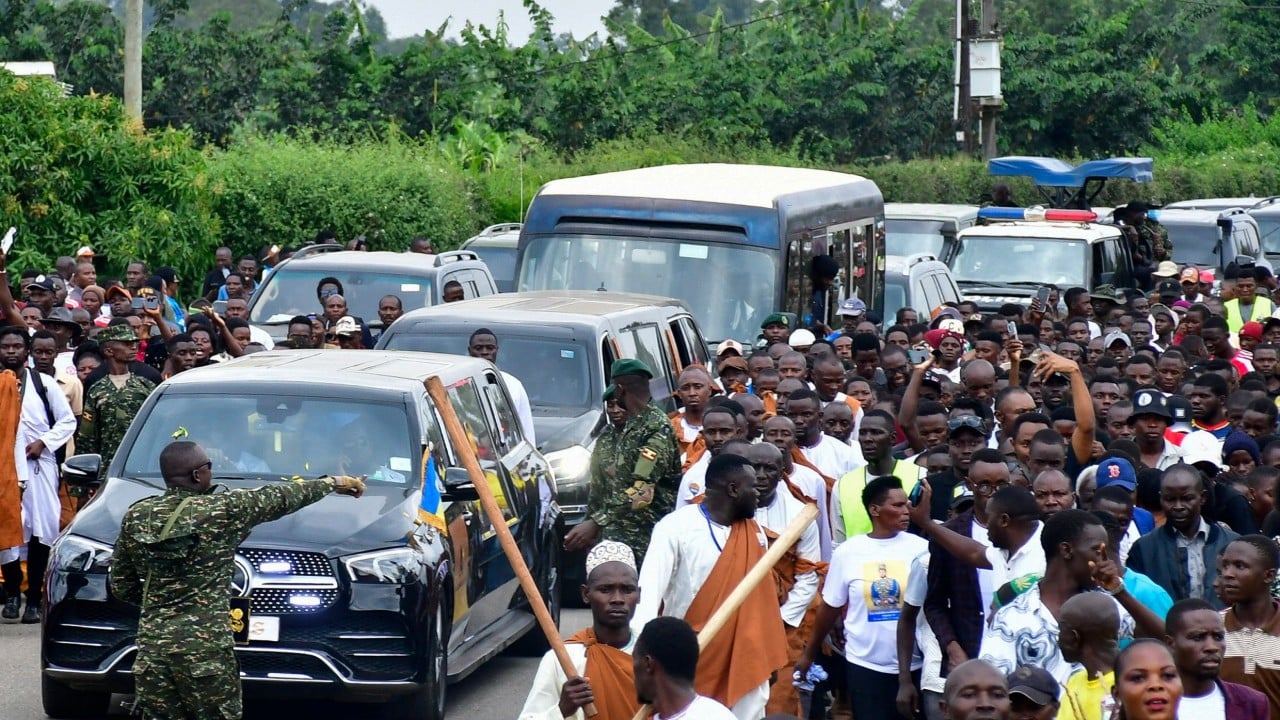
The funeral in St John's Cathedral concluded a tense nine-day mourning period, but the peace won't last. Tradition requires specific rituals during a royal transition, including a coming-of-age style rite where the new successor interacts directly with ancestral tombs. With rival claimants and warring factions pointing fingers, even executing these ancient ceremonies safely becomes a logistical nightmare.
Traditionalists want an adult on the throne to steer the kingdom through modern economic and social pressures. Close relatives want respect for the late king's personal estate and documented wishes.
The courts will likely have to untangle the validity of the disputed will. Until a judge steps in or the Babiito clan reaches a forced consensus, the Tooro Kingdom remains suspended in a dangerous political limbo.
Check local legal filings regarding the contested royal will if you want to track how traditional law and state judiciary systems collide in East Africa. Watch the succession committee's next moves closely. This fight is far from over.