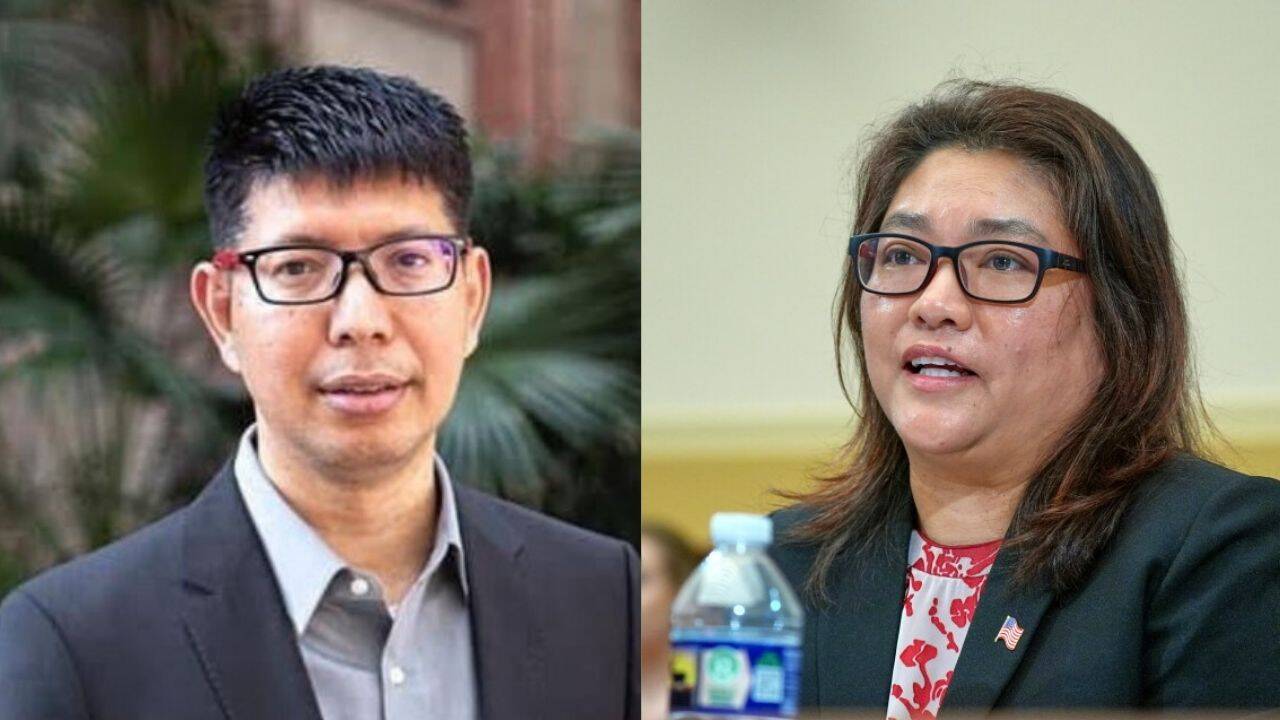
Diplomacy is messy, but nothing brings the human cost of geopolitical friction into sharp focus quite like a desperate family member testifying on Capitol Hill. When Sylvia Zin stepped in front of lawmakers to plead for her husband, she wasn't just talking about an academic workshop gone wrong. She was putting a human face on a growing crisis that the upcoming White House summit simply cannot ignore.
Her husband, U Min Zin, traveled to Kunming, China, in June for an academic event. He never made it back. Instead, the head of the Myanmar Institute for Strategic and Policy Studies vanished into China's legal system, later hit with national security charges. Sylvia hasn't heard his voice since. She relies entirely on monthly consular visits just to confirm he is still alive, surviving in a tiny cell where the lights stay on twenty-four hours a day.
Min Zin is now one of two US citizens designated as wrongfully detained by the State Department in China. The other is seismologist Youlin Chen, who has been imprisoned for nearly two years. These designations aren't just bureaucratic labels. They hand the cases over to the US Special Envoy for Hostage Affairs, pumping state resources and high-level political muscle into the fight for their release.
The White House Summit Pressure
President Donald Trump is set to host Chinese President Xi Jinping soon. Families of detained Americans aren't waiting in the shadows. They are flooding Washington to make sure human rights and individual liberty stay at the very top of the agenda. Alongside Sylvia Zin, the son of imprisoned Hong Kong media mogul Jimmy Lai has also pressed lawmakers to secure his father's release on humanitarian grounds.
Trump has walked this road before. During past interactions with Xi, he raised Lai's case, only to be told it was a tough file to crack. Yet pressure works when applied correctly. Trump previously pressed Beijing over the detention of Chinese pastor Jin Mingri, who walked free just two months after the request. That track record gives families like the Zins a sliver of hope that a direct word from the Oval Office could pry open a cell door.
What Detained American Families Face Behind Closed Doors
Most people don't understand the psychological warfare of foreign detentions. You get silence. Then, months later, you get a four-hour interrogation summary delivered by a US consular official.
- Isolation: Prisoners often face hours of daily questioning during initial phases.
- Sensory Deprivation: Constant illumination in holding cells breaks down detainees mentally.
- Bureaucratic Black Holes: National security laws in China grant authorities sweeping powers with minimal transparency.
Families live in a permanent state of limbo. Sylvia admits she tries to stay strong for their daughter while wondering every single day if her husband is hanging on. It is a grueling, exhausting ordeal that plays out far away from the flashing cameras of standard geopolitical summits.
The Broader Geopolitics of Hostage Diplomacy
Let's be real. When superpowers trade barbs over trade, tariffs, and regional security, individual prisoners often become leverage. Beijing views foreign researchers through a paranoid lens of national security and espionage prevention. Academia has paid a steep price. Scholars who spent decades building bridges between nations now find that an ordinary conference invitation can turn into a one-way ticket to a detention facility.
The US government has to balance economic warfare, regional deterrence, and consular protection all at once. But when a spouse stands up in Congress and demands that a sitting president look a visiting dictator in the eye and ask for her husband back, the abstract concept of foreign policy turns intensely personal.
Resolving wrongful detentions remains a declared top priority for the White House, according to senior officials. Actions speak louder than press releases. If Trump actually forces the issue during his upcoming sit-down with Xi, it will set a vital precedent for every other American family trapped in the nightmare of foreign imprisonment.
Don't look away from the human toll of these summits. Pay attention to who gets named, who gets left out, and whether Washington has the teeth to bring its citizens home.