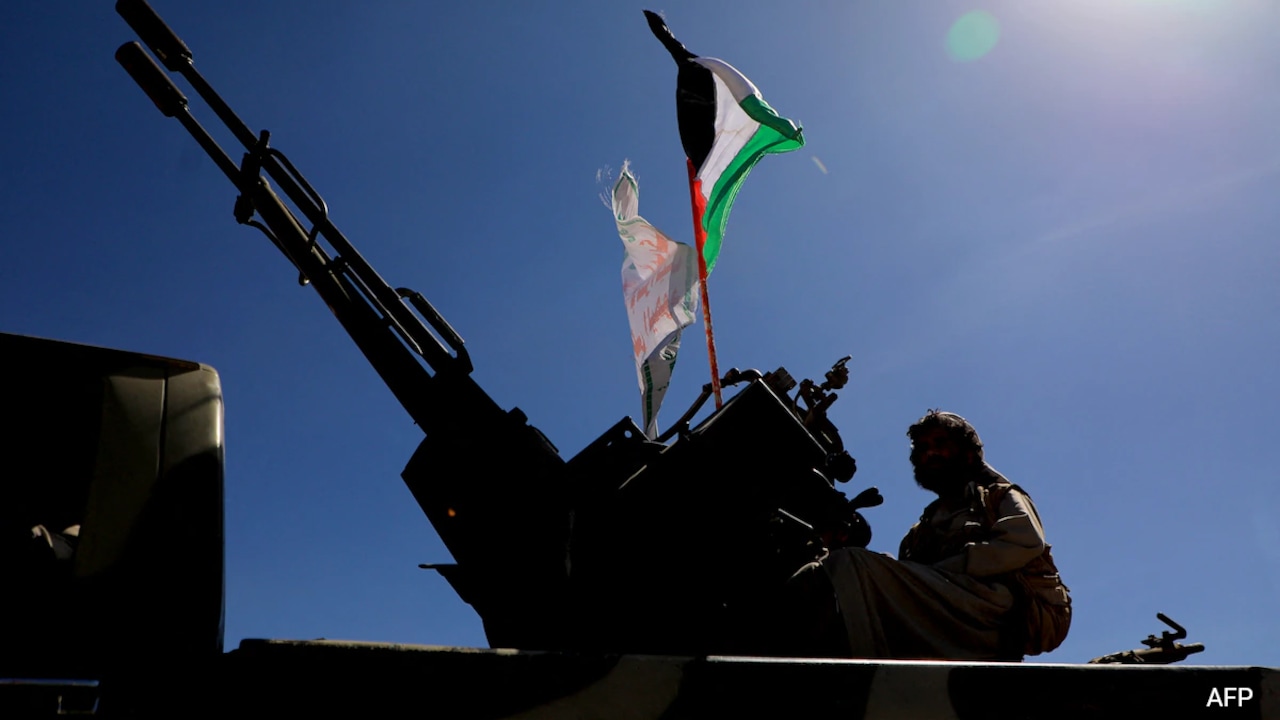
The quiet truce is officially dead. When Houthi forces targeted the Sharurah military base in southern Saudi Arabia using a coordinated wave of drones and missiles, they didn't just rattle a border post. They shattered years of fragile calm, plunging the region back into an active war that nobody wanted to see return.
If you've been following Middle Eastern geopolitics, you know the 2022 ceasefire felt like a permanent fixture. It wasn't. Fighting roared back to life in July, and the recent strike on Saudi infrastructure proves the conflict is expanding outward rather than cooling down.
What Actually Happened at Sharurah
Houthi military spokesman Yahya Saree didn't hide the intent. The operation targeted weapons depots and command centers at the Sharurah facility, aiming directly at the infrastructure Riyadh uses to back Yemen's internationally recognized government.
Saudi authorities confirmed that a projectile landed near the border, injuring two people and tearing through a local mosque and nearby civilian vehicles. But the missile strike on a military base is only half the story.
The real strategic earthquake happened on the water.
The Battle for the Red Sea Chokepoint
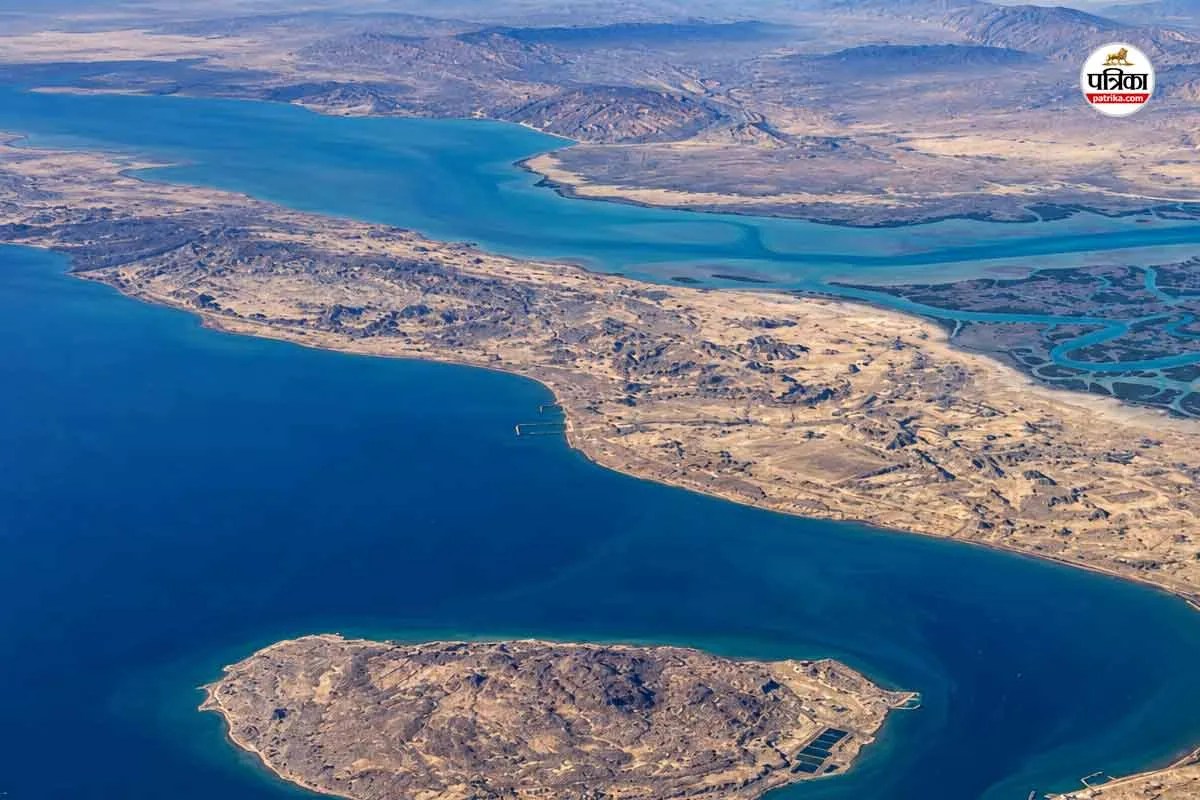
Before this missile attack, the Houthis captured the remainder of Yemen's Red Sea coast, including strategic islands and the vital port of Mocha. They now hold the keys to the Bab al-Mandab Strait.
Why does that matter to you? Because oil shipping routes are shifting.
With Iran largely blocking shipments through the Persian Gulf's Strait of Hormuz, Saudi Arabia relies heavily on its Red Sea ports to pump oil to global markets. Now, the Houthis have declared their own maritime blockade on those exact ports.
When a militant group controls a critical global shipping chokepoint, supply chains feel the immediate shockwaves. Prices react. Shipping insurance spikes. It's a textbook example of how localized fighting quickly morphs into an international economic headache.
Why Washington Said No
Behind closed doors, high-stakes diplomacy is failing. Reports indicate Saudi Crown Prince Mohammed Bin Salman pressed the White House twice last week to launch fresh American airstrikes against the Houthis.
President Donald Trump turned him down.
Trump publicly acknowledged speaking with the Saudi leader, while noting that the Houthis had also reached out to say they "don't want to fight with us." While Washington ran a lengthy bombing campaign against them in 2025, the appetite for a brand new military intervention in Yemen is sitting near zero right now. Trump brushed off reporters by saying "everything's gonna work out fine and dandy," but on the ground in Yemen, reality looks entirely different.
The Human Cost Nobody Talks About
While diplomats talk on phones, ordinary families pay the price.
The renewed conflict has already killed more than 500 people. According to the United Nations migration agency, 76,000 people have fled their homes since July alone—with that displacement figure quadrupling in just a single week.
Families are escaping with nothing. Residents like Saddam Ali packed eleven children into a single pickup truck and fled Al-Waziyah, only to find that destination cities like Aden have zero empty houses or shelters left. When the Houthis broadcast evacuation orders telling residents to scatter within thirty minutes, survival becomes the only objective.
Over 1,400 people have crossed the sea into Djibouti just to find safety.
What Comes Next
The Houthi movement is feeling emboldened. In Sanaa, they celebrated by releasing 210 prisoners who had spent up to eight years behind bars. At the same time, Saudi warplanes continue retaliatory airstrikes across Houthi-held territory.
This conflict isn't winding down. Riyadh is trapped between defending its borders from drone attacks and trying to prop up a fractured Yemeni government that keeps losing ground.
Keep a close eye on Red Sea shipping rates and oil futures. The ripple effects of this escalation are only just beginning to hit the global economy.