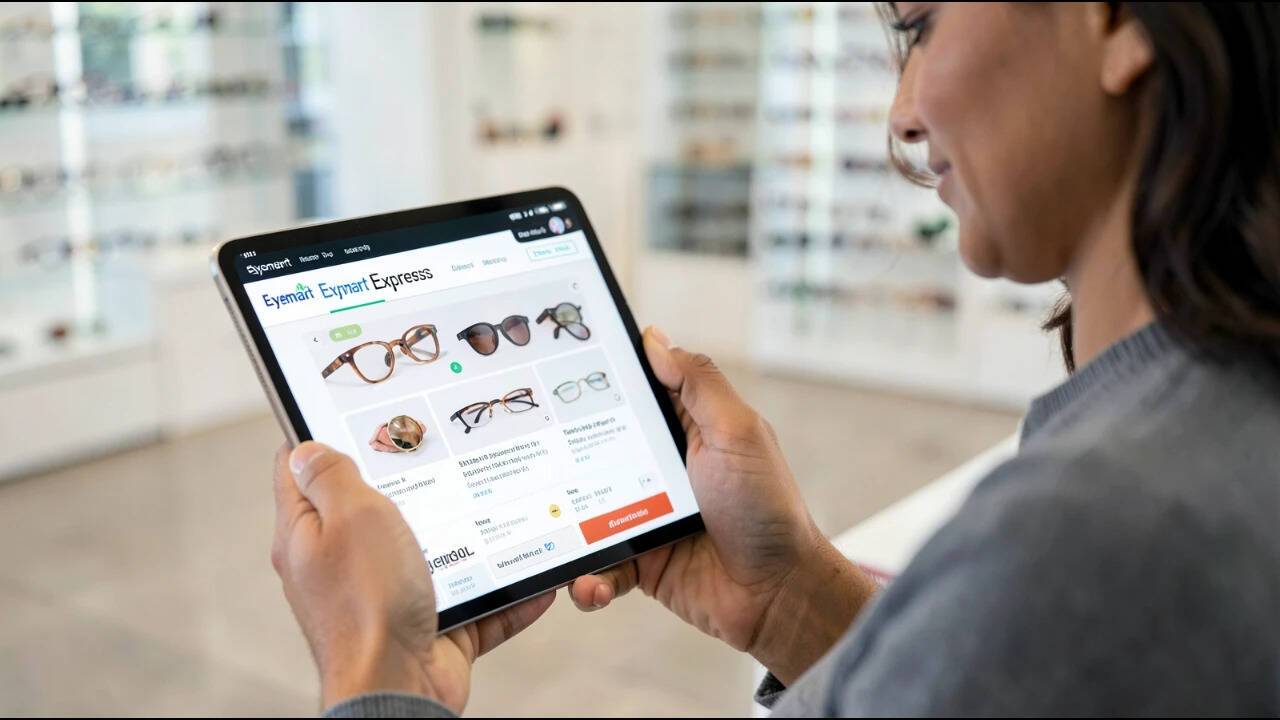
Most people think booking an eye exam or shopping for prescription lenses online is a private transaction between buyer and seller. You pick your frames, input your vision metrics, and check out. You rarely stop to think about the invisible tracking code embedded in the background of the page.
When the US Court of Appeals for the Fifth Circuit revived a major class-action privacy lawsuit against eyewear retailer Eyemart Express, it sent a shockwave through the digital retail sector. Five Facebook users filed the lawsuit, known as Rand v. Eyemart Express, after discovering that tracking tools like the Meta Pixel allegedly transmitted their prescription-eyewear searches, personal health details, and appointment scheduling data directly to Meta without their explicit consent. A federal judge in Dallas initially threw the case out, but the appeals court completely reversed that decision.
This ruling does not mean the retailer has been found guilty yet. It means the lawsuit is alive, kicking, and heading back to district court for discovery. More importantly, it signals a massive shift in how courts view medical data tracking on everyday e-commerce websites.
What Actually Happened on the Retailer Website
If you look at how modern websites operate, tracking tools are everywhere. Retailers use tracking pixels to figure out what customers click, what products they look at, and how they navigate a store online. This helps companies run targeted ads and see if their marketing campaigns are working.
The problem starts when standard retail tracking collides with sensitive healthcare data. According to court documents in the Eyemart Express case, users alleged that the site captured their eye-exam scheduling activity and prescription-related searches. Because these users already had Facebook accounts, Meta could map that browsing data directly to their real-world identities.
Think about what that means. You search for progressive lenses or book an appointment to check for a degenerative eye condition. Seconds later, a tech giant links that medical interest to your personal social media profile. Lower courts previously dismissed these types of claims by arguing that looking at glasses online doesn't automatically mean health details were shared. The Fifth Circuit tossed that narrow logic aside, ruling that lower courts made improper assumptions in favor of the business rather than the consumer.
Why the Legal Stakes Are Skyrocketing
Data privacy litigation is moving past generic cookie banner complaints. Plaintiffs are aggressively targeting websites that cross the line between standard consumer goods and medical or health services.
When you buy shoes online, tracking your size preferences feels harmless. When you buy prescription medical devices or schedule an eye exam, the law views that data through a much stricter lens. Federal wiretap laws, state-level eavesdropping statutes, and privacy breaches are becoming the primary weapons for consumers fighting back against invisible data collection.
Companies love to argue that small snippets of code don't reveal individually identifiable health information. Judges are starting to see right through that defense. If a piece of tracking code connects an exact prescription search or a doctor appointment to a named profile, privacy advocates argue a clear boundary has been crossed.
The Broader Fallout for Online Retailers
Digital marketing teams are scrambling. For years, relying on third-party tracking scripts like the Meta Pixel was standard practice across almost every major retail sector. Brands didn't build custom analytics from scratch; they dropped a line of code provided by social media platforms and let it track everything.
Now, online retailers face a brutal reality check. If your website sells anything remotely health-adjacent—ranging from contact lenses and prescription glasses to vitamins and orthopedic supports—your tracking infrastructure is a massive legal liability.
Retailers are learning that burying vague data collection policies inside a fifty-page terms of service agreement doesn't cut it anymore. Courts expect transparent, active consent when handling information that touches on personal health. If you don't clearly tell customers what is being tracked and who receives it, you might find yourself defending a federal class action.
What You Can Do to Protect Your Digital Privacy
You cannot completely stop websites from attempting to track your activity, but you can drastically cut down how much data follows you across the web.
- Install robust privacy-focused browser extensions that block hidden tracking pixels and scripts before they load.
- Use separate browser profiles or anonymous browsing modes when researching medical conditions, prescription details, or health services.
- Review your social media off-platform tracking settings to limit how much external web activity tech companies can tie back to your main account.
- Opt out of cookie tracking banners explicitly instead of clicking accept by default.
The legal battle over eyewear data sharing is just getting started. As courts continue to dismantle weak defenses from corporate tech compliance teams, expect more privacy lawsuits to claw their way back from dismissal. Stop assuming your digital footprint stops at the checkout page.