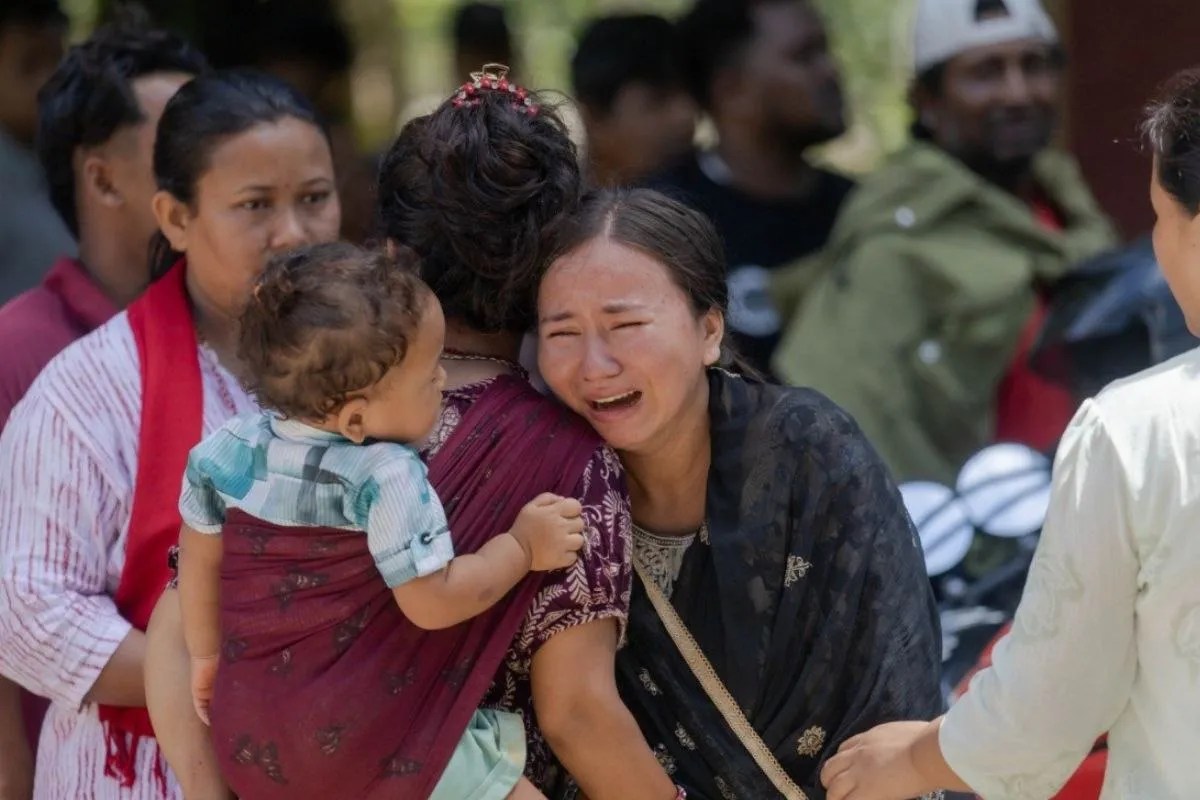
Festivals are supposed to be loud, bright, and crowded with family. But this year, Rakshabandhan in Nepal looked entirely different. There were no sweets passed around or laughter echoing through homes. Instead, a heavy, suffocating silence hung over streets choked with debris and mud.
When cloudbursts and relentless rain trigger massive flash floods and landslides, nature doesn't care about your cultural calendar. It sweeps away homes, bridges, and lives in a matter of minutes. The scale of the recent catastrophe in Nepal is staggering, yet the raw, human stories behind the statistics reveal the true cost of climate neglect in the Himalayas. Meanwhile, you can read similar stories here: What The Media Missed About The Devastating Nepal Flash Floods.
A Festival Built on Grief
Picture the scene. It is the day of Rakshabandhan, a time when brothers traditionally travel to protect and celebrate with their sisters. In many households across Nepal, brothers did make the journey, but not to tie threads or celebrate. They came to dig through knee-high mud, looking for surviving belongings.
Take the case of Dhenuka, a resident living alone with her young children while her husband works abroad. When the waters surged, her home filled with thick slurry. Her brother, Basant, rushed to her side as soon as roads cleared. There were no gifts exchanged. There was only a shovel, a destroyed living room, and the quiet comfort of family survival. To see the bigger picture, check out the detailed report by Al Jazeera.
Stories like this echo across entire valleys. People aren't just dealing with property damage; they are picking up the pieces of an entirely rewritten reality.
The Grim Reality of the Numbers
It's easy to look at headlines and glaze over numbers, but the scale of this disaster demands attention. Official reports and local authorities indicate that the death toll has climbed past 550 confirmed fatalities. More critically, nearly 1,900 people remain missing, swallowed by mudslides or swept down swollen rivers.
Search and rescue teams, including specialized military units and aviation squads like those spearheaded by veteran pilots, have managed to pull over 3,700 people to safety. Yet, rugged terrain and ongoing weather hazards mean many remote mountain hamlets remain completely cut off.
Why This Disaster Keeps Getting Worse
If you think a flood is just water that rises and recedes, you're missing the broader ecological breakdown happening in the Himalayan region. Nepal's current crisis isn't an isolated rainstorm; it's a multi-layered geological emergency.
First, glacial melting and heavy rains have formed unstable new lakes high up in the mountains. Organizations like ICIMOD have repeatedly warned that these natural dams can burst without warning, sending secondary walls of water rushing down narrow valleys.
Second, infrastructure is buckling under the pressure. Critical hydropower plants have reported tunnels blocked with tons of debris, trapping workers underground. Rescue workers are racing against time to clear these subterranean passages where over a hundred individuals remain trapped.
Cross-border complications add to the friction. With damage extending toward the Tibet border and upstream infrastructure facing structural threats, international alerts are firing off constantly. When a high-altitude barrier lake threatens to breach, downstream communities have mere hours to evacuate.
What Needs to Happen Now
You can't stop the monsoon, but you can change how vulnerable human settlements are to its fury. Relief supplies flown in by neighboring countries and local military choppers provide immediate band-aids, but long-term survival requires a hard look at regional planning.
Building back cannot mean rebuilding the exact same fragile structures in the exact same flood-prone riverbeds. Governments and local bodies need strict zoning laws, robust early-warning systems tied directly to high-altitude glacial monitoring, and better infrastructure reinforcement for mountain highways.
Until real structural changes take root, families across the region will continue to face the terrifying gamble of whether their homes will still stand after the next heavy cloudburst.