History often records grand movements, but true transformation usually starts with sheer grit and a tiny piece of parchment. In 1835, a man named Free Frank McWorter handed over one hundred dollars for eighty acres of raw Illinois prairie.
Most people don't know what happened next. That single land purchase birthed New Philadelphia, the very first town in America legally platted and registered by an African American. Nearly two centuries later, that legacy took another massive step forward when a twenty-acre chunk of the original site officially transferred into National Park Service ownership.
If you think you know the full story of American pioneer towns, look closer. This one breaks the mold.
From Bondage to the Illinois Frontier
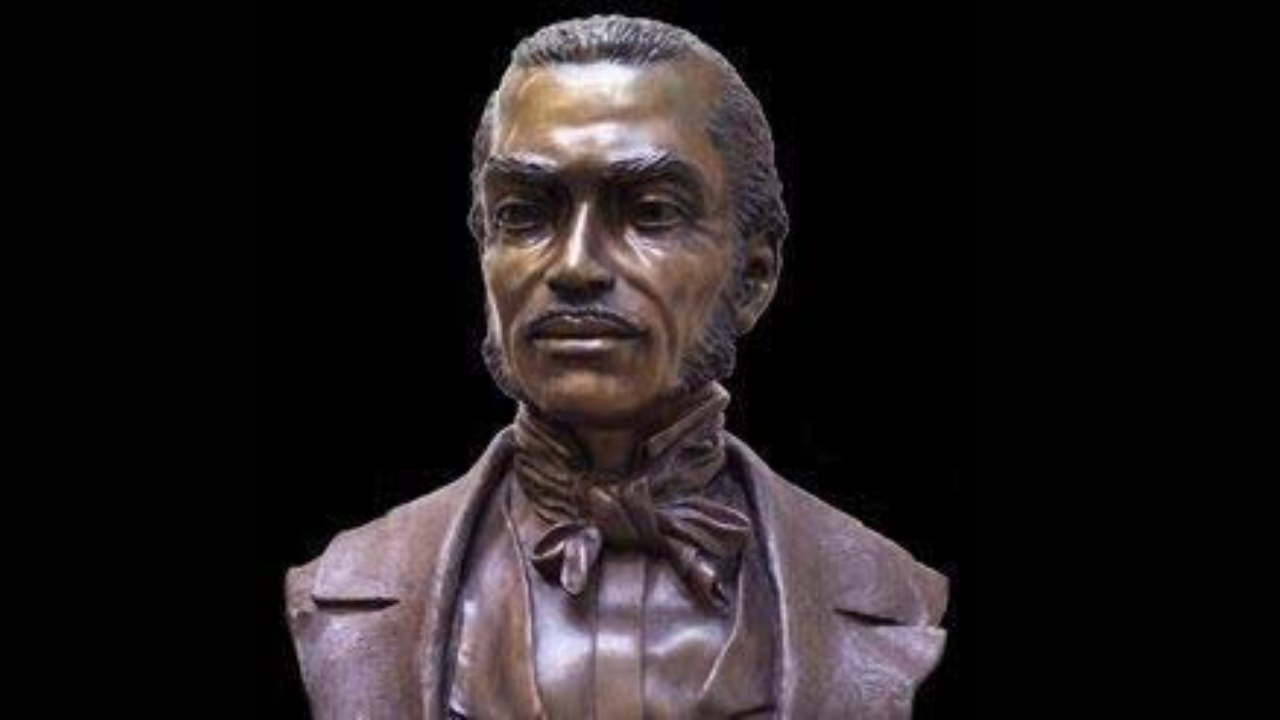
Born into slavery in South Carolina in 1777, McWorter spent decades enduring forced labor. While living in Kentucky, his enslaver permitted him to operate saltpetre mining operations. McWorter didn't waste a single penny of his cut. He saved aggressively, turning hard physical labor into cold cash.
He bought his wife Lucy's freedom first, paying for her release in 1817. Two years later, he bought his own.
Freedom wasn't enough, though. He wanted safety, economic independence, and a future for his entire bloodline. In 1830, he packed up and moved his family north to Pike County, Illinois. Federal land laws allowed free Black settlers to buy property there, even though Illinois state laws slapped heavy restrictions on civil rights.
McWorter didn't just buy a farm. He played a long game.
Building New Philadelphia
In 1835, that $100 investment secured an eighty-acre tract. A year later, McWorter carved 42 of those acres into 144 distinct residential and commercial lots, legally registering the town of New Philadelphia.
He had a specific vision. He wanted an integrated, affordable community where Black and white families could buy property side by side, build businesses, and send their children to the same schools.
This wasn't just utopian dreaming. It was a calculated liberation engine.
McWorter sold the town lots piece by piece. Every dollar earned went straight toward a singular, deeply personal obsession: buying the rest of his family out of bondage. By the time his mission was complete, he had purchased the freedom of sixteen relatives, including his mother, children, and grandchildren. The total cost approached fourteen thousand dollars—an absolute fortune at the time.
A Secret Stop on the Underground Railroad
New Philadelphia grew steadily through the mid-19th century. By the late 1860s, roughly 160 residents called it home. The town featured blacksmith shops, general stores, a wheelwright, and an integrated schoolhouse.
Crucially, the town became an active sanctuary. Sandwiched between the Mississippi and Illinois rivers, New Philadelphia served as a vital station on the Underground Railroad. Residents routinely sheltered and guided freedom seekers traveling north toward Canada.
Then, progress killed the town. When the Hannibal and Naples Railroad bypassed New Philadelphia in 1869 to lay tracks through nearby Barry instead, the economic lifeblood vanished. Businesses packed up. Residents drifted away. By the 1920s, the buildings were completely gone, and the land reverted entirely to farmland.
The physical town disappeared. The history didn't.
Permanent Protection and Modern Preservation
For decades, New Philadelphia sat quietly beneath the Illinois soil, remembered mostly by local historians and McWorter's descendants. That changed dramatically when Congress designated the site as the 424th unit of the National Park System.
Preserving history takes constant work. The nonprofit New Philadelphia Association maintained the site for years, developing educational kiosks, parking areas, and visitor infrastructure. Recently, that association officially donated nearly 20 acres containing those core visitor facilities directly to the National Park Service.
Superintendent Chris Collins and local stakeholders are now expanding archaeological preservation and trail development. Visitors can walk the grounds where an emancipated man built an integrated society from scratch.
Free Frank McWorter proved that a single individual, armed with an iron will and smart financial moves, could reshape the American landscape. Take a closer look at local history preservation efforts in your state, or support organizations like the New Philadelphia Association that keep these foundational stories alive.