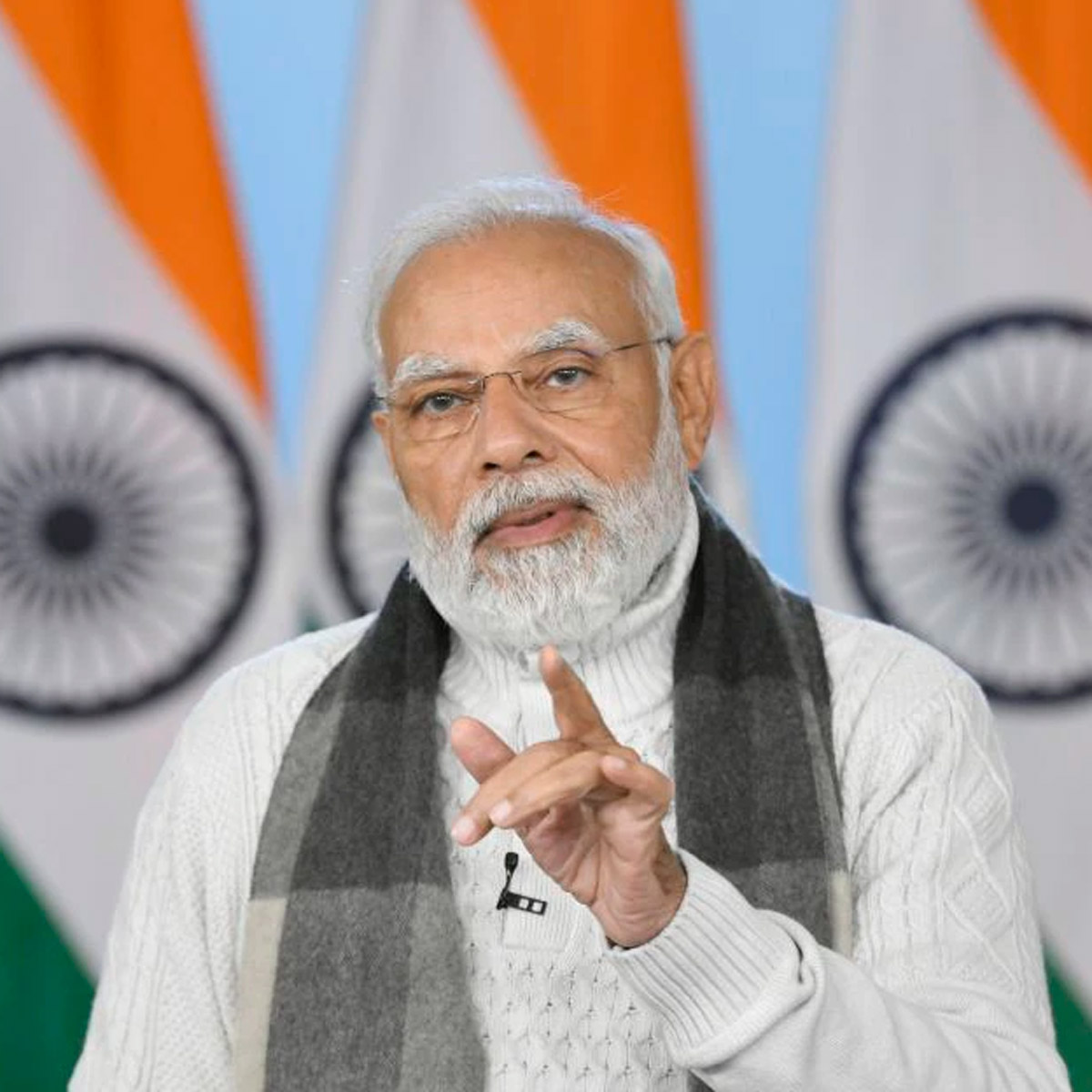
Geopolitical power is shifting away from traditional Western capitals. If you want proof, look at how New Delhi handled the 18th BRICS Summit. Prime Minister Narendra Modi didn't just host a multi-nation gathering; he used the diplomatic weight of the event to cement concrete ties with the Global South.
One of the most consequential meetings on the sidelines happened behind closed doors with Burundi President Évariste Ndayishimiye. Ndayishimiye isn't just leading Burundi right now. He is also wearing the heavy hat of Chairperson for the African Union. When Modi and Ndayishimiye sat down at Bharat Mandapam, they weren't exchanging empty pleasantries. They were mapping out the future of India-Africa relations, including plans for the long-delayed 4th India-Africa Forum Summit (IAFS-IV).
Why does this matter so much? Because New Delhi is cashing in on a very specific diplomatic promise it made back in 2023.
Keeping the G20 Promise to the African Union
Back during India's G20 presidency in 2023, Modi pushed hard to bring the entire African Union into the permanent G20 fold. It was a massive win for continental representation. Critics at the time called it a symbolic gesture. They claimed it wouldn't translate into actual policy shifts or structural changes for African nations.
They were wrong.
During their recent New Delhi talks, Modi and Ndayishimiye explicitly tied that 2023 breakthrough to a broader strategy. They view the India-AU axis as the central engine of the Global South. Instead of relying on old Western-led financial institutions or fragmented bilateral aid packages, African nations are finding an alternative partner in India that treats them like equal economic players.
The focus now is on locking down a date for IAFS-IV. Both leaders agreed that the summit needs to happen soon to turn broad strategic alignment into binding trade, technology, and security agreements.
Ground-Level Cooperation: Agriculture, Health, and Skilling
Diplomacy is fine on paper, but everyday people care about what happens on the ground. Modi and Ndayishimiye dug deep into practical domestic issues during their bilateral.
Agricultural modernization topped the agenda. Burundi's economy relies heavily on farming, yet smallholder farmers struggle with outdated tools, unpredictable weather patterns, and limited access to high-yield seeds. India has quietly become a powerhouse in ag-tech—deploying everything from drone monitoring to digital public infrastructure for farmers. Sharing these frameworks with East African nations isn't charity; it builds mutual food security.
Health security also came up, and for good reason. Modi openly commended the African Union leadership for how they handled the recent Ebola outbreak. On the flip side, Ndayishimiye thanked India for rushing crucial medical support directly to the Africa Centres for Disease Control and Prevention (Africa CDC).
Youth skilling and clean energy projects rounded out the talks. With Africa hosting the youngest population demographic on the planet, job creation and vocational training are ticking time bombs if mismanaged. India’s technical and economic cooperation programs are stepping in to fill that gap.
What Happens Next
Diplomatic summits generate plenty of headlines, but execution is what separates real strategy from photo ops. The real test will be how quickly New Delhi and the African Union can finalize the agenda and venue for IAFS-IV.
If you're watching international trade, tech corridors, or agricultural development, keep your eyes on the India-Africa channel. It's moving faster than most analysts expected.