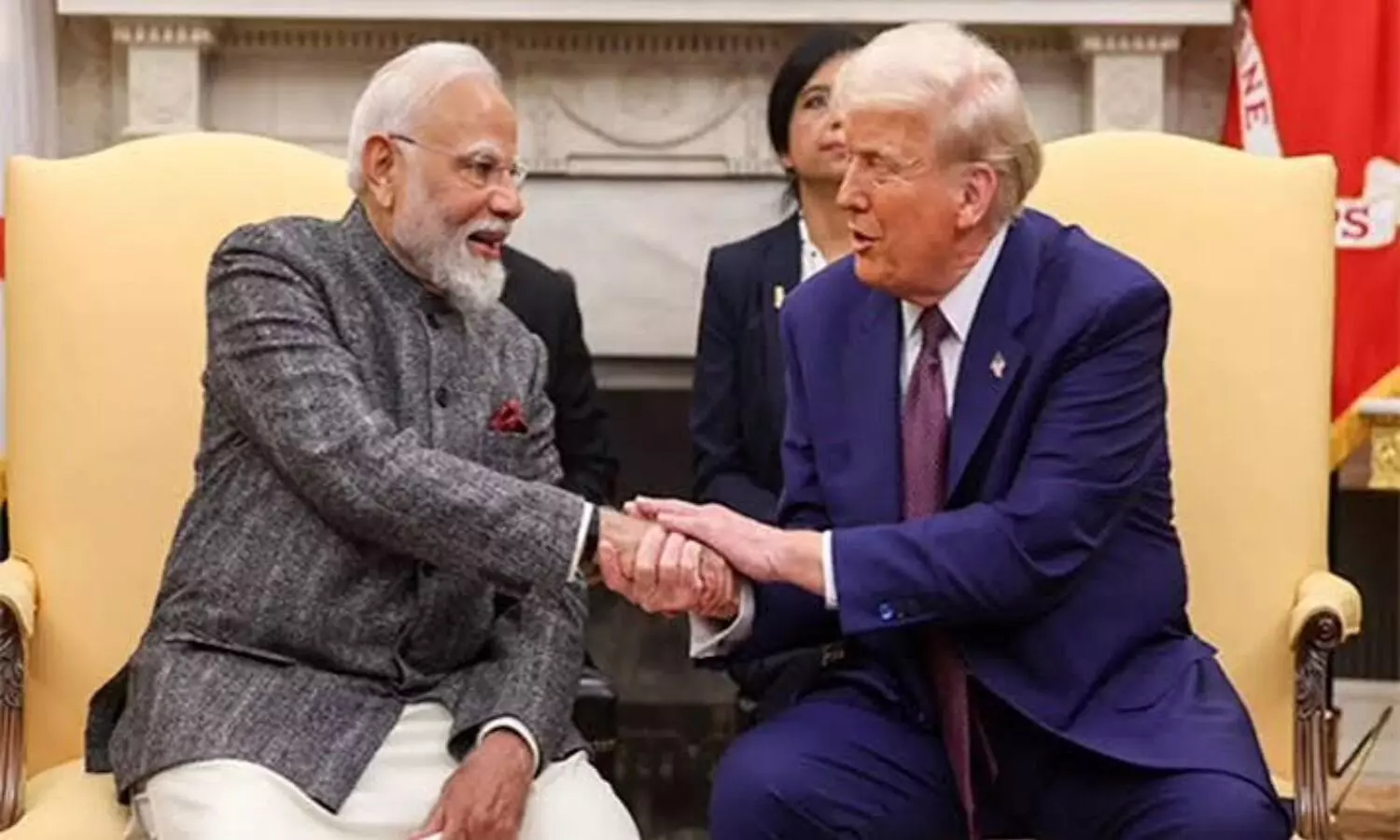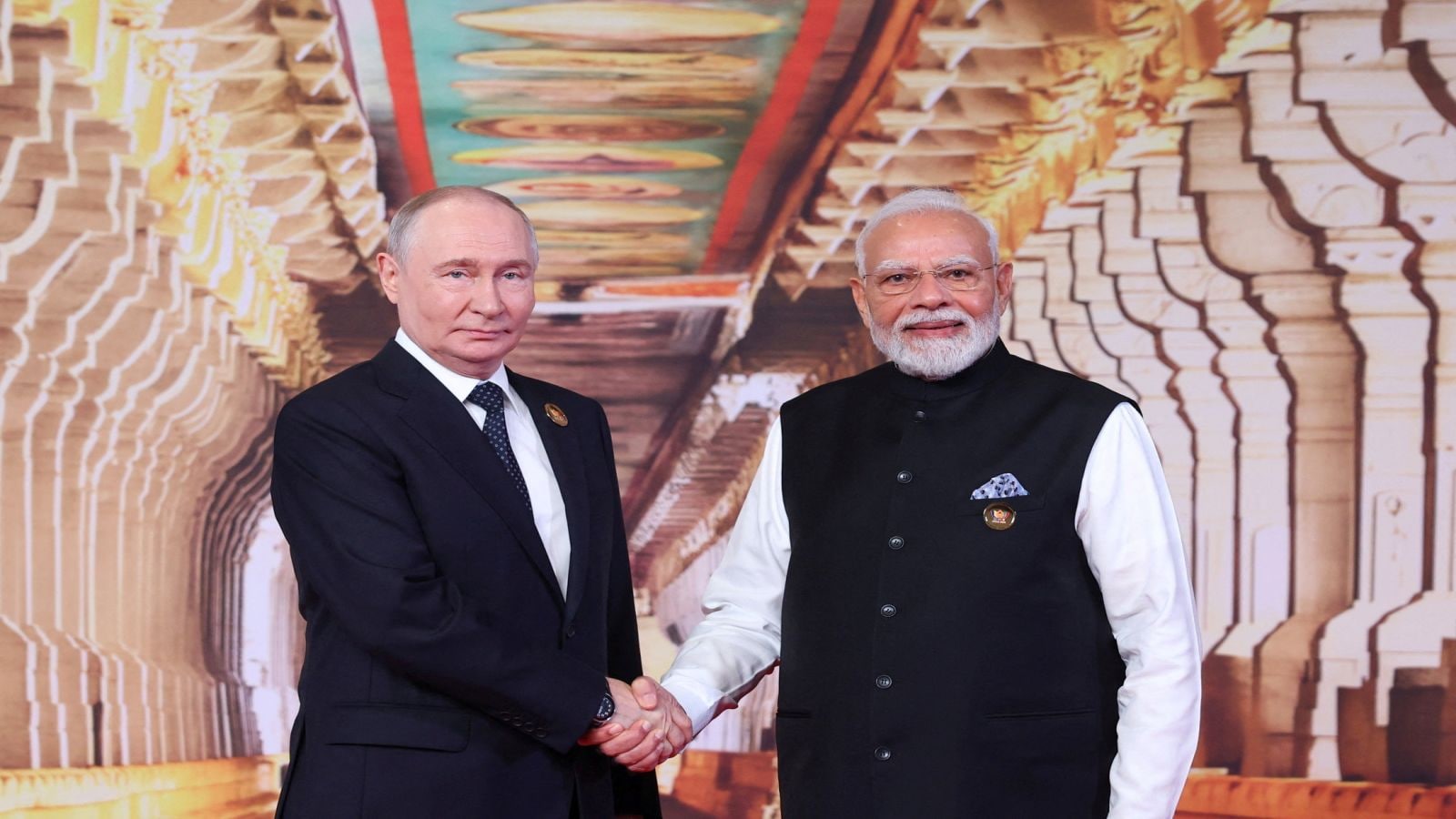
International relations commentators love to talk about shifting global alliances as if they're simple soap operas. One day two countries are close, the next they're allegedly drifting apart. But reality is messier. When Prime Minister Narendra Modi and Russian President Vladimir Putin sat down for bilateral talks during the New Delhi BRICS summit, they weren't just exchanging pleasantries. They were doubling down on a decades-old partnership that Western capitals watch with constant anxiety.
If you want to understand how modern geopolitics actually work, look past the public statements. Look at the barrels of oil, the defence contracts, and the quiet balancing acts happening behind closed doors. India isn't abandoning its multi-alignment strategy, and Russia isn't finding an alternative partner with Delhi's economic weight.
The Energy Lifeline and Trade Realities
Let’s talk about numbers because they strip away the diplomatic fluff. Trade between India and Russia hit roughly $70 billion in fiscal year 2025, and both governments have locked eyes on an ambitious target of $100 billion by 2030.
Energy sits at the absolute core of this economic engine. Even when monthly crude import volumes fluctuate—such as a reported dip earlier in the season—India remains one of the largest buyers of Russian oil, taking in millions of barrels daily. Western nations spent years trying to squeeze Russian energy out of global markets through primary and secondary sanctions. Yet Delhi kept buying, prioritizing domestic energy security and inflation control over external pressures.
This isn't about picking ideological sides. It's about cold, hard economics. Indian refineries get discounted crude, and Moscow keeps a vital cash flow moving. Modi and Putin spent significant time during their New Delhi meeting mapping out expansion in other sectors too, including fertilizers, critical minerals, and agricultural projects.
Defence Ties and Strategic Autonomy
Critics often wonder if New Delhi is slowly weaning itself off Russian military hardware. It's true that India has diversified its defence procurement over the last decade, buying more from France, Israel, and the United States. Diversification is simple common sense for any major military power.
Even so, abandoning Russian hardware overnight is impossible. India's military architecture runs on Soviet and Russian-origin platforms. More importantly, advanced joint proposals—such as discussions surrounding cutting-edge fighter jets and civil nuclear cooperation with life-cycle support—prove that the defence channel remains active.
When Putin arrived in the Indian capital for the summit, he also made a point to address the BRICS business forum, blasting Western competitors for using protectionist measures and sanctions to maintain dominance. For India, hosting this summit while maintaining open channels with Washington, European capitals, and Moscow is a masterclass in strategic autonomy.
Balancing the Global South and Western Pressures
India's role as the chair of this BRICS summit put it in a delicate diplomatic position. Figures like veteran diplomat Shashi Tharoor publicly cautioned that the bloc must remain non-West without sliding into an anti-West posture. Delhi wants to champion the concerns of the Global South—addressing supply chain vulnerabilities, food security, and financial inclusion—without burning bridges with its Western partners in the Quad.
At the same time, Modi used the face-to-face interaction to reiterate India's consistent stance on ongoing global conflicts. Repeating the message that dialogue and diplomacy are the only paths forward, Modi positioned India as a credible voice for peace, offering to assist in resolution efforts while refusing to join the chorus of outright condemnation.
The relationship between Delhi and Moscow survives because it is anchored in pragmatic necessity rather than emotional attachment. As long as mutual economic and security interests align, this partnership will continue to defy external expectations.
Watch the breakdown of the bilateral discussions and key takeaways from the summit here: Modi-Putin BRICS Meeting Analysis. This video provides a close look at how the high-stakes meetings between Modi and Putin unfolded in New Delhi.