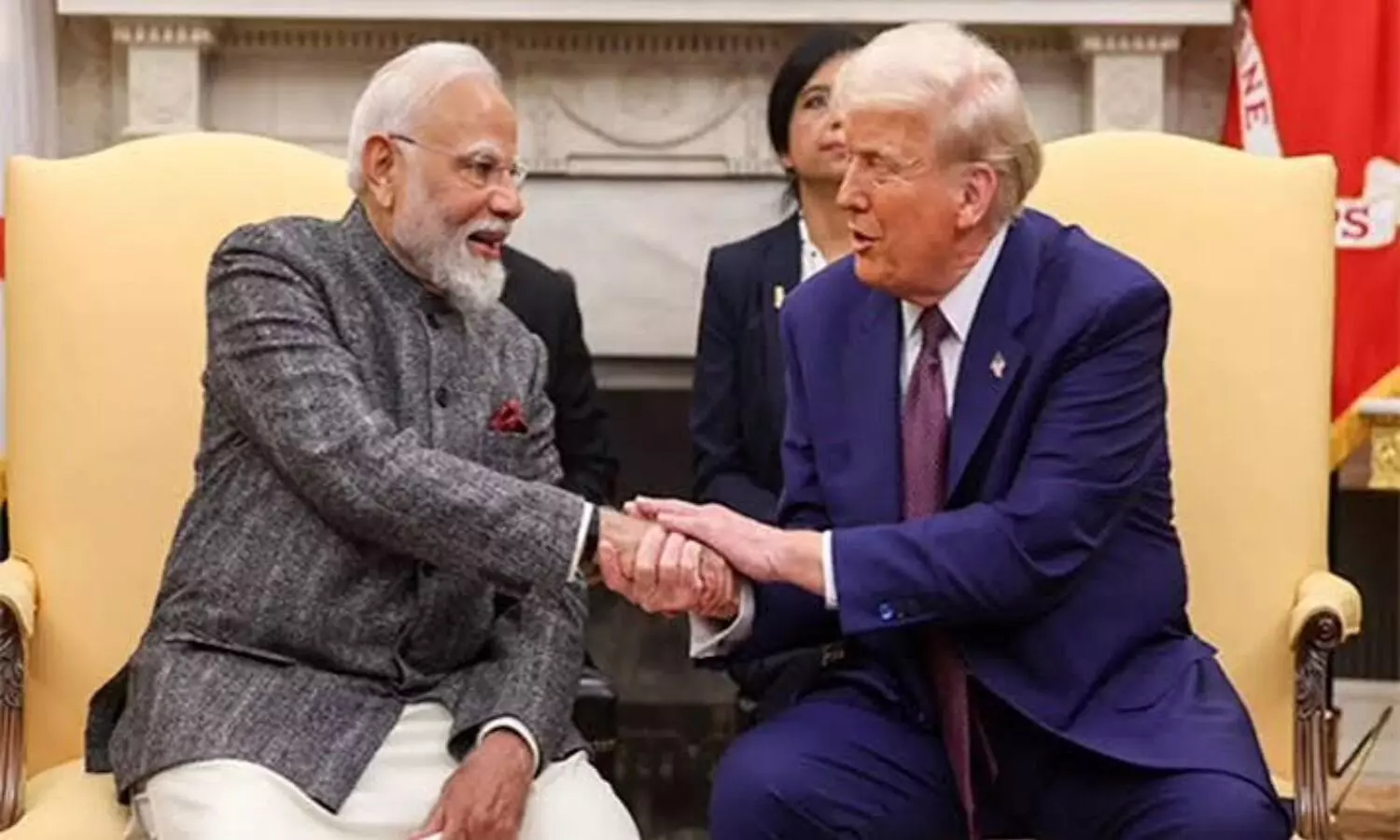
Donald Trump recently looked at the global fuel market, pointed a finger at Kyiv, and demanded that Volodymyr Zelenskyy stop hitting Russian diesel infrastructure. According to the White House, those long-range Ukrainian drone strikes are squeezing international fuel supplies and hurting the world.
It sounds simple enough on paper. Stop the bombing, fix the diesel shortage, lower prices at the pump. But reality is a lot messier. Trump's warning misses the core mechanic of how this war is actually fought and funded.
Why Kyiv Won't Stop Targeting Russian Fuel
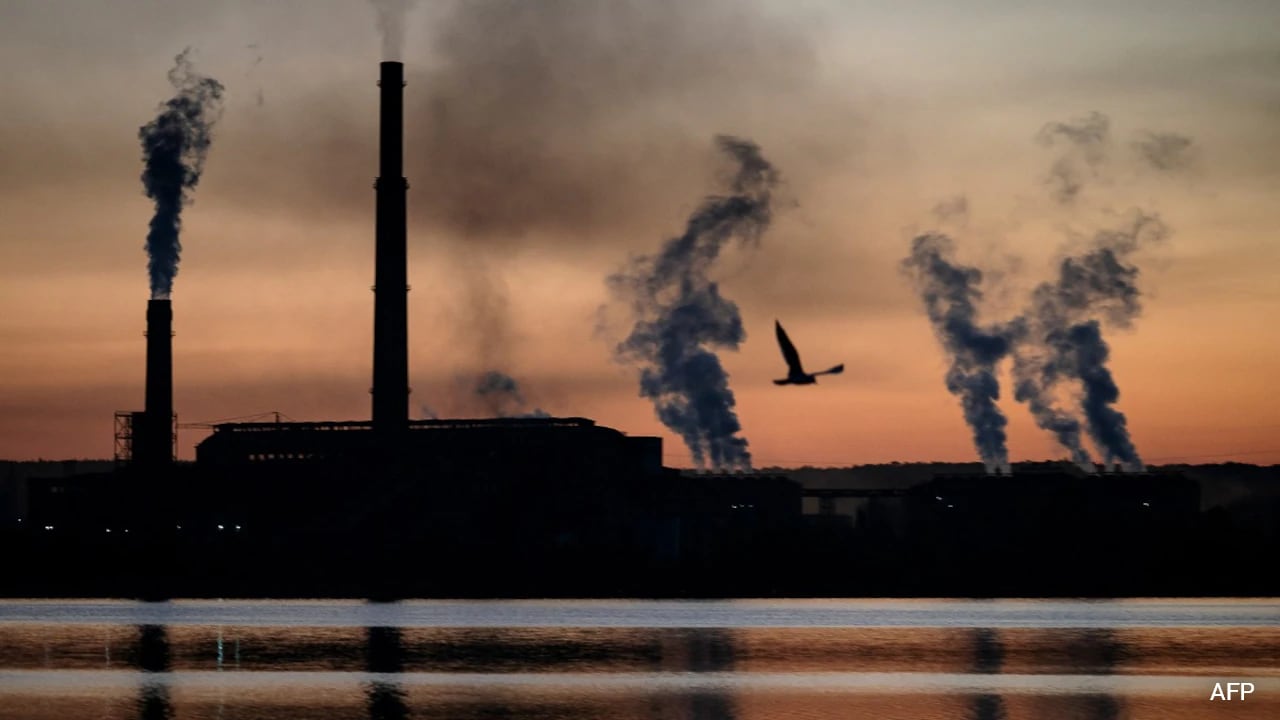
Ukraine isn't launching drones deep into Russian territory just for fun. They are targeting refineries because oil money directly finances the Kremlin's war machine. When a drone hits a facility like the TANECO refinery in Tatarstan, it disrupts Moscow's ability to turn crude into usable military and civilian transport fuel.
Russia has spent years building an economy entirely dependent on energy exports. By choking off fuel production, Ukraine forces Moscow to choose between supplying its own domestic market or fueling tanks on the front line. Russia has already faced severe domestic gasoline shortages and implemented strict export bans to keep local pumps from running completely dry.
When Trump claims Ukraine has "plenty of other targets", he ignores military logic. Energy infrastructure is military infrastructure in a modern war of attrition. Asking Kyiv to spare diesel refineries is basically asking them to fight with one hand tied behind their back while Moscow continues to pound Ukrainian power grids.
The Global Energy Squeeze
Of course, global markets hate uncertainty. International diesel supplies have tightened significantly. Data from firms like Kpler shows Russian fuel exports dropping sharply compared to previous multi-year averages. Combined output strains from ongoing conflicts in the Middle East and export curbs imposed by Moscow have sent energy prices climbing.
Washington worries about inflation at home, especially with fuel costs creeping up. Voters don't care about geopolitical nuances when they see high prices at the pump. Trump is trying to insulate domestic consumers from economic shock waves.
Yet blaming Ukraine for global shortages ignores who started the fire. Moscow invaded a sovereign neighbor, weaponized its own oil and gas sectors, and forced a total restructuring of international energy trade. Expecting the victim of that invasion to protect the aggressor's profit margins is a tough sell.
The Strategic Reality
Zelenskyy faces an impossible choice. If he listens to Washington and halts refinery strikes, Putin gets a free pass to repair his critical economic lifelines. If he ignores the warning, he risks alienating a vital Western ally at a time when military aid remains fragile.
The strategy behind these drone attacks isn't about crashing global markets. It's about bringing the war home to Russian citizens who otherwise pretend the conflict doesn't exist. When long queues form at petrol stations in St. Petersburg, public complacency starts to crack.
Energy markets will remain volatile as long as missiles keep flying. Telling Ukraine to pull its punches won't fix the underlying energy crisis. Only an end to the war will do that.