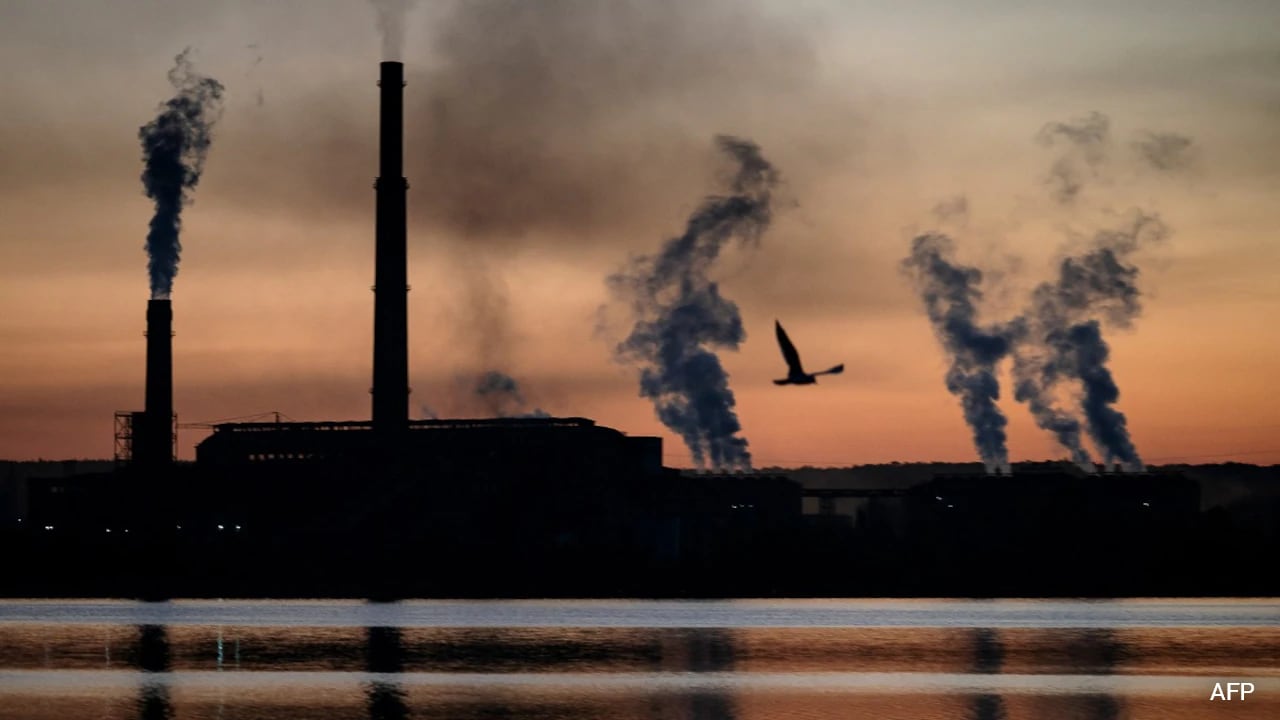
The federal government just hit reverse on one of the biggest environmental regulations in modern American history. If you thought the battle lines over fossil fuels were already drawn, think again. The administration has officially junked carbon emission limits for coal and gas-fired power plants, sending shockwaves through energy markets and environmental law offices alike.
Let's look at what actually changed. The Environmental Protection Agency, led by Administrator Lee Zeldin, didn't just tweak the old rules. They threw them in the shredder. They repealed the 2024 standards that forced power plants to cut up to 90 percent of their carbon dioxide pollution using expensive smokestack technology. On top of that, they proposed a massive legal shift arguing that the agency shouldn't even have the power to regulate greenhouse gas emissions from the power sector in the first place.
You might wonder how we got here so fast. Energy policy in the United States swings wildly depending on who sits in the Oval Office. For years, federal agencies tried to force a transition away from traditional fuels to curb global heating. The argument from the previous administration was simple. Clean up the grid or face catastrophic climate fallout.
Now, the pendulum has swung completely back. The official line from the EPA is all about protecting household utility bills and keeping the lights on. They claim getting rid of these restrictions will save billions of dollars. Critics aren't buying the math. Environmental lawyers and advocacy groups are already prepping lawsuits, pointing out glaring contradictions in the government's legal reasoning.
The Real Battleground Inside the Courts
You cannot talk about this rollback without talking about the courts. Every major environmental regulation faces a legal gauntlet, but this one is entering uncharted territory. The administration is attacking the core legal foundation of how the federal government handles climate change.
Back in 2009, the EPA issued the Endangerment Finding. That scientific determination stated that greenhouse gases threaten public health and welfare. It was the legal bedrock for every climate rule that followed. By chipping away at that foundation, current officials are trying to build an ironclad defense against future climate litigation.
Legal experts are already spotting the weak points. When an agency says it has the authority to regulate carbon, but then argues that doing so is entirely useless because it won't fix global temperatures, judges tend to raise an eyebrow. This legal gymnastics creates an obvious opening for challengers. Expect months of messy courtroom battles.
What This Means For Your Electric Bill
Utility costs drive real political anger. When power prices spike, voters notice immediately. The administration knows this, which is why they framed this entire rollback around household economics. Mandating expensive carbon capture technology on aging coal plants costs money. Power companies pass those expenses directly to consumers.
The counterargument misses the kitchen-table reality for many families. While avoiding immediate compliance costs keeps rates steady today, it shifts the financial burden elsewhere. Severe weather events carry a massive economic price tag. Rebuilding storm-damaged infrastructure drains public funds and drives up insurance premiums across the country.
Why Coal And Gas Still Dominate the Grid
People often ask why the country relies so heavily on old fossil fuel plants if clean energy is getting cheaper. The answer comes down to reliability. Solar and wind depend on the weather. Batteries can store power, but not efficiently enough yet to handle massive multi-day spikes in demand during freezing winters or blistering summer heatwaves.
Coal and gas provide baseline power. They run whenever you flip a switch. Energy executives look at reliability first and environmental targets second. Stripping away emission limits takes the pressure off aging infrastructure, giving operators a green light to keep running older units longer than originally planned.
The Global Ripple Effect
Energy decisions inside the United States never happen in a vacuum. Scrapping domestic carbon limits sends a clear message to international partners. The country has already pulled back from major global climate pacts under the current administration.
Other nations notice. When the world's largest historic emitter abandons its own reduction targets, international climate negotiations stall. Developing countries often point to shifting US policies as justification for prioritizing economic growth over emissions reductions.
Where the Energy Market Goes From Here
Market forces often move faster than government regulations anyway. Natural gas remains cheap due to domestic fracking, and renewable energy investments have built up massive momentum over the last decade. Many utility companies have already baked long-term transition plans into their capital budgets. They aren't going to tear down modern wind farms or suddenly build hundreds of new coal plants just because a regulation disappeared.
The regulatory rug has been pulled out, but the physical grid takes time to change. You're looking at a patchwork future where individual states, private utility boards, and federal courts fight over the direction of American energy.
Watch the court filings over the next few months. That is where the real fight for the future of power generation will happen.