Democracy rarely dies in a sudden flash of military tanks or midnight martial law. More often, it slips away quietly through bureaucratic filing cabinets, automated algorithms, and database updates. Look at what is happening across India right now. Over 130 million names have vanished from electoral rolls. Thousands of protesters have taken to the streets in New Delhi, demanding accountability from Chief Election Commissioner Gyanesh Kumar.
If you think this is just a routine administrative cleanup, you are missing the entire picture.
This silent displacement stems from the Election Commission of India's aggressive Special Intensive Revision. While election boards routinely clear out records of deceased individuals or people who moved away, the scale of the current purge is unprecedented. It targets the very core of universal adult suffrage. Critics and civic watchdogs point to a disturbing trend. The deletions are not random. They land heaviest on minority groups, women, urban migrants, and impoverished communities.
The Illusion of Clean Data and Digital Barriers
Bureaucrats love the vocabulary of purification. They call these massive removals an effort to clean voter lists. But language carries weight, and in a deeply stratified society, such rhetoric masks a much darker design.
Consider how the process weaponizes modern technology. The introduction of digital applications like ERONET, an AI-enabled network designed to flag "logical discrepancies," sounds efficient on paper. In reality, it acts as an exclusion engine. If a woman marries, updates her address, or alters her surname, her records might not match legacy archives precisely. The system flags her file. Suddenly, the burden of proof shifts entirely onto the citizen.
You must produce ancestral land records, educational certificates, and extensive family trees to prove your right to vote. If you live in an informal settlement, struggle with daily wage labor, or lack digital literacy, meeting these bureaucratic hurdles is nearly impossible. Technology does not exist in a vacuum. When deployed in unequal societies, it simply automates preexisting biases.
Who Actually Loses Their Voice
The human cost of these database edits is staggering. Look closely at the numbers emerging from major urban hubs and key state elections.
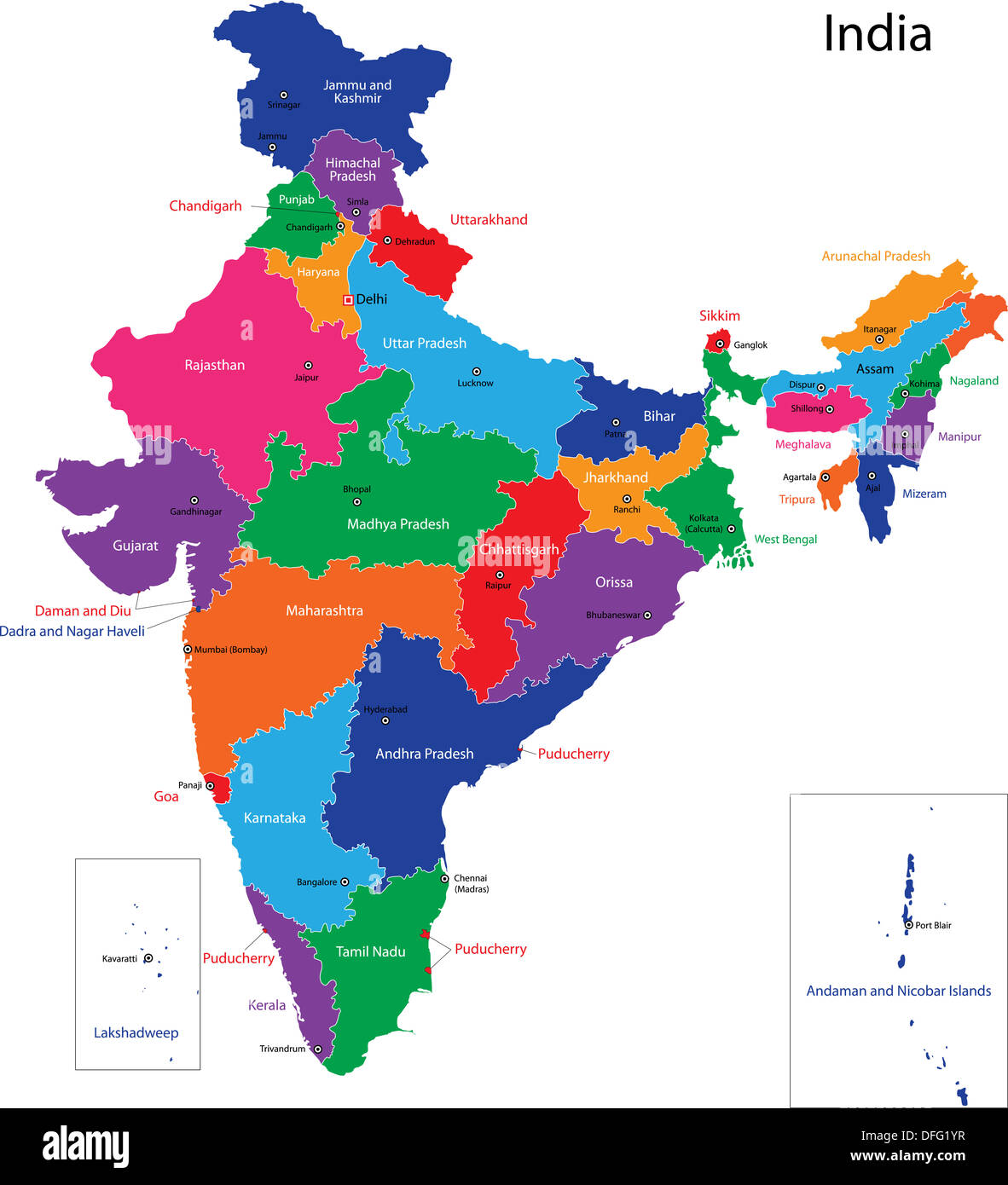
In Hyderabad, nearly two million entries faced the axe under categories like absent, shifted, or dead. A disproportionate share of those targeted belonged to Muslim neighborhoods, where local deletion rates drastically outpaced the community's total population share. In West Bengal, millions of names vanished under the vague banner of "logical discrepancy."
When citizens attempt to challenge these decisions, they run into a brick wall of administrative apathy. A handful of tribunals are left to handle millions of appeals. For a daily wage earner, spending days standing outside an overburdened government tribunal means losing income they cannot afford to sacrifice. Disenfranchisement becomes an economic punishment.
The political fallout is equally transparent. In closely contested states like Bihar, where margins between victory and defeat often razor-thin margins of less than one percentage point, altering the voter base by millions alters election outcomes entirely. When targeted groups lose their political voice, the ruling party reaps the electoral reward.
The Broader Ideological Project
This current voter purge does not happen in isolation. It forms a neat puzzle piece alongside past policy shifts. It echoes the National Register of Citizens in Assam that left millions stateless, and mirrors the controversial citizenship laws that filter rights through a religious lens.
When the state frames demographic changes as an existential threat driven by unauthorized infiltrators, it turns ordinary neighbors into suspected outsiders. This polarization reshapes the electoral landscape before a single ballot is cast.
Elections are supposed to be the ultimate equalizer. When the gatekeepers of democracy start choosing who gets to participate based on opaque algorithms and impossible documentation demands, the entire electoral exercise loses its mandate.
Do not look away from what is unfolding on the streets of Delhi. This is not just about missing names on a spreadsheet. It is about the deliberate redrawing of who belongs in the modern Indian republic.