International diplomacy operates on strict technicalities, but sometimes a simple visa refusal blows open a massive geopolitical fracture. Iran just came out swinging against Austria, furious that Vienna blocked its nuclear chief from entering the country for a high-stakes United Nations gathering. Tehran called it a direct violation of international rules. Austria shrugged and pointed straight at a United Nations Security Council committee.
If you want to understand why Mohammad Eslami, the head of the Atomic Energy Organization of Iran, got shut out of the International Atomic Energy Agency general conference in Vienna, you have to look past standard diplomatic protocol. It's about a tangled web of international sanctions, strategic pressure from Washington, and shattered trust following last year's military strikes.
The Visa Denial and Tehran's Immediate Backlash
When Mohammad Eslami was blocked from boarding his flight or receiving his entry permit, Tehran didn't stay quiet. Iranian officials immediately summoned the Austrian charge d'affaires to register a formal, bitter protest. Reza Najafi, Iran's ambassador to the IAEA, took the floor at the general conference and laid into the host nation. He stated clearly that denying access to a member nation's delegation head breaks the core legal framework governing the UN watchdog.
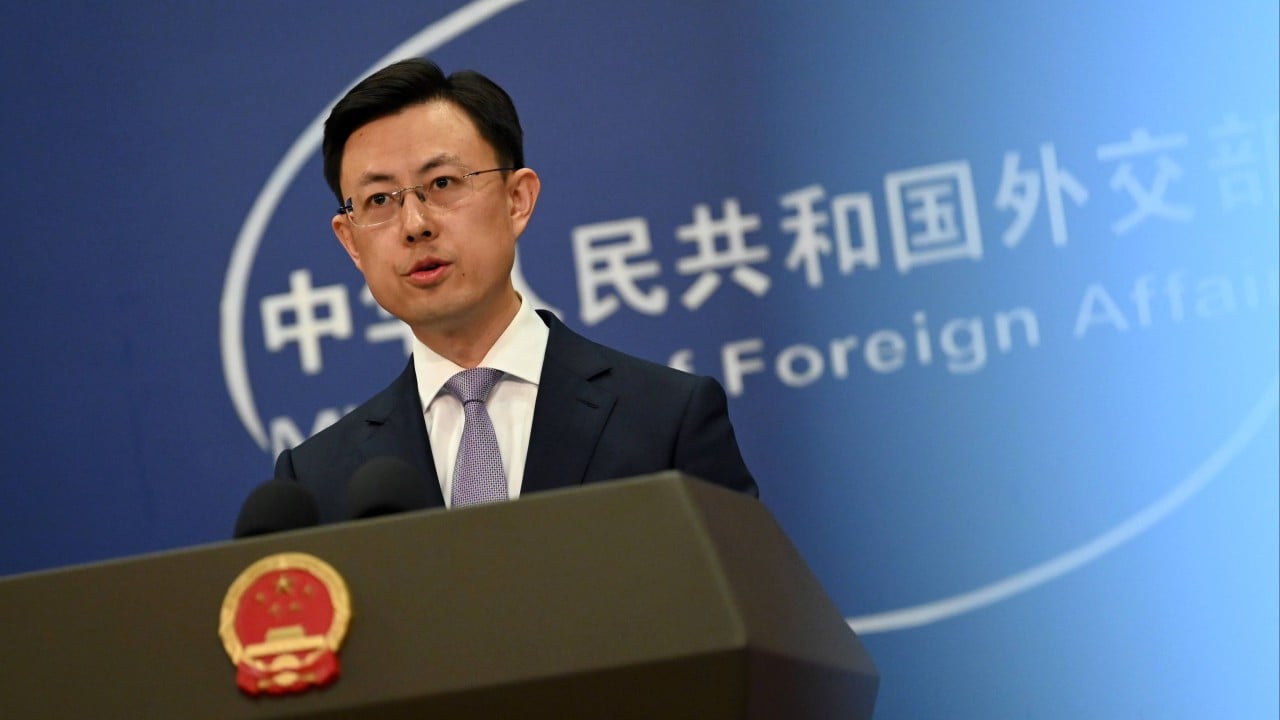
Iranian Foreign Ministry spokesperson Esmail Baghaei backed up that fury, arguing that Austria holds a legal duty as a host country to issue entry visas for official UN functions. According to Tehran, yielding to outside pressure sets a dangerous precedent where powerful nations can arbitrarily curate who gets a seat at the table.
Why Vienna Claims Its Hands Are Tied
Austria didn't block Eslami out of pure administrative spite. Vienna offered a very specific defense: the United Nations Security Council's sanctions committee tied their hands.
Christian Ebner, Austria's ambassador to the IAEA, explained that Vienna actually requested a special exemption waiver for Eslami so he could attend the conference. Under normal circumstances, host nations can ask for these waivers to bypass travel restrictions placed on sanctioned officials.
The catch? The waiver request hit a brick wall. The U.S. ambassador to the UN in Vienna, Preston Wells Griffith, confirmed that Washington formally objected to the exemption. The rationale from the American side was blunt. Officials argued that a UN-designated official shouldn't be allowed to travel freely to international conferences while Tehran refuses to provide meaningful cooperation on core nuclear safeguards.
The Shadow of the Snapback Sanctions
This entire showdown traces back to a massive escalation last year. France, Britain, and Germany triggered the controversial snapback mechanism, automatically reinstating a full suite of UN sanctions on Iran. Those measures brought back strict travel bans, asset freezes, arms embargoes, and blocks on nuclear technology production.
Iran, alongside allies like Russia and China, rejects the legality of these snapback measures entirely. Russia's ambassador to the UN in Vienna, Mikhail Ulyanov, jumped into the fray to support Tehran. He accused Western governments of weaponizing visa rules to settle political scores against states they dislike, calling Austria's compliance a gross violation of its host duties.
The Broader Crisis Over Nuclear Access
This visa dispute isn't happening in a vacuum. It follows a brutal breakdown in cooperation between Tehran and international inspectors. Following the military strikes on Iranian nuclear sites during the twelve-day war in June 2025, Iran completely blocked IAEA inspectors from entering the affected facilities.
Compounding the tension, the IAEA board recently reported Iran to the UN Security Council for the first time in two decades. The trigger was Iran's ongoing refusal to explain unexplained uranium traces discovered at undeclared sites. Western intelligence suspects those traces point to a secretive pre-2003 weaponization effort, a claim Tehran denies while maintaining its program remains strictly peaceful.
Diplomacy relies on communication, but when travel bans and visa denials replace negotiation, finding common ground becomes nearly impossible. Expect tighter restrictions and deeper hostility as both sides refuse to back down.
Iran Condemns Austria Over Nuclear Chief Visa Denial At IAEA Meeting
This video provides an overview of the diplomatic friction and statements surrounding the disputed visa denial in Vienna.
http://googleusercontent.com/youtube_content/1