Geopolitics rarely stays contained to map lines. When a majority of Panama's national assembly lawmakers decided to back a parliamentary exchange group with Taiwan, they didn't just sign a routine legislative document. They poked a sleeping dragon right in a region Beijing considers its economic backyard.
Beijing immediately fired back with warnings of serious consequences. But why does a small legislative friendship group in Central America matter so much to the global superpower? Let's break down what's actually happening behind the diplomatic theater.
The Spark Inside Panama's National Assembly
Back in September 2026, the political landscape in Panama City shifted unexpectedly. Led by figures like Medin Jimenez, 45 out of 71 lawmakers in Panama's National Assembly threw their weight behind the Panama-Taiwan Inter-Parliamentary Exchange Group.
Panama cut formal diplomatic ties with Taiwan back in 2017, pivoting hard toward Beijing to secure massive infrastructure investments. For years, that shift looked permanent. Trade agreements, port projects, and telecommunications deals locked the two nations together.
Legislators defying that executive-level alignment changes the calculus. Even though Panamanian President José Raúl Mulino quickly distanced his administration from the move—insisting that foreign policy belongs strictly to the executive branch—the damage to Beijing's narrative of absolute compliance was done. Lawmakers are testing how much room they have to maneuver.
Beijing Reacts With Heavy Handed Warnings
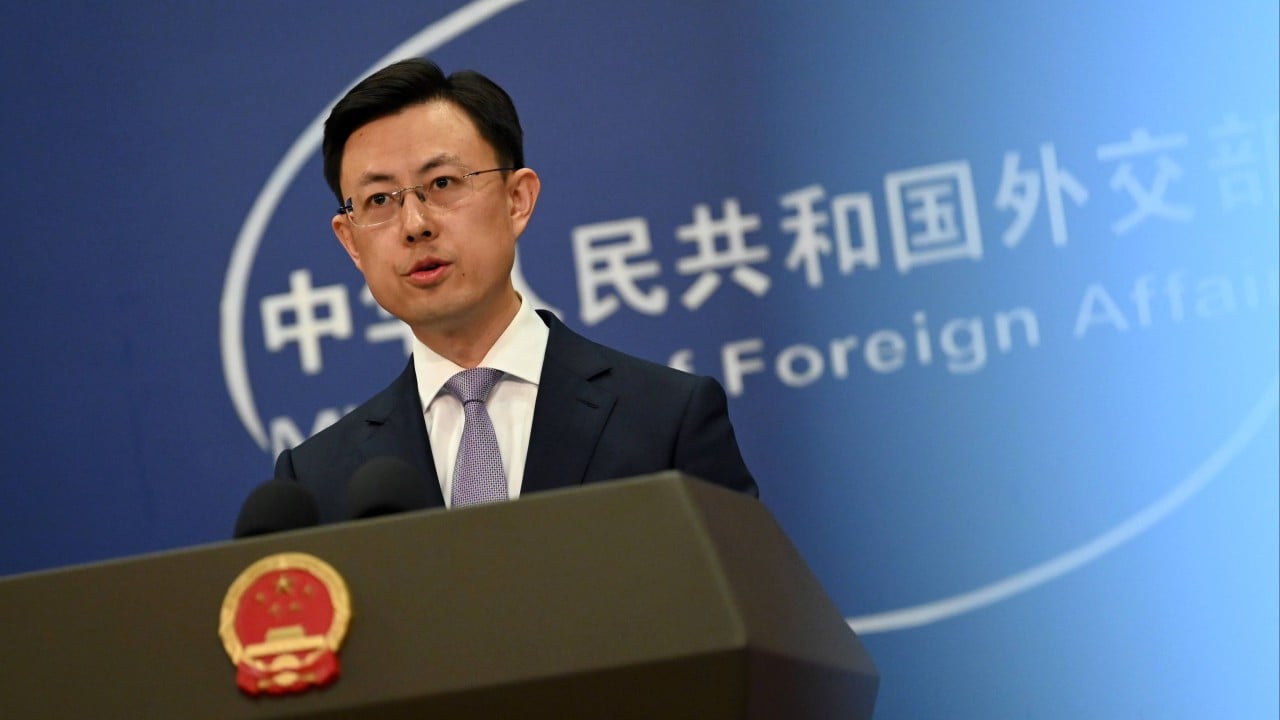
China's Foreign Ministry did not mince words. Spokesperson Guo Jiakun made it clear that establishing this legislative group violates the one-China principle. Beijing views any official interaction with Taiwan as a direct challenge to its sovereignty.
The rhetoric wasn't just aimed at Panama. Beijing also pointed fingers at Washington, accusing American lawmakers of interfering by participating in the group's launch via video link.
China has spent billions embedding itself into Panama's economy, specifically around the crucial Panama Canal. When local politicians start looking back toward Taipei, Beijing sees a threat to its long-term strategic investments.
The Greater Struggle for Regional Influence
You have to look at the bigger picture to understand why this minor legislative vote became international front-page news. The Panama Canal remains one of the most vital geopolitical waterways on earth.
Washington watches Chinese footprint expansion in Central America with intense suspicion. When Panamanian politicians rebel against Beijing's diplomatic gravity, American strategists take notice. The line between trade, infrastructure control, and military positioning gets blurred very quickly in this part of the world.
President Mulino is walking a tightrope. He has to keep Beijing's trade money flowing while managing domestic politicians who refuse to completely abandon historical ties with Taiwan. Free trade agreements between Panama and Taiwan have technically survived on the books since 2004, giving local politicians legal precedents to lean on.
Expect more friction. Beijing demands real actions from Panama's executive branch to neutralize the lawmakers' initiative. If President Mulino fails to crack down hard enough, economic retaliation could follow. If he cracks down too hard, he risks looking like a foreign puppet to his own legislature.
The next few months will show whether this parliamentary group was a hollow gesture of defiance or the opening salvo of a diplomatic realignment in Central America.