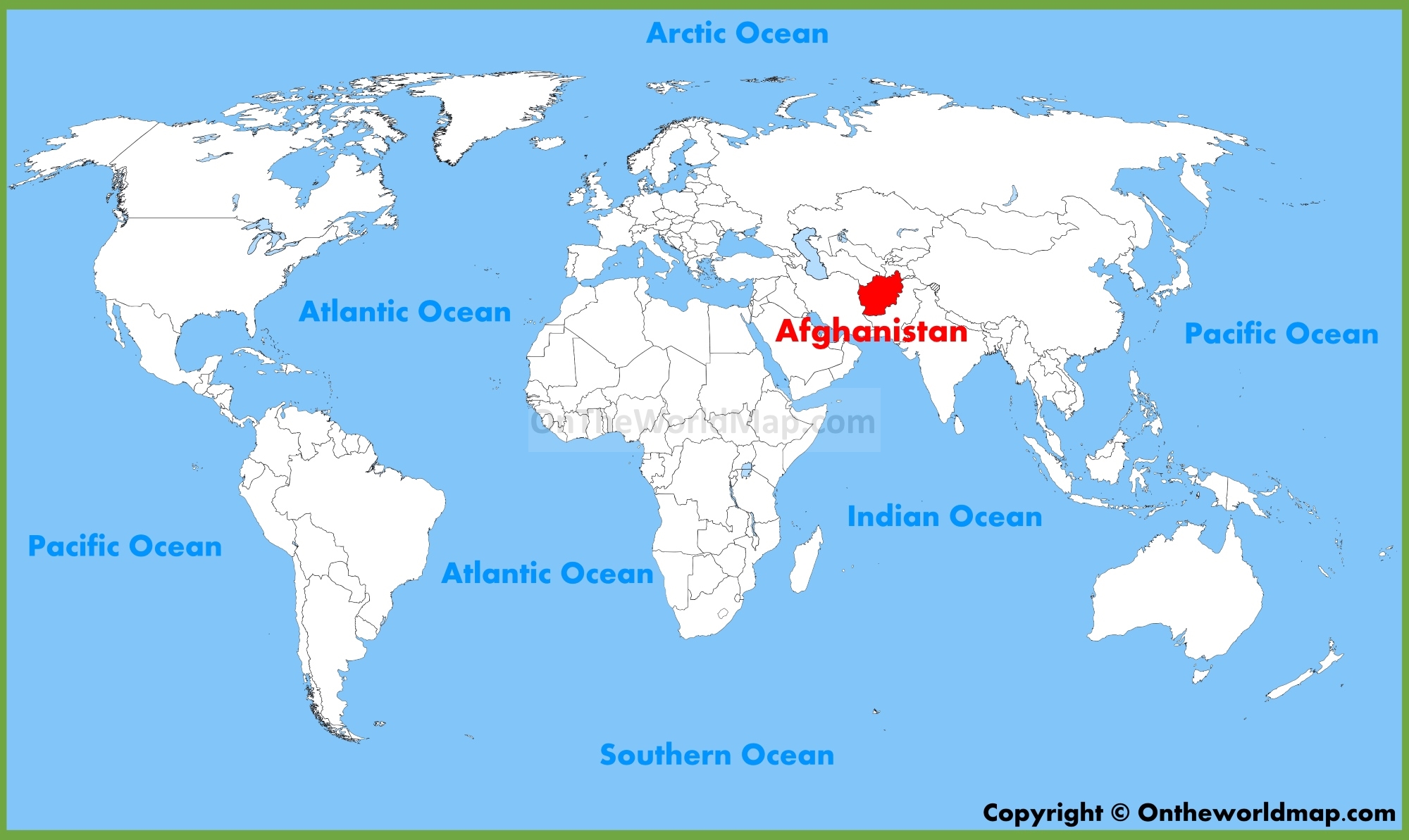
Cross-border clashes don't happen in a vacuum, and the latest flare-up between Afghanistan and Pakistan proves that mutual suspicion runs deeper than ever. When the Afghan defense ministry announced that its forces had killed 28 fighters and wounded or captured 32 others in Nuristan's Kamdesh district, it wasn't just a routine military update. It was a direct salvo in an escalating war of words that is pushing two neighboring nations toward a dangerous diplomatic freeze.
The incident unfolded after a heavily armed group crossed the rugged frontier from Pakistan. According to Kabul's official account, the inbound fighters included individuals linked to armed factions like the Islamic State, alongside former security personnel allegedly recruited and trained by Pakistani intelligence agencies. If true, that operational dynamic represents a massive shift in proxy friction between the two capitals.
Pakistan's information ministry didn't take long to fire back, dismissing the allegations on social media as frivolous, baseless, and entirely untrue while denying any military involvement in the Kamdesh clashes. But Islamabad's flat denial does little to cool the rhetoric. Pakistan has spent years accusing the Afghan Taliban of providing a safe haven to groups launching attacks across the Durand Line. Kabul denies those claims with equal vigor, pointing instead to Pakistan's domestic security struggles and past military operations that have frequently left civilians caught in the crossfire—such as the deadly airstrikes earlier in September that the United Nations mission confirmed resulted in civilian casualties.
This tit-for-tat cycle highlights a profound diplomatic deadlock. Neither government wants open war, yet both find political utility in blaming the other for domestic security failures. Islamabad faces intense pressure over rising militant attacks within its own borders, while Kabul struggles to consolidate governance while managing porous mountain borders that have never been effectively controlled by any central government in modern history.
Independent verification of these battlefield claims remains virtually impossible. Reporters cannot easily access remote high-altitude valleys like Kamdesh to tally casualties or inspect wreckage. Consequently, both publics are fed competing narratives designed to rally nationalist sentiment rather than resolve underlying grievances.
The immediate outlook for the border region is grim. Without a neutral mechanism for verifying cross-border movements or addressing security concerns jointly, minor skirmishes will continue to spiral into diplomatic crises. The real cost isn't just measured in the dozens of casualties reported in Nuristan; it's the total collapse of bilateral trust required to prevent future bloodshed.