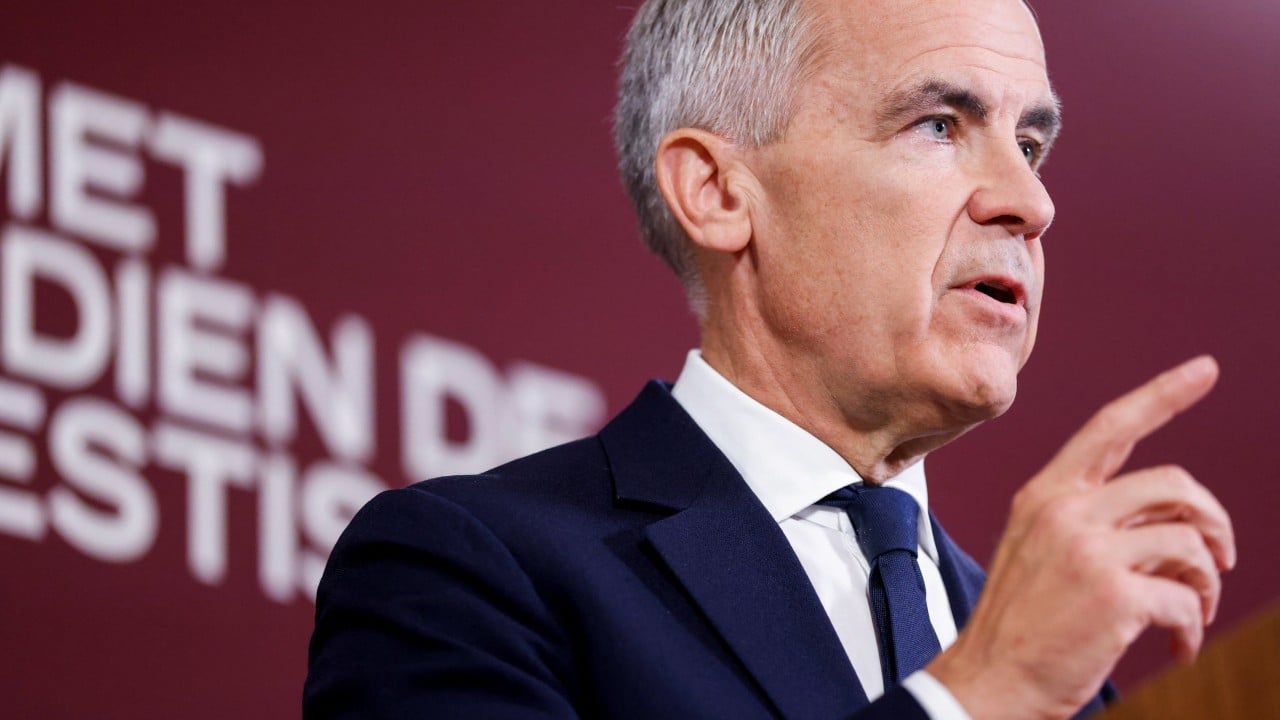
Federal Reserve Chair Kevin Warsh thought taking the central bank's helm would be straightforward. He was wrong. Just months into his tenure, Warsh is caught in a brutal crossfire between Wall Street traders demanding higher borrowing costs and an enraged White House fighting to keep rates low. The Federal Reserve's recent benchmark rate hike to a range of 3.75% to 4% wasn't just a routine monetary policy shift. It was a high-stakes gamble on institutional survival.
If you are trying to understand why the central bank felt forced into its first interest rate hike since 2023, you have to look past the official press releases. You have to look at the bond market.
The Bond Market Revolt That Forced Warsh's Hand
Markets don't wait for central bankers to make up their minds. By late summer, investors had completely lost patience with flatlining rates while inflation stayed stubborn. Driven by surging oil prices from the conflict in Iran and lingering tariff pressures, inflation numbers refused to cooperate.
When long-term bond yields spiked, touching 5% on the 10-year Treasury, the message to Washington was loud and clear. Refusing to act wasn't an option.
Diane Swonk, chief economist at KPMG, nailed the bizarre paradox at play: a rate hike now was the only way to lower long-term rates later. By proving the Fed still cares about its 2% inflation target, the central bank hoped to squash the inflation premium built into the broader economy. If Warsh had blinked and left rates alone, bond vigilantes would have tightened financial conditions anyway through even higher mortgage rates and corporate borrowing costs.
The White House Pressure Campaign
Donald Trump didn't stay quiet about it. While top economic adviser Kevin Hassett tried to smooth things over by claiming the administration would defend Warsh's independence, the political friction is real. Trump spent months publicly demanding rate cuts, openly criticizing previous leadership, and making it clear he expects monetary policy to align with economic growth.
Warsh is navigating this with very little margin for error. He boxed himself into a corner with his aggressive Jackson Hole speech in August, where he warned that inflation remaining above target demanded tighter policy. Once he drew that line in the sand, folding would have destroyed the Fed's credibility.
What This Means for Your Money Right Now
Higher benchmark rates ripple through the economy instantly.
- Mortgages and Loans: Borrowing costs are staying elevated. If you planned on buying a home or refinancing, the era of cheap money is firmly in the rearview mirror.
- Tech Stocks and Volatility: Growth equities, particularly tech shares dominating the Nasdaq, hate high interest rates. Expect choppy trading sessions as Wall Street prices in the possibility of further hikes before the year ends.
- Cash Returns: Savers finally get decent yields on money market funds and high-yield savings accounts, providing a silver lining for anyone holding liquid cash.
The central bank faces a long road ahead. Counting the votes at future FOMC meetings won't get any easier as policymakers debate whether a single hike is enough or if a full tightening cycle has just begun.
Take a hard look at your debt exposure today. Refinance variable-rate loans if you can, lock in fixed yields where it makes sense, and stop expecting the Federal Reserve to ride to the rescue with rate cuts anytime soon.