Lysergic acid diethylamide didn't start out as a festival drug. Long before it became a symbol of 1960s rebellion and political panic, it sat neatly inside pharmaceutical labs as a promising tool for psychiatric breakthroughs. Then came the clampdown. Governments panicked, research ground to a complete halt, and the molecule spent decades buried under a mountain of stigma and misinformation.
Right now, that narrative is shifting dramatically. Modern researchers are dragging the compound back into controlled laboratory settings, trying to finish the work that started over half a century ago.
The Strange Early History of a Powerful Molecule
Albert Hofmann first synthesized the substance in 1938 while working at Sandoz Laboratories in Switzerland. He wasn't looking for a mind-altering trip. He was hunting for a respiratory and circulatory stimulant. Five years later, he accidentally absorbed a tiny amount through his fingertips and documented the world's first intentional acid experience.
Through the 1950s and early 1960s, the psychiatric community took notice. Researchers published over a thousand papers exploring its potential to treat anxiety, depression, and alcoholism. Facilities across North America and Europe administered it to thousands of patients. Back then, many viewed it as a legitimate catalyst for psychotherapy, helping people break through stubborn psychological barriers in hours instead of years.
How Politics Drowned Out Science
Medicine didn't reject the molecule because it failed patients. Politics killed the research.
As the compound spilled out of clinical offices and into the streets during the counterculture movement, it became inextricably linked with anti-establishment protests and youth rebellion. Governments reacted with extreme hostility. In the United States, the Nixon administration classified it as a Schedule I substance, declaring it had no accepted medical use and a high potential for abuse.
Secret programs like MKUltra didn't help its reputation either, leaving a legacy of ethical breaches that poisoned public trust. Overnight, decades of scientific inquiry vanished. Laboratories locked their doors, funding dried up, and talking about psychedelics became an academic taboo.
Returning to the Lab
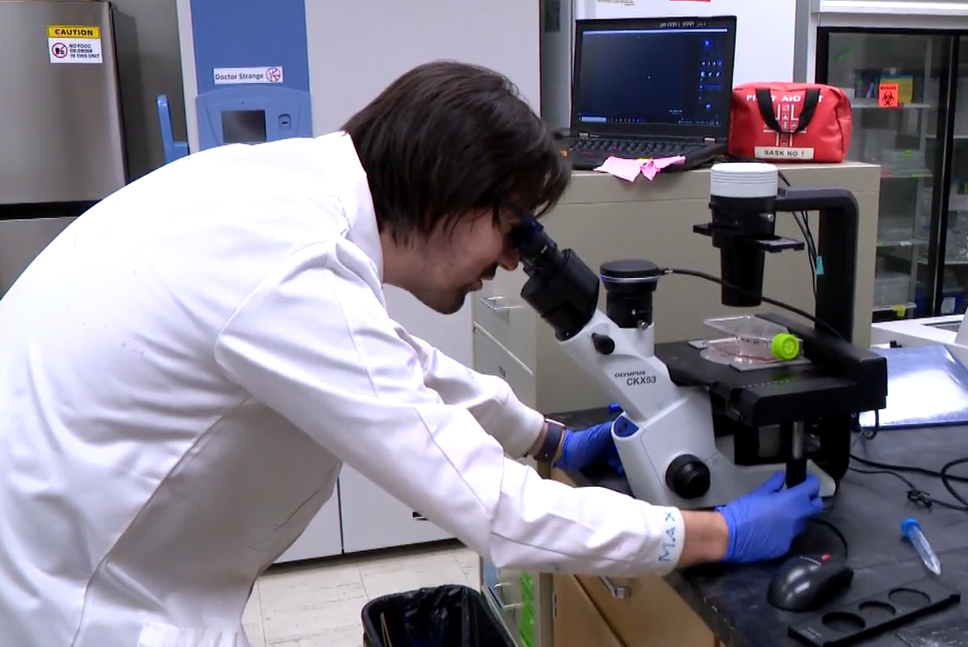
Fast forward to the present day, and the scientific landscape looks completely different. Mental health systems are buckling under a global depression crisis, and traditional pharmaceuticals simply aren't working for everyone. Researchers are finally being granted the licenses and funding needed to revisit what was left behind in 1970.
Contemporary clinical trials are applying rigorous double-blind standards that early research often lacked. Scientists are measuring brain activity using functional MRIs, tracking neural plasticity, and mapping how a single controlled dose can alter rigid thought patterns associated with major depressive disorder and generalized anxiety.
The mechanism is fascinating. The molecule binds strongly to serotonin receptors in the brain, essentially encouraging neurons to form new connections. People struggling with treatment-resistant conditions report feeling unstuck, as if their brains got a much-needed software reboot.
What Comes Next for Psychedelic Medicine
Getting these treatments out of clinical trials and into standard pharmacies won't happen tomorrow. Regulatory hurdles remain massive. Researchers must navigate strict safety protocols, standardized dosing guidelines, and specialized training programs for therapists who guide patients through these intense sessions.
Yet the momentum is undeniable. We are watching a historical correction unfold in real time. A substance once buried by moral panic is being evaluated through the cold, clear lens of empirical science. The medical community is finally admitting that throwing away a potentially life-changing tool because of political discomfort was a mistake.
Stop pretending history doesn't repeat itself. The shift from underground taboo to mainstream clinical practice is already happening, and it's rewriting the future of psychiatric care.
LSD - from counterculture to clinical trials | AJ #shorts
This video provides a concise overview of how LSD transitioned from early psychiatric research and the counterculture movement back into modern clinical trials.