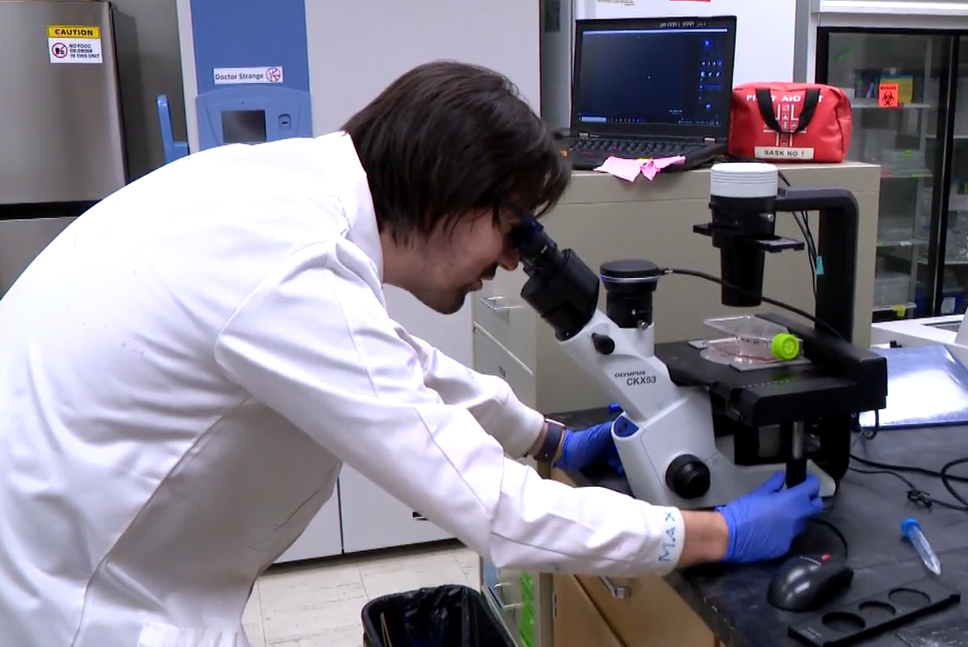
Rare childhood illnesses often hide in the blind spots of modern medicine. When you look at the numbers, over one million Canadian children grapple with rare conditions, and two-thirds of those affected are kids who may never see their tenth birthday. Dr. Tyler Wenzel, a neuroscientist and assistant professor at the University of Saskatchewan, decided those odds are unacceptable. His pioneering work in pediatric stem cell research recently earned him prestigious national recognition from the Stem Cell Network, shining a light on a field that historically receives only a fraction of public health funding.
Before transitioning into neuroscience, Wenzel spent time working as a schoolteacher. That background shapes his perspective today. He sees real children behind the clinical data sets. Most people don't realize how desperately underfunded pediatric neurological research remains compared to adult medicine. When a child faces a fatal genetic brain disease, standard treatment options are practically nonexistent. Wenzel's lab aims to change that reality by tackling the root causes of these devastating conditions before they destroy young lives.
So, how do you study complex pediatric brain diseases without putting young patients at risk? Wenzel solves this challenge by building miniature human brains in a petri dish. Using advanced stem cell manipulation techniques, his team grows tiny three-dimensional tissue models known as brain organoids. These models replicate the complex structure and function of actual human brain tissue. Because these organoids behave like real neural networks, researchers can test experimental therapies safely on human cells instead of relying solely on traditional animal models that often fail to translate to human treatments.
Building these cellular models takes immense precision. Stem cells must be coaxed through exact developmental stages using precise chemical cues. It's tedious work that requires patience and rigorous trial and error. If a single variable drifts off course, the entire batch of organoids fails to mature properly. Yet, when successful, these mini-brains give scientists a living window into pediatric neurodegeneration. They let researchers watch genetic disorders unfold in real time and observe how specific drug candidates interact with diseased neurons.
Recognition from the Stem Cell Network validates years of quiet, persistent lab work in Saskatchewan. It also sends a clear signal to young scientists across Canada. You don't need to be tucked away in a massive biomedical hub on the East Coast or in central Ontario to make a global impact. World-class biotechnology research happens right here in the prairies. Wenzel hopes this national spotlight helps attract more young talent and funding to pediatric health initiatives, ensuring that children battling rare diseases finally get the medical breakthroughs they deserve.
Take time to look beyond the headlines of major medical journals and support local health foundations funding early-stage research. Real progress in pediatric medicine depends on backing innovative scientists who refuse to leave vulnerable children behind.