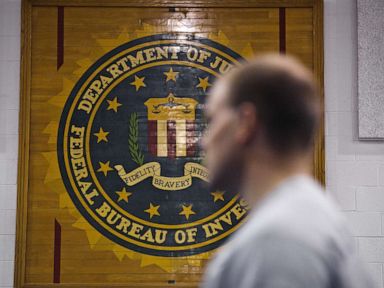
When a cybercriminal group claims to have walked away with over two terabytes of internal agency data, most people expect the usual fallout: leaked email addresses, hashed passwords, and a rushed corporate advisory telling everyone to change their login credentials by Friday. But the recent breach involving the Federal Bureau of Investigation hits a much darker nerve. This time, the stolen files allegedly include deeply personal medical evaluations, mental health notes, and fitness-for-duty records belonging to thousands of federal agents and applicants.
It is not just an IT headache. It is an acute counterintelligence disaster that exposes how fragile federal personnel databases really are.
What Actually Got Stolen From the Bureau
The notorious hacking group known as ShinyHunters claimed responsibility for targeting infrastructure connected to FBIjobs.gov and related internal systems like FBI MedLink. While the FBI has stated that the exact entry point and final scope are still under active investigation, journalistic outlets and independent researchers have reviewed samples of the leaked data and found alarming details.
The exposed records go far beyond basic contact info or badge numbers. Documents reviewed by organizations like Reuters and the BBC reveal:
- Detailed fitness-for-duty physical examinations, including blood and urine test results.
- Mental health evaluations and psychiatric histories dating back decades, including notes on adolescent mental health or minor historical treatments.
- Specific medical disclosures, such as prescription drug usage, chronic allergies, electrocardiogram results, and personal health conditions.
- Information tying individual special agents and analysts directly to sensitive counterintelligence assignments involving foreign intelligence services and international cartels.
When you combine a law enforcement officer's real name, home address, spouse details, and detailed medical files into a single downloadable archive, you hand bad actors a goldmine for blackmail, social engineering, and targeted harassment.
The Counterintelligence Nightmare
Security veterans immediately point out the glaring parallel to the catastrophic 2015 Office of Personnel Management hack, which compromised security-clearance records for millions of federal workers. But this incident adds a biological and psychological layer that standard clearance files often miss.
Foreign intelligence agencies or hostile nation-states love leverage. If a hostile intelligence service gets its hands on psychiatric evaluations or private medical conditions of an operative working on high-profile national security cases, they possess custom-made tools for coercion.
A historical note about depression, a secret medical condition, or a family member's health struggle can become a pressure point. You can't patch a mental health history or reset a leaked blood test result. Once that data leaves the secure perimeter, the vulnerability remains permanent.
Why ShinyHunters Skipped the Usual Ransom Demand
What makes this particular cyberattack bizarre is the hackers' motive. Usually, groups like ShinyHunters operate on a pure "pay or leak" extortion model, demanding millions in cryptocurrency to keep stolen corporate assets offline.
This time, the hackers didn't ask for money.
Instead, reports indicate the attack served as retaliation for a public safety advisory issued by the FBI that criticized the group's tactics and labeled them ordinary threat actors. Annoyed by the government's public characterization, the hackers decided to break into federal infrastructure to prove a point, demanding that the bureau retract its statements.
That shift from financial greed to bruised cybercriminal ego highlights a dangerous new reality. Hackers are now willing to execute high-stakes geopolitical intrusions simply to settle a reputation score.
The Fallout for Federal Employees
For the thousands of current agents, retired personnel, and job applicants whose files were swept up in this database exposure, the immediate future is fraught with anxiety.
Identity theft is a given when Social Security numbers and home addresses leak. However, the secondary risks—such as swatting, physical intimidation, and targeted harassment directed at agents and their families—pose an even greater danger. Law enforcement officers already face inherent occupational hazards. Knowing that hostile actors might possess a detailed map of their personal vulnerabilities, medical history, and family ties turns their own private lives into a persistent liability.
Securing digital perimeters requires more than patching third-party enterprise applications or updating cloud storage configurations. Until federal agencies lock down employee intake portals with the same rigor applied to classified operational networks, human data will remain the weakest link in national security.