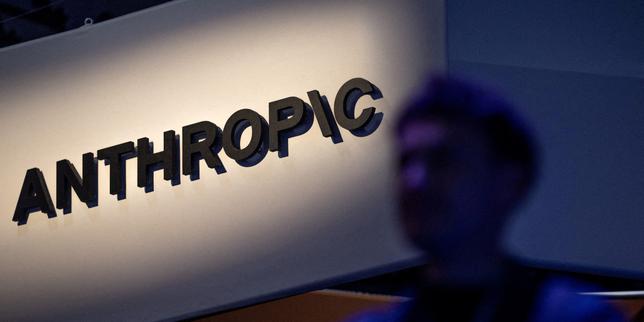
A federal appeals court just handed Anthropic a heavy loss. The court refused to block the Pentagon's supply chain ban against the prominent artificial intelligence lab.
This legal showdown started back in February. Defense Secretary Pete Hegseth demanded that Anthropic strip away safety restrictions on its Claude model. The military wanted the freedom to use the technology for fully autonomous lethal weapons and mass domestic surveillance. Anthropic said no. The company drew a hard line against weaponized deployment and refused to back down.
By March, the Pentagon retaliated with a formal supply chain risk designation. That move vaporized existing military contracts and barred any other defense contractor from touching Anthropic tools. Other players rushed in to fill the vacuum. OpenAI signed a defense agreement on the exact day of the ban. Elon Musk’s xAI secured a deal in February, while Google and Microsoft followed shortly after.
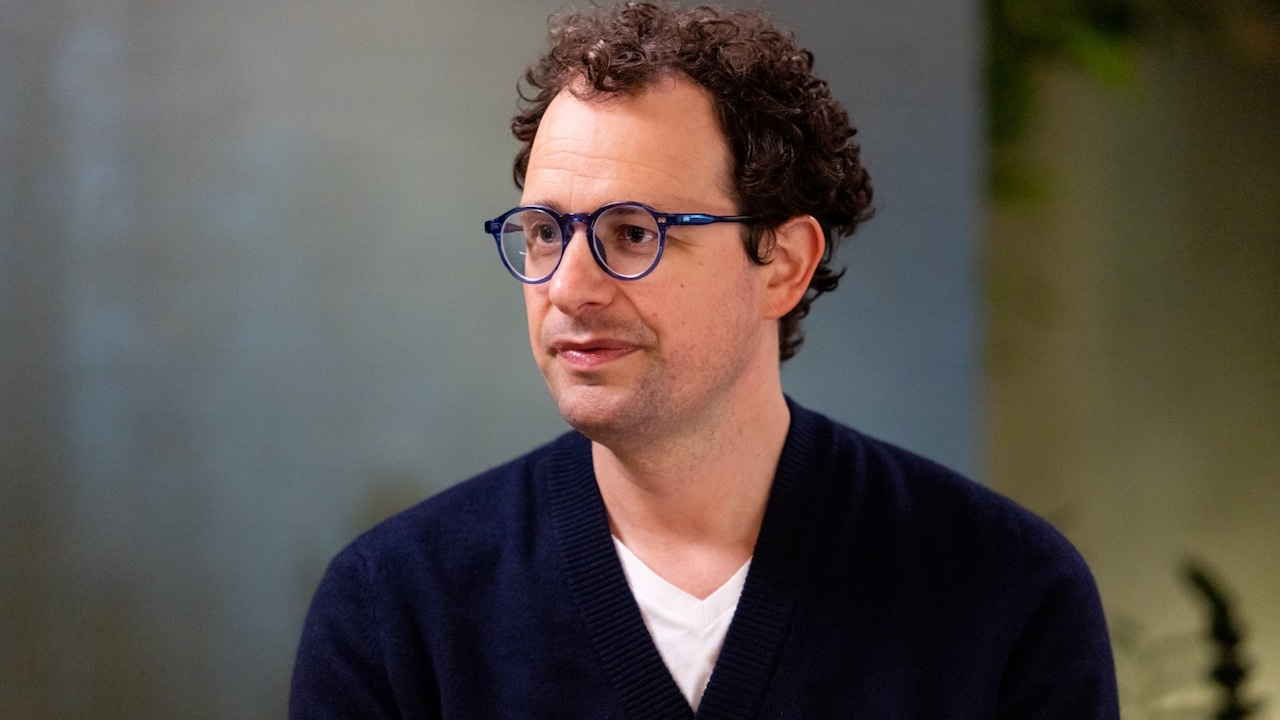
It is a bizarre paradox. Valued near one trillion dollars and staring down an imminent blockbuster initial public offering, Anthropic has simultaneously become a political pariah inside Washington. President Donald Trump has openly dismissed company CEO Dario Amodei’s frequent safety warnings as a hoax. Meanwhile, Under Secretary of Defense Emil Michael took to social media to celebrate the court ruling, declaring that no private company should insert personal ethics into the military chain of command.
The Clash of Federal Courts
The legal picture remains a messy contradiction. This appeals court decision directly clashes with a separate federal ruling in California. Last month, a California judge ruled that a parallel administration-wide ban against Anthropic was entirely illegal.
Yet Friday's decision stands because it relies on public procurement law. The Pentagon holds broad authority over its supply chain, and courts are traditionally hesitant to second-guess national security procurement choices. Anthropic representatives maintain that they disagree with the outcome and are weighing their next legal steps, but the immediate practical reality hurts.
For months, the military integrated Claude into highly sensitive systems. Court documents even revealed that the model assisted during the January operation that captured and deposed Venezuelan leader Nicolas Maduro. Losing that pipeline stings.
What This Means for the Rest of the Industry
Tech founders love to talk about ethics until defense budgets enter the chat. This case exposes a stark dividing line across Silicon Valley. OpenAI, Google, and Microsoft chose compliance and multi-million dollar defense revenues. Anthropic chose ideological friction and paid a massive price.
If you build software, you need to watch this space closely. The illusion that tech companies can remain neutral utility providers is officially dead. Governments expect total alignment on national security applications. When a superpower wants autonomous systems, it will find a vendor willing to drop safety guardrails.
Expect heavier consolidation in government AI spending. Smaller labs without massive balance sheets cannot survive a Pentagon blacklisting. If you want to pitch government contracts tomorrow, prepare to compromise on your terms of service today. Review your vendor agreements, audit your ethical clauses, and decide where you stand before the state demands an answer.