Let's talk about the trades. For years, we've heard the same warning over and over: a massive labor shortage is coming, and nobody is building the training facilities needed to fix it.
Edmonton is trying to change that narrative.
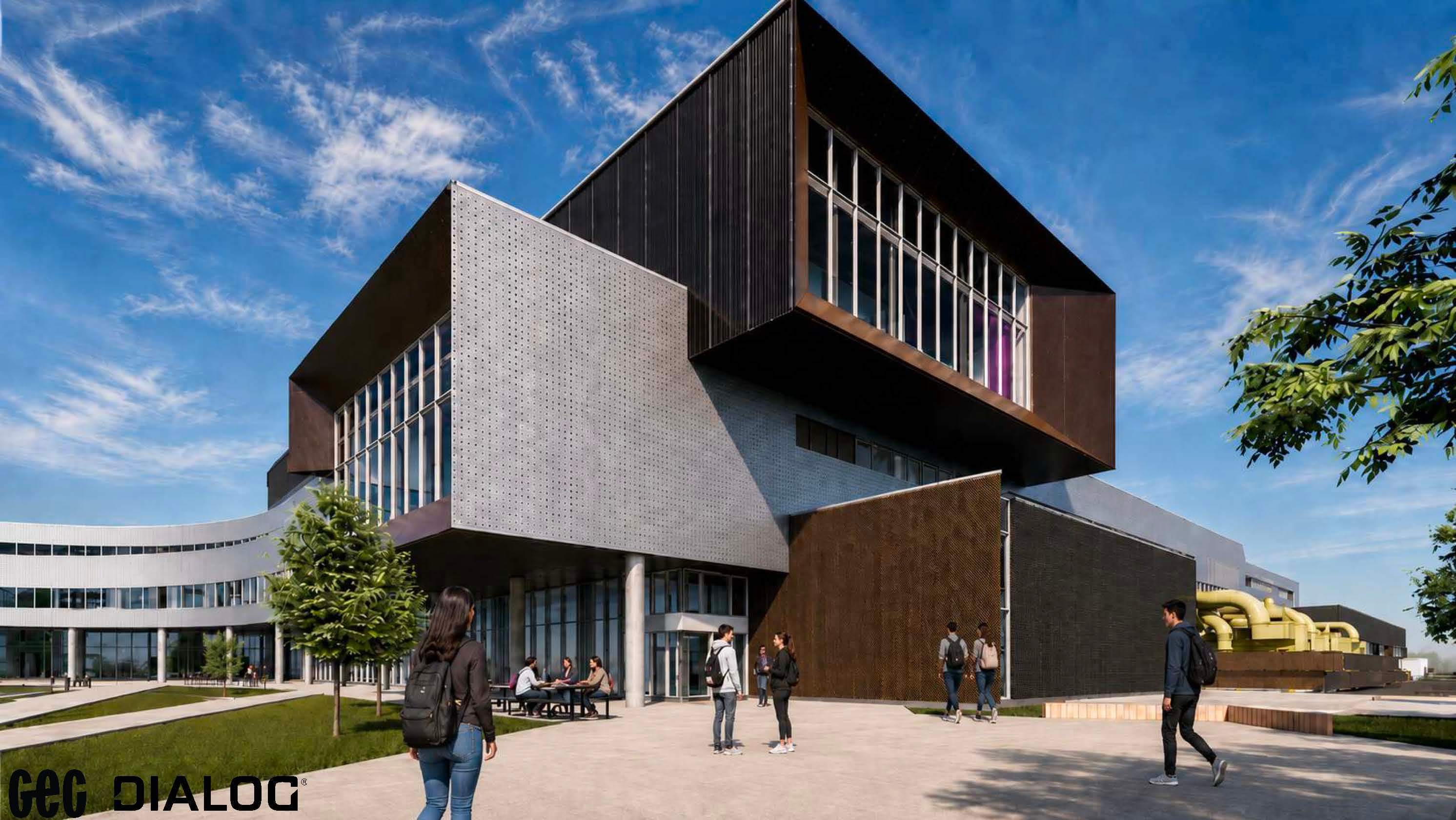
The Northern Alberta Institute of Technology just broke ground on the largest capital project in its history. It's called the Advanced Skills Centre (ASC), and it carries a staggering $779-million price tag. This massive 625,000-square-foot facility sits on the site of the former Westwood Transit Garage on the main campus north end.
Why should you care? Because this single infrastructure investment is designed to add 5,500 new student spaces every single year. It pushes NAIT’s total capacity past 15,000 annual students once doors open in the fall of 2030.
The Real Problem With Traditional Trades Training
If you look at how trades education used to work, it was heavily siloed. Electrical students stayed in their corner, carpenters stayed in theirs, and heavy-duty mechanics rarely crossed paths until they hit a chaotic job site.
That doesn't mirror reality.
Modern construction sites, energy operations, and manufacturing plants require constant cross-discipline coordination. If you don't know how to communicate with other trades professionals before you graduate, you're going to struggle on day one.
The ASC fixes this structural mismatch. The facility brings 29 distinct programs together under one massive roof—covering construction, transportation, manufacturing, and energy. Instead of isolated workshops, students will train in shared, flexible environments that mimic actual commercial job sites.
Where the Money and Momentum Come From
Projects of this scale don't happen by accident. They require heavy financial backing.
The Alberta government stepped up with a $384-million commitment split over three years, which counts as the largest single investment in trades training infrastructure in the province's history. That cash injection moved construction forward about a year ahead of initial schedules. The rest of the funding comes directly from NAIT's internal resources, industry partners, and donor support.
PCL Construction is handling the build, while Dialog and GEC Architecture designed the layout.
What This Means for Alberta's Workforce
Let's look at the numbers driving this rush. Industry groups estimate that hundreds of thousands of trades workers across Canada are eyeing retirement over the next few years. Meanwhile, the province's population is booming.
When you combine a retiring workforce with rapid economic growth, you get a massive talent gap. Employers don't just need warm bodies holding hammers; they need trained, adaptable problem-solvers who understand modern tech and green energy integration.
By scaling up capacity by 5,500 students annually across 29 programs, NAIT is positioning itself to feed a steady stream of certified talent directly into the economy.
If you're thinking about entering the trades or trying to figure out where to invest in workforce development, keep your eyes on Edmonton. The foundation is literally being poured right now.
Take a close look at your training pipelines. If you're an employer, start building direct institutional ties with polytechnics now before competition for these new graduates turns into a bidding war. If you're a prospective student, look into how cross-disciplinary programs can give you an edge.