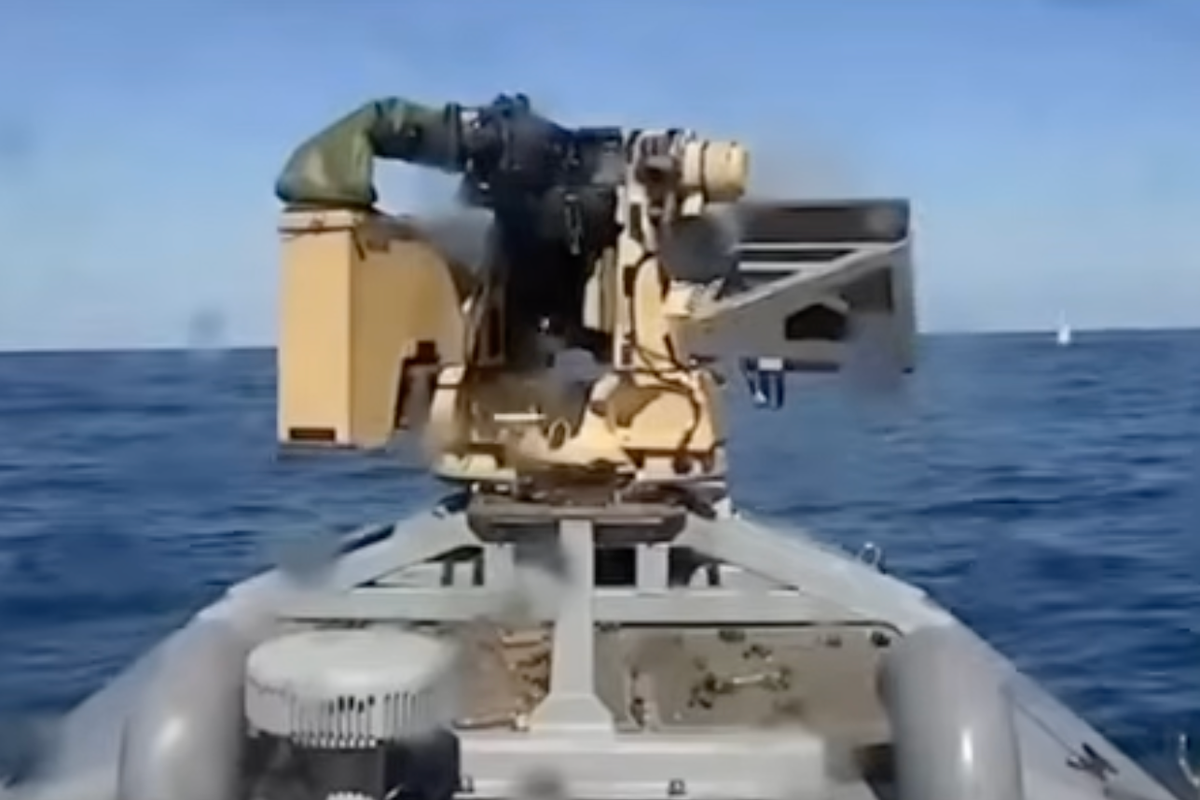
Warfare on the water changed forever when uncrewed surface vessels started hunting each other in the open sea. For years, the story of maritime conflict in this region was about massive warships launching missiles from a distance. Now, small, explosive-laden remote boats are rewriting naval doctrine in real-time.
When the first recorded clashes between opposing sea drones occurred in the Black Sea, military analysts realized traditional fleets were suddenly vulnerable. You don't need a billion-dollar destroyer to challenge naval supremacy anymore. You just need cheap fiber-optics, satellite links, and enough high explosives to punch through steel plating.
The human cost of these technological leaps keeps climbing. Recent aerial and missile strikes across Ukrainian regions have left at least a dozen civilians dead, turning residential neighborhoods into frontline zones. Dayana Yastremska, a professional tennis star, shared the raw reality of these strikes after a cruise missile leveled her family's apartment building in Odesa. Only a single tennis tournament towel survived the blast. That kind of destruction is happening daily, far away from the tactical drone dogfights happening offshore.
Why Naval Drones Matter Right Now
Controlling the sea used to require heavy armor and massive crews. Ukraine proved that nimble, low-profile drones could neutralize traditional warships by exploiting blind spots and sheer numbers. Russia has since adapted, deploying its own counter-measures and uncrewed systems to protect remaining assets.
This shift creates a dangerous new baseline for global security. Grain exports, commercial shipping lanes, and energy pipelines running through the Black Sea are permanently at risk. If automated maritime warfare becomes the norm, insurance rates for cargo ships will skyrocket, and food supplies across Europe and Africa will face severe bottlenecks.
The Technological Arms Race
Military technology scales downward. Large defense contractors are panicking because agile tech startups can build lethal maritime drones for a fraction of traditional costs. These systems rely on commercial off-the-shelf components, making them easy to manufacture, modify, and deploy in large swarms.
Traditional navies aren't built for this kind of asymmetric threat. Big destroyers are sitting ducks if they can't detect low-profile carbon-fiber hulls skimming across choppy waves at high speeds. Expect every major military power to completely rethink how they patrol coastal waters over the next decade.
Keep a close eye on Black Sea developments. What happens here dictates how wars are fought everywhere else tomorrow. Stop looking at traditional fleet sizes. The future belongs to whoever builds better software and faster remote-controlled hulls.