You can see the crisis coming, but you can't get out of the way. That is how Cave Creek Mayor Robert Morris describes living on the edge of a dry desert. His small community near Phoenix survives on a knife-edge, pulling nearly all its municipal supply from a dying Colorado River.
When federal officials step in with mandatory restrictions, nobody wins. The U.S. Bureau of Reclamation's sweeping plan to force massive water reductions across the American Southwest leaves cities scrambling and farmers questioning if their livelihoods have any future left. Forty million people rely on this single hydrological lifeline. Right now, that lifeline is fraying.
The Brutal Math Behind the Emergency Reductions
Under the updated federal framework, Arizona, California, and Nevada must slash their water consumption by 1.25 million acre-feet annually over the next two years. That volume translates to roughly 1.54 billion cubic meters. It equals enough liquid to fill more than 600,000 Olympic-sized swimming pools.
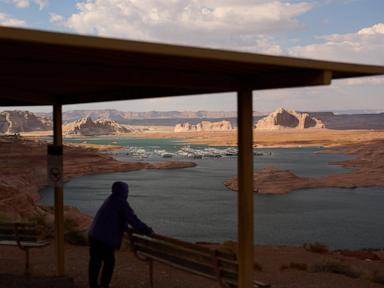
Yet experts argue these forced cuts only cover about half of what the system actually needs to survive. Lake Mead and Lake Powell, the twin bellwethers of the entire Colorado River basin, hit record lows this past month. Decades of chronic overuse combined with brutal snow droughts mean the mountain snowpacks simply cannot recharge the system fast enough.
States higher up the basin—Colorado, Utah, Wyoming, and New Mexico—dodge mandatory cuts for now. Even so, voluntary reductions remain on the table. Meanwhile, Nevada took aggressive legal action by suing the Interior Department. Las Vegas officials argue that absorbing cuts reaching up to seventy percent over the next decade threatens basic human needs in the region.
What This Means for Everyday Life in the Desert
Cities can no longer pretend conservation means turning off the faucet while brushing teeth. Phoenix faces the grim reality of losing municipal and industrial surface water allocations for the first time. Municipal leaders are dusting off old backup wells and rushing to secure alternative supplies, but these measures buy limited time.
Residents should expect escalating water utility bills. When municipal infrastructure has to pivot toward expensive groundwater banking or advanced purification tech, the consumer pays the price.
Agriculture takes the heaviest blow. Farming accounts for roughly seventy to seventy-five percent of all water consumption in the Colorado River basin.
Take Stephanie Boelts and other local producers in Arizona. Even farmers possessing high-priority senior water rights find themselves paralyzed. Planting permanent crops like citrus or date orchards requires years of heavy investment before yielding a single commercial harvest. When federal policies shift every two years, nobody wants to gamble on planting new acreage.
Along the river's main stem, tribal nations like the Colorado River Indian Tribes hold massive ancient water allocations. Farmers like Ray Martinez struggle to finish growing seasons because aging irrigation networks keep vast quantities of that water physically out of reach. Many growers leave fields intentionally barren year after year just to prop up receding lake levels.
The Hard Realities We Must Face Now
You cannot solve a structural deficit by ripping out suburban lawns or telling residents to take shorter showers. The numbers simply do not add up.
Permanent solutions require hard choices about agricultural footprint distribution. Not every acre of desert farmland can stay in production while reservoirs evaporate into dust. Federal leadership must shift from temporary band-aids to permanent acreage retirement programs.
If you live, farm, or run a business in the Southwest, the writing is on the wall. Relying on historical water allocations is a losing gamble. Diversify your supply, audit your consumption, and prepare for a drier reality.