The walls are officially closing in on Andrew Mountbatten-Windsor. Police Scotland just confirmed they're actively looking into the former prince's historical ties to convicted sex offender Jeffrey Epstein and Ghislaine Maxwell, specifically regarding visits to the royal family's private Balmoral estate.
If you thought the royal family could quietly sweep this chapter under the rug, think again. This isn't just another round of stale tabloid gossip. It's a formal, evidence-led police probe looking directly at whether young women were trafficked to sovereign property.
What We Know About the Balmoral Investigation
Police Scotland didn't drop details out of nowhere. The inquiry kicked off following fresh information handed to investigators regarding a 1999 visit. Back then, Epstein and Maxwell were hosted at Balmoral Castle in the Scottish Highlands by Andrew.
Let that sink in. The private sanctuary of the British monarch became a backdrop for men and women associated with a global sex trafficking ring.
Police officials kept their public statement tight. They noted that inquiries remain at a very early stage and that victim survivors sit firmly at the heart of the process. But make no mistake—law enforcement agencies don't launch formal probes into royal estates unless they have credible smoke and a very good reason to look for fire.
The Mounting Pressure on the Monarchy
This new Scottish investigation compounds a brutal year for the House of Windsor. Back in February, Mountbatten-Windsor faced arrest by British police on suspicion of misconduct in public office, marking a stunning moment not seen in modern British history. Department of Justice document drops and photographic evidence released earlier this year have systematically dismantled any plausible deniability left to the disgraced royal.
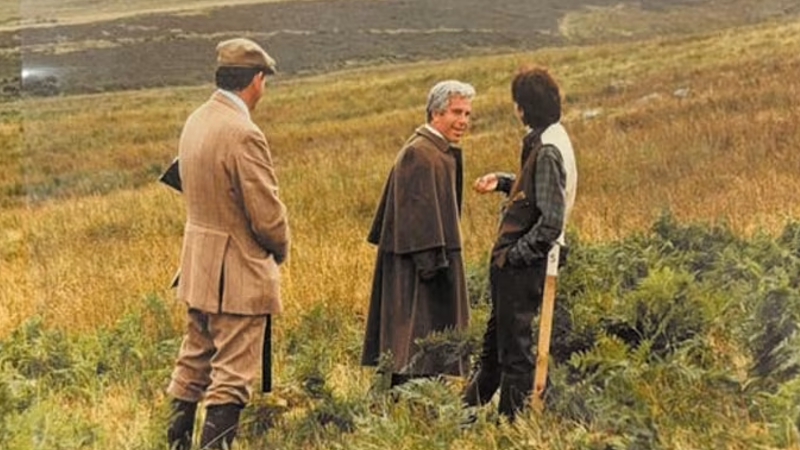
Images showing Epstein on shooting trips at Balmoral used to be dismissed as embarrassing snapshots with a bad actor. Now, prosecutors and investigators are treating them as geographical waypoints in a broader pattern of alleged human trafficking.
People often ask how deep institutional protection went during those years. When you invite high-profile criminals onto sovereign estates, you aren't just making a bad personal choice. You are leveraging the implicit security and prestige of the crown to insulate shady behavior from ordinary scrutiny.
Where This Investigation Goes Next
Police Scotland faces a massive uphill battle. Historical crimes, especially those tangled in international networks and elite protectionism, notoriously resist easy prosecution. Memories fade. Documents get shredded or lost. Jurisdictions clash.
Yet, public appetite for accountability has shifted permanently. Survivors aren't backing down, and independent law enforcement bodies are showing far less deference to royal titles than they did twenty years ago.
Keep your eyes on how Buckingham Palace responds to this northern front. As the investigation deepens, the pressure on the inner circle to distance themselves entirely from Andrew will only intensify. This story is far from finished, and the fallout for the British establishment is just beginning.