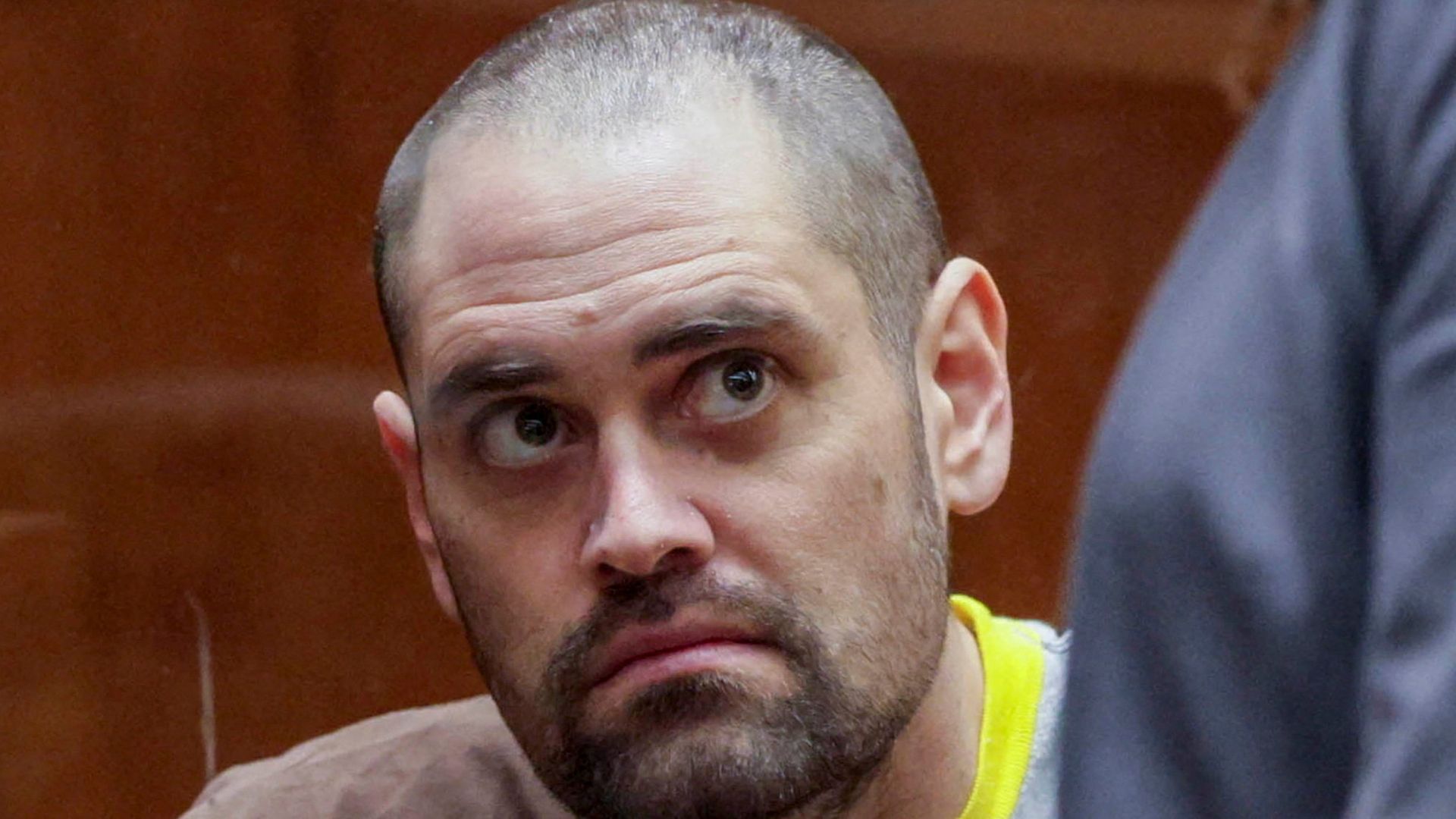
Los Angeles County prosecutors have officially taken capital punishment off the table for Nick Reiner, the 33-year-old accused of killing his parents, acclaimed filmmaker Rob Reiner and photographer Michele Singer Reiner. District Attorney Nathan Hochman announced the decision ahead of a pre-trial hearing, confirming that if Reiner is convicted, the maximum sentence he will face is life in prison without the possibility of parole.
The case shocked Hollywood and the public alike when the bodies of Rob Reiner, 78, and Michele Singer Reiner, 70, were found with multiple sharp-force injuries inside their Brentwood home last December. Nick Reiner was arrested shortly afterward and later indicted by a grand jury on two counts of first-degree murder, alongside special allegations including lying in wait and using a dangerous weapon. These elements initially made the case capital-eligible, but prosecutors ultimately chose a different path.
Why Prosecutors Dropped Capital Punishment
The choice to forgo the death penalty didn't happen in a vacuum. Hochman explained that his office carefully reviewed the circumstances and consulted closely with the surviving members of the Reiner family, specifically noting that Nick's siblings, Jake and Romy, made their views clear. Their perspective weighed heavily on the final determination.
Another major factor centers on California's existing legal landscape regarding capital punishment. The state hasn't carried out an execution in over two decades, and a formal moratorium implemented by Governor Gavin Newsom in 2019 keeps the execution chamber inactive. Pushing for a death sentence in a state with an active moratorium often leads to decades of costly appeals with little practical outcome.
Furthermore, the defense has pointed heavily toward severe mental health struggles. Public defender Kimberly Greene noted that Nick has a long history of battling mental illness and self-medication issues. In high-profile trials involving severe psychological backgrounds, navigating these nuances often shifts the focus of litigation away from capital punishment toward lifelong institutional care or maximum security incarceration.
The Legal Battles Ahead
Even without the threat of execution, the stakes remain absolute. Nick Reiner has pleaded not guilty to both counts of first-degree murder. His legal representation has experienced turbulence; high-profile defense attorney Alan Jackson initially represented him and declared his client innocent before withdrawing from the case due to circumstances outside his control. A public defender stepped in, though disputes have emerged over trust funds and whether Reiner can access money to rehire private counsel.
Meanwhile, a separate battle is brewing over transparency. Media organizations have pushed to release transcripts and exhibits from the secret grand jury proceedings that led to the indictment. While prosecutors stated they would not actively oppose the release, Nick's siblings have fought strongly against it, arguing that publicizing those details would intensify their trauma. Judge Sam Ohta scheduled further arguments to settle the matter.
A trial is unlikely to begin before 2027. The removal of the death penalty narrows the legal penalties down to a stark reality, but the courtroom battle to determine accountability is only just beginning. Keep an eye on upcoming pre-trial motions as the judiciary decides what evidence and records will see the light of day.