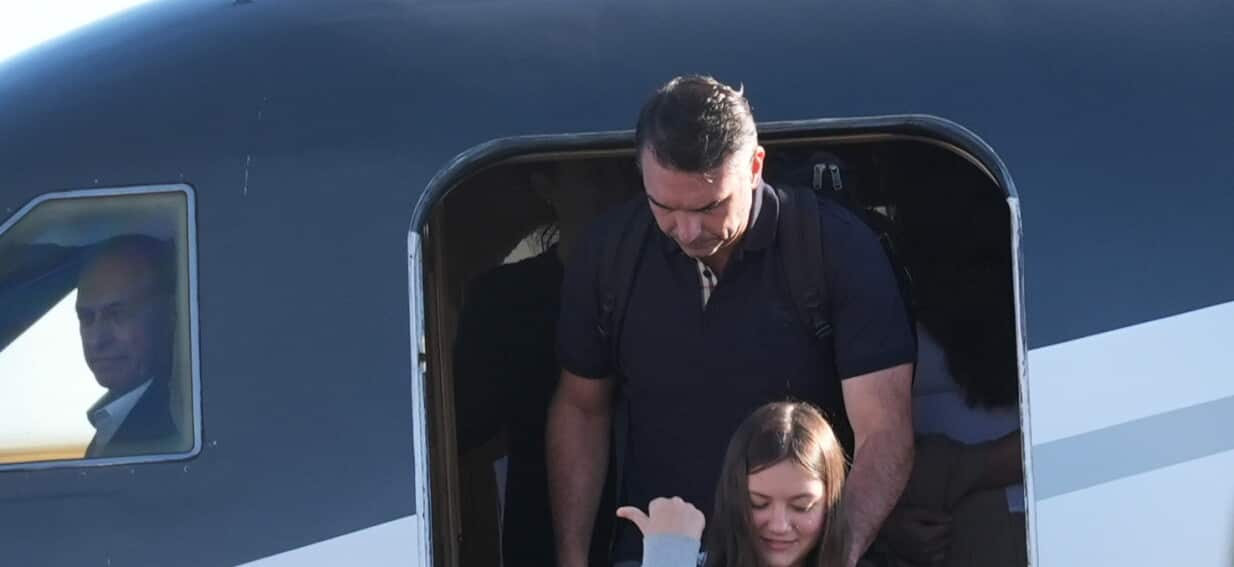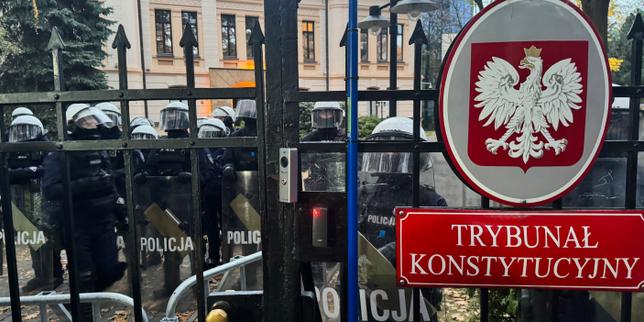
When Polish President Karol Nawrocki abruptly ordered his presidential aircraft to execute a mid-air U-turn over Spain while en route to Senegal, he sent an unmistakable signal to Warsaw. The state apparatus was fracturing in real time. Police deployments outside the Constitutional Tribunal, warring factions of magistrates, and frantic emergency meetings scheduled with political party leaders point to a deep institutional rupture.
If you are trying to understand why Polish politics just crossed into uncharted territory following the sudden suspension of Tribunal President Bogdan Święczkowski, you need to look past the dramatic headlines. This isn't just routine partisan bickering. It is a high-stakes collision over who actually controls the legal foundations of the state.
Inside the Midnight Clash at the Constitutional Tribunal
The boiling point arrived when a faction of judges, spearheaded by magistrate Anna Korwin-Piotrowska, moved to suspend Bogdan Święczkowski and his deputy Bartłomiej Sochański. Święczkowski, a figure deeply aligned with the legacy of the previous Law and Justice (PiS) administration, immediately saw his camp cry foul. They slammed the move as an illegal takeover.
Outside the headquarters in Warsaw, police officers materialized, securing the perimeter as crowds and protesters gathered. Prime Minister Donald Tusk defended the intervention without hesitation. From the government's perspective, dismantling the legal legacy of the PiS era is an absolute necessity to restore the rule of law. From the opposition's perspective—voiced loudly by leaders like Jarosław Kaczyński—these actions amount to an outright assault on constitutional order and a blatant political coup.
Why President Nawrocki Had to Rush Home
President Nawrocki found himself caught thousands of miles away when the crisis peaked. Realizing that symbolic foreign trips could wait while domestic stability unraveled, he posted on social media that a president must be present when the nation faces internal turmoil.
His immediate agenda involves convening meetings with political party leaders. These aren't casual consultations. Nawrocki is stepping into a minefield where every faction expects him to take a definitive side. If he sides too closely with the government's aggressive judicial overhaul, he alienates his conservative political base. If he blocks the government, he risks plunging the executive and legislative branches into permanent paralysis.
The Real Cost of Judicial Paralysis
For everyday citizens in Poland, this institutional warfare carries practical consequences. When the highest court in the land is split into rival camps issuing contradictory orders, nobody knows which rulings hold legal weight. Laws governing everything from civil rights to major economic reforms hang in limbo.
The core of the dispute rests on a bitter truth about modern governance: constitutions are only as strong as the willingness of opposing political actors to respect them. When elections bring sweeping shifts in power, incoming coalitions often discover that previous administrations packed vital judicial institutions with loyalists. The temptation to purge or bypass those institutions through creative legal maneuvers is high, but doing so frequently triggers the exact crisis Warsaw is witnessing right now.
Expect the upcoming consultations between the presidency and political parties to set the tone for the months ahead. Keep a close eye on whether compromise is even possible in a political landscape where both sides view the other's legal claims as entirely illegitimate.